





When the temperature rises, choosing the right fabrics can make all the difference. Not all materials are created equal—some trap heat, while others let your skin breathe. Whether you’re a busy parent running errands, a student biking to class, or a professional commuting to work, staying cool and stylish is essential. Let’s dive into the best fabrics for hot weather that keep you comfortable without sacrificing your look.
- Why Fabric Choice Matters in Summer
- Top Fabrics to Beat the Heat
- 1. Linen: The Classic Summer Fabric
- 2. Cotton: Lightweight and Versatile
- 3. Bamboo: Eco-Friendly and Comfortable
- 4. Chambray: Denim’s Lighter Cousin
- 5. Seersucker: Cool and Crisp
- Fabrics to Avoid in Hot Weather
- How to Style Summer Fabrics
- Comparing Summer Fabrics
- Real-World Style Inspiration
- Frequently Asked Questions
Why Fabric Choice Matters in Summer

Ever worn a polyester shirt on a humid day? You probably felt sticky and uncomfortable within minutes. That’s because synthetic materials like polyester don’t allow airflow, trapping sweat against your skin. On the other hand, natural fibers like cotton and linen are lightweight and breathable, making them ideal for summer. Choosing the right fabric isn’t just about comfort—it’s about looking good while feeling good too.
“The right fabric can turn a sweaty day into a breeze. Always prioritize breathability and moisture-wicking properties for summer wear.”
Top Fabrics to Beat the Heat

1. Linen: The Classic Summer Fabric
Linen is a go-to fabric for hot weather. Made from flax fibers, it’s lightweight, breathable, and naturally moisture-wicking. Linen’s loose weave allows air to circulate, keeping you cool even on the hottest days. Plus, it has a timeless, relaxed look that works for casual outings or more formal settings. For example, a linen blazer paired with tailored shorts is perfect for a small business owner meeting clients outdoors.
2. Cotton: Lightweight and Versatile
Cotton is another summer staple. It’s soft, absorbent, and easy to care for, making it a favorite for everything from T-shirts to dresses. Opt for lightweight cotton fabrics like muslin or poplin for maximum breathability. A student might choose a cotton tank top and shorts for a day on campus, while a busy parent could wear a cotton sundress for a day out with the kids.
3. Bamboo: Eco-Friendly and Comfortable
Bamboo fabric is gaining popularity for its sustainability and comfort. It’s soft, moisture-wicking, and naturally antibacterial, making it a great choice for active individuals. Bamboo fabric is also thermoregulating, meaning it adjusts to your body temperature. A yoga instructor, for instance, might wear bamboo leggings and a tank top for a morning class.
4. Chambray: Denim’s Lighter Cousin
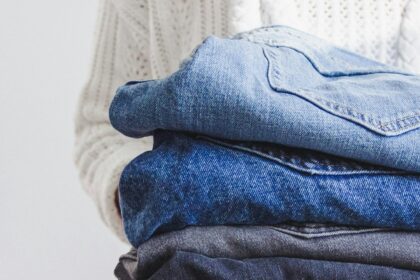
Chambray is a lightweight, woven fabric that looks like denim but feels like cotton. It’s perfect for summer because it’s breathable and versatile. A chambray shirt paired with white jeans creates a chic, effortless look for a professional heading to a casual office.
5. Seersucker: Cool and Crisp
Seersucker is a textured fabric with a puckered surface that reduces contact with your skin, allowing air to flow freely. It’s often used for summer suits and dresses, making it a stylish choice for formal events. A wedding guest might opt for a seersucker dress to stay cool during an outdoor ceremony.
Fabrics to Avoid in Hot Weather
Not all fabrics are summer-friendly. Here’s what to steer clear of when the mercury rises:
- Polyester: Synthetic and non-breathable, it traps heat and sweat.
- Nylon: Similar to polyester, it’s better suited for cooler weather.
- Velvet: Heavy and dense, it’s a winter fabric through and through.
How to Style Summer Fabrics
Choosing the right fabric is just the first step—styling it well ensures you look polished and put-together. Here are some tips:
- Layer Wisely: Use lightweight layers for versatility. A linen shirt over a cotton tank works well for cooler mornings and hot afternoons.
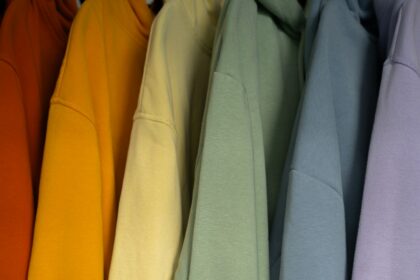
- Choose Light Colors: Light shades reflect sunlight, keeping you cooler. Think whites, pastels, and neutrals.
- Accessorize Smartly: Opt for breathable accessories like straw hats and cotton scarves.
Comparing Summer Fabrics
Here’s a quick comparison of the top fabrics for hot weather:
| Fabric | Breathability | Moisture-Wicking | Best Use |
|---|---|---|---|
| Linen | High | Yes | Casual and formal wear |
| Cotton | High | Yes | Everyday wear |
| Bamboo | High | Yes | Activewear |
| Chambray | Moderate | Yes | Casual wear |
| Seersucker | High | Yes | Formal wear |
Real-World Style Inspiration
Let’s look at how different people incorporate these fabrics into their summer wardrobe:
- Small Business Owner: A linen blazer and chambray shirt combo keeps them professional yet comfortable during outdoor client meetings.
- Student: A cotton hoodie and bamboo joggers are perfect for a breezy morning lecture followed by a busy day on campus.
- Busy Parent: A seersucker dress paired with sandals ensures they stay cool while running errands or attending a summer barbecue.
Choosing the right fabrics for hot weather doesn’t have to be complicated. With options like linen, cotton, and bamboo, you can stay cool, comfortable, and stylish all season long. Whether you’re dressing for work, play, or a special occasion, these materials will help you beat the heat without compromising your look.
Frequently Asked Questions
Linen’s loose weave and natural flax fibers allow maximum airflow, making it exceptionally breathable. It also wicks moisture away from your skin, keeping you cool even during outdoor activities like client meetings or garden parties.
Absolutely. While polyester traps heat and sweat against your skin, cotton’s natural fibers let your body breathe. Lightweight cotton varieties like muslin are especially good for everyday summer wear, from campus outfits to playground trips with kids.
Bamboo offers three key benefits: it’s sustainably sourced, naturally antibacterial (great for workouts), and adapts to body temperature. Yoga instructors and runners love it because it stays dry even during intense morning sessions.
Opt for chambray instead of traditional denim—it gives the same stylish look but with cotton-like breathability. A chambray shirt with white jeans creates a polished yet airy outfit perfect for casual offices or weekend brunches.
Seersucker’s puckered texture literally lifts the fabric off your skin, creating cooling air channels. This makes it ideal for formal summer events—think outdoor weddings where you need to look sharp without overheating.
Use breathable fabrics together, like a linen shirt over a cotton tank. This gives you flexibility for temperature changes while preventing the “sweaty layers” effect of synthetic materials.