






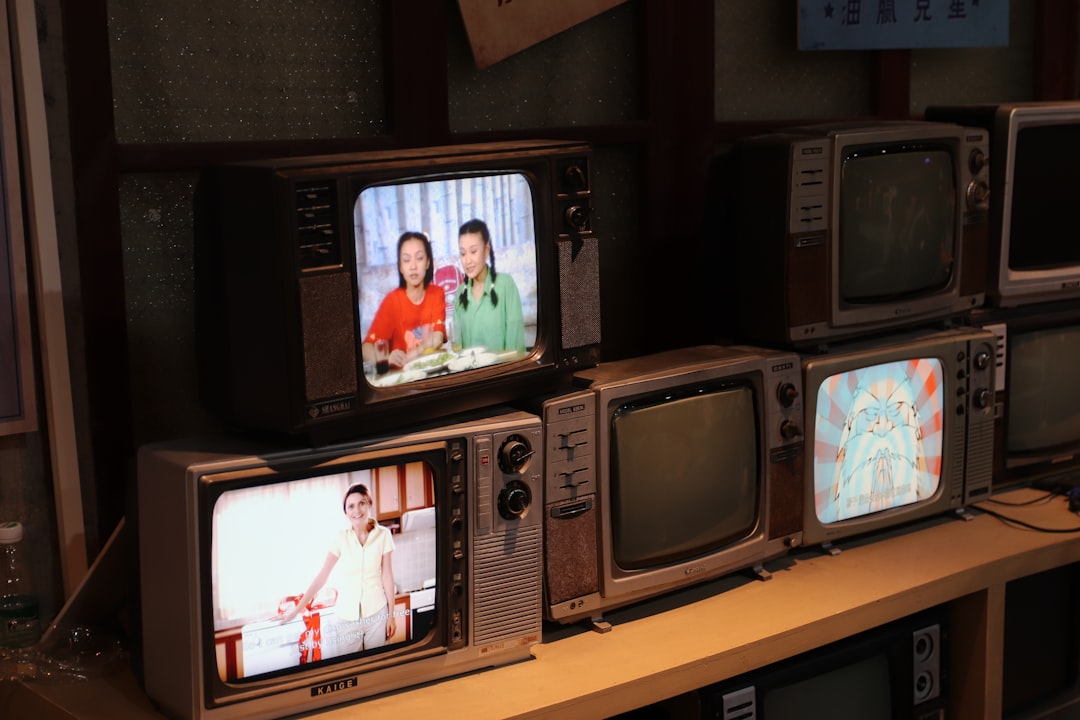
Remember the excitement when your favorite show was announced for a comeback? Maybe it was Gilmore Girls: A Year in the Life or Arrested Development Season 4. But then, after the initial buzz, something felt… off. The magic wasn’t there. The characters seemed different, the jokes didn’t land, or the storyline felt forced. Sound familiar?
TV show revivals are tricky. They ride on nostalgia, but that’s often not enough to sustain success. Let’s dive into why some revivals stumble and how you can spot the warning signs early.
The Nostalgia Trap: Why Revivals Often Miss the Mark

Nostalgia is a powerful force. It draws us back to characters and stories we love, but it can also blind us to flaws. Many revivals rely too heavily on nostalgia without delivering fresh, compelling content. Take Fuller House, for example. It brought back the Tanner family, but the humor felt outdated, and the plotlines lacked depth. Fans tuned in for the nostalgia but quickly lost interest.
“A revival isn’t just about bringing back the old cast—it’s about evolving the story in a way that feels authentic and relevant.”
Common Pitfalls of TV Show Revivals
Here are some reasons why revivals often fail:
- Missing Cast Members: When key actors don’t return, it can feel incomplete. Veronica Mars Season 4 struggled after Kristen Bell’s co-stars didn’t reprise their roles.
- Outdated Humor: Comedy shows, in particular, can feel stale if they don’t adapt to modern sensibilities.
- Forced Storylines: Trying to recreate the original magic often leads to unnatural plot twists.
- Lack of Direction: Without a clear vision, revivals can feel aimless.
How to Spot a Revival That Might Fail

Not all revivals are doomed. Some, like Doctor Who or Twin Peaks: The Return, have succeeded brilliantly. But there are warning signs to watch for:
- Too Much Hype, Too Little Substance: If the marketing focuses solely on nostalgia without hinting at new ideas, be cautious.
- Creative Team Changes: If the original writers or showrunners aren’t involved, the tone might shift in ways fans won’t like.
- Cast Issues: Missing key actors or recasting roles can disrupt the chemistry fans love.
- Unclear Purpose: If the revival doesn’t seem to have a clear reason for existing, it might lack direction.
Real-World Examples: Hits and Misses
Let’s look at a few revivals and what made them succeed or fail:
| Show | Outcome | Reason |
|---|---|---|
| Will & Grace | Mixed | Strong cast return but outdated humor |
| Roseanne | Failed | Controversial star behavior overshadowed the show |
| Twin Peaks: The Return | Success | Original creator’s vision and bold storytelling |
What Makes a Revival Work?
Successful revivals often share a few key traits:
- Fresh Perspective: They build on the original while introducing new ideas.
- Strong Creative Team: Involvement from original creators or writers ensures consistency.
- Authentic Growth: Characters evolve in ways that feel natural and relatable.
Take Cobra Kai, for instance. It brought back The Karate Kid characters but focused on a new generation, blending nostalgia with fresh storytelling. Fans of the original loved it, and new viewers were drawn in too.
Lessons for Fans and Creators
If you’re a fan, temper your expectations. Not every revival will live up to the original, and that’s okay. For creators, the lesson is clear: respect the source material, but don’t be afraid to innovate.
As for spotting a revival that might fail, trust your instincts. If the buzz feels hollow or the creative team seems disconnected, it’s worth being skeptical. But when a revival gets it right—like Doctor Who or Cobra Kai—it’s a joy to watch.
So, next time you hear about a beloved show making a comeback, keep these insights in mind. Whether it’s a hit or a miss, you’ll be better prepared to enjoy—or avoid—the ride.
Frequently Asked Questions
Many revivals rely too heavily on nostalgia without updating the story or humor. For example, Fuller House brought back the original cast but used outdated jokes and shallow plots, leaving fans underwhelmed after the initial excitement faded.
If the marketing focuses only on nostalgia—like “Remember these characters?”—without showcasing new ideas, it’s a warning sign. Successful revivals, like Cobra Kai, balance nostalgia with fresh storytelling.
Critical. Twin Peaks: The Return thrived because David Lynch returned, while shows like Veronica Mars struggled when key writers or actors didn’t come back. Consistency in vision matters.
Rarely. Veronica Mars Season 4 lost steam without its original supporting cast, proving that chemistry matters. Recasts or absences often make the show feel incomplete.
Cobra Kai succeeded by evolving the Karate Kid story for a new generation while honoring the original. It felt authentic, not just a rehash of old tropes.
No—and that’s okay. Even hits like Doctor Who changed over time. Enjoy revivals for what they are, but stay skeptical if the foundation seems shaky.