



“`html
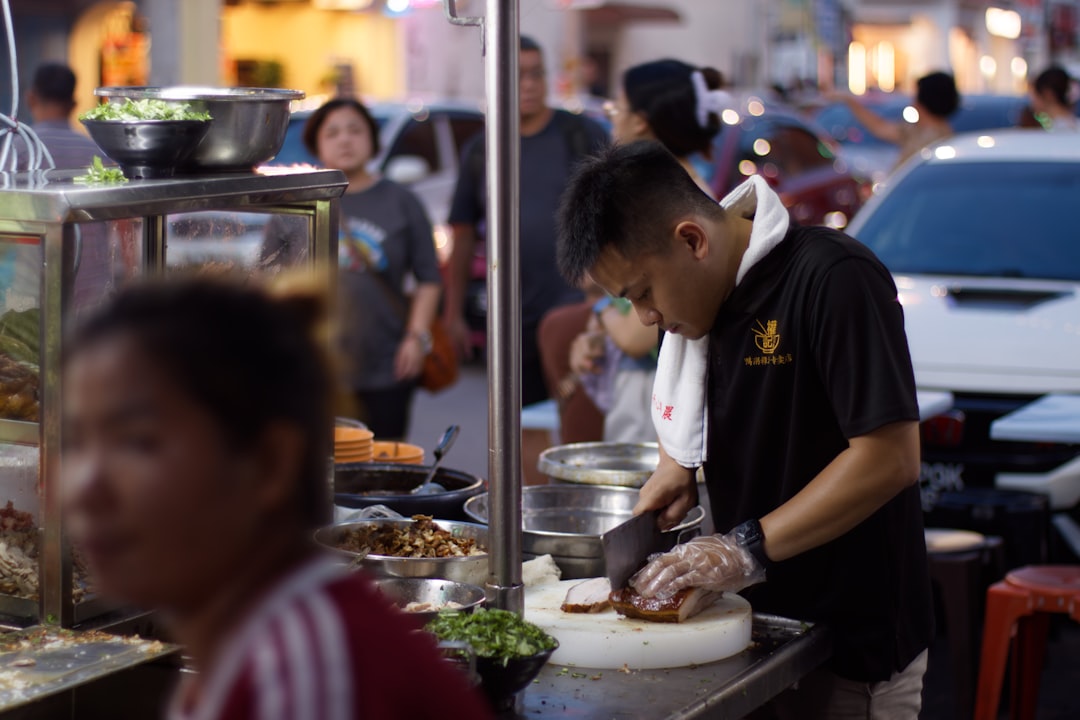
There’s nothing quite like biting into a crispy banh mi in Hanoi or slurping a bowl of tom yum in Bangkok. Southeast Asia’s street food scene is legendary—flavorful, affordable, and deeply rooted in local culture. But for every unforgettable bite, there’s a traveler who’s learned the hard way that not all street stalls are created equal.
Here’s how to savor the best street food in Southeast Asia while keeping your stomach happy.
Top Street Food Destinations (and What to Try)

Not all street food hubs are equal. Some cities have perfected the art of quick, delicious, and safe eats. Here’s where to go:
Bangkok, Thailand
Head to Yaowarat (Chinatown) after dark for smoky grilled seafood or Jay Fai’s famous crab omelet (yes, it’s worth the wait). Pro tip: Look for stalls with a steady crowd—locals know best.
Hanoi, Vietnam
The Old Quarter’s pho stalls simmer broth for hours. Try Pho Thin for a garlicky twist. Avoid places with pre-cooked meat sitting out in the heat.
Penang, Malaysia
Gurney Drive is a night-market paradise. Don’t miss char koay teow (stir-fried noodles) or ais kacang (shaved ice dessert).
“If the cook isn’t busy, there’s probably a reason. The best stalls have constant turnover—fresh ingredients, hot oil, and no time for flies to settle.” — Lena Tran, food tour guide in Ho Chi Minh City
How to Spot a Safe Street Food Stall

Follow these five rules to eat like a pro:
- Follow the locals: A queue of office workers or families is a green flag.
- Check the cooking process: Food should be cooked to order or kept piping hot.
- Watch the water: Avoid ice unless it’s cylindrical (commercially made) and skip raw veggies washed in tap water.
- Bring your own utensils: A cheap travel spork avoids questionable washing practices.
- Cash is king: Street vendors rarely take cards, and ATMs might be scarce.
Must-Try Dishes (and Where to Find Them)
| Dish | Country | Best Spot | Safety Tip |
|---|---|---|---|
| Pad Thai | Thailand | Thip Samai, Bangkok | Watch them crack fresh eggs into the wok |
| Bun Cha | Vietnam | Bun Cha Huong Lien, Hanoi | Herbs should be crisp, not wilted |
| Satay | Indonesia | Street stalls in Yogyakarta | Meat should sizzle when skewered |
When to Walk Away
Even the most tempting stall isn’t worth risking food poisoning. Red flags include:
- Food sitting uncovered in direct sunlight
- Reused oil (it’ll look dark and smell rancid)
- Raw meat stored next to cooked items
Case in point: A traveler in Jakarta once braved a sketchy-looking gado-gado stall because “the peanut sauce smelled amazing.” He spent the next two days regretting it.
Essential Packing List
A few small items make street food adventures smoother:
- Hand sanitizer: Gel or wipes for pre-meal cleanup
- Probiotics: Start taking them a week before your trip
- Pepto-Bismol tablets: The chewable kind don’t count as liquids
- Reusable chopsticks: Lightweight and eco-friendly
Final Thoughts
Finding the best street food in Southeast Asia isn’t just about taste—it’s about smart choices. Stick to busy stalls, watch how food’s prepared, and trust your gut (literally). With these tips, you’ll leave with memories of incredible flavors, not a souvenir stomach bug.
Hungry yet? Grab your wet wipes and dive in.
“`
Frequently Asked Questions
Look for stalls with a steady crowd of locals, as they know the best spots. Ensure food is cooked to order or kept piping hot, and avoid stalls with food sitting uncovered in direct sunlight or reused oil.
Head to Yaowarat (Chinatown) for smoky grilled seafood or Jay Fai’s famous crab omelet. For pad Thai, visit Thip Samai, where they crack fresh eggs into the wok right in front of you.
Bring your own utensils to avoid questionable washing practices, and skip raw veggies washed in tap water. Stick to cylindrical ice, which is commercially made, and start taking probiotics a week before your trip to strengthen your stomach.
Don’t miss Pho Thin in the Old Quarter for a garlicky twist on traditional pho. Ensure the herbs are crisp and not wilted, and avoid stalls with pre-cooked meat sitting out in the heat.
Bring hand sanitizer for pre-meal cleanup, Pepto-Bismol tablets (not the chewable kind), and reusable chopsticks. These small items can make your experience smoother and safer.
Avoid stalls with food sitting uncovered in direct sunlight, reused oil (it’ll look dark and smell rancid), or raw meat stored next to cooked items. If something feels off, trust your instincts and walk away.