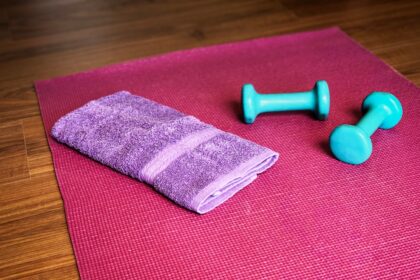







Ever finish a grueling workout feeling like your muscles are staging a mutiny? You’re not alone. Whether you’re a busy parent squeezing in a HIIT session, a student training for a marathon, or a small business owner hitting the gym after work, recovery is key to staying consistent and avoiding burnout. The good news? You don’t need fancy supplements to bounce back faster. Here’s how to recover naturally and effectively.
Why Recovery Matters

Recovery isn’t just about feeling less sore—it’s about giving your body the tools it needs to repair and grow stronger. Skipping recovery can lead to fatigue, injuries, and even plateaus in your progress. Think of it like this: your workout breaks down muscle fibers, and recovery is the process of rebuilding them. Without it, you’re essentially trying to build a house without bricks.
The Natural Approach
While supplements like protein powders and BCAAs can be helpful, they’re not essential. Your body can recover just as well—if not better—with natural strategies. Let’s dive into the most effective ways to speed up recovery without relying on pills or powders.
Hydration: The Unsung Hero

Water is your best friend after a tough workout. Dehydration can slow down muscle repair and leave you feeling sluggish. Aim to drink enough water throughout the day, especially after sweating it out. A simple rule of thumb: drink half your body weight in ounces. For example, if you weigh 150 pounds, aim for 75 ounces of water daily.
“Hydration isn’t just about water—electrolytes matter too. Add a pinch of salt to your water or snack on potassium-rich foods like bananas.”
Post-Workout Nutrition
What you eat after exercising plays a huge role in recovery. Focus on whole foods that provide a mix of protein, carbs, and healthy fats. Here’s a quick guide:
| Nutrient | Role in Recovery | Food Sources |
|---|---|---|
| Protein | Repairs muscle fibers | Eggs, chicken, tofu, Greek yogurt |
| Carbs | Restores glycogen levels | Sweet potatoes, quinoa, oats, fruit |
| Fats | Reduces inflammation | Avocado, nuts, olive oil, salmon |
A post-workout meal like a chicken and quinoa bowl or a smoothie with Greek yogurt and berries can work wonders.
Sleep: Your Body’s Repair Shop
Sleep is where the magic happens. During deep sleep, your body releases growth hormone, which helps repair muscle tissue. Aim for 7–9 hours of quality sleep each night. If you’re struggling to wind down, try these tips:
- Create a bedtime routine (e.g., reading, stretching, or meditating).
- Avoid screens at least an hour before bed.
- Keep your bedroom cool, dark, and quiet.
Remember, even one night of poor sleep can slow your recovery. Prioritize rest like you prioritize your workouts.
Active Recovery: Move to Improve
Active recovery means engaging in low-intensity activities that promote blood flow without stressing your muscles. Think of it as a reset button for your body. Examples include:
- Walking
- Light yoga or stretching
- Swimming
These activities help reduce soreness and stiffness while keeping you active. For instance, a busy parent might take a 20-minute walk with their kids, while a student could try a gentle yoga session between study breaks.
Stretching and Mobility Work
Stretching isn’t just for flexibility—it also aids recovery by improving circulation and reducing muscle tension. Spend 10–15 minutes stretching after your workout, focusing on the muscles you just worked. Dynamic stretches like leg swings or arm circles are great for warming up, while static stretches like hamstring stretches or chest openers are ideal for cooling down.
Foam Rolling: A Game-Changer
Foam rolling, or self-myofascial release, can help release tight spots and improve mobility. It’s like giving yourself a massage. Spend a few minutes rolling out areas like your calves, quads, and back. It might feel uncomfortable at first, but the relief afterward is worth it.
Stress Management
Believe it or not, stress can hinder your recovery. High levels of cortisol (the stress hormone) can slow down muscle repair and leave you feeling drained. Incorporate stress-reducing practices into your routine, such as:
- Meditation or deep breathing exercises
- Spending time in nature
- Journaling or talking to a friend
For example, a small business owner might take a 10-minute mindfulness break during their workday to reset and recharge.
Listen to Your Body
Finally, tune in to what your body is telling you. If you’re feeling unusually fatigued or sore, it might be a sign to take an extra rest day or dial back the intensity of your workouts. Pushing through pain isn’t heroic—it’s counterproductive. Recovery is about balance, not extremes.
By focusing on hydration, nutrition, sleep, active recovery, and stress management, you can recover faster and feel your best—no supplements required. Whether you’re training for a marathon or just trying to stay fit, these natural strategies will help you stay strong and consistent.
Frequently Asked Questions
Aim to drink half your body weight in ounces daily. For example, if you weigh 150 pounds, target 75 ounces of water. Don’t forget electrolytes—add a pinch of salt to your water or snack on potassium-rich foods like bananas to replenish what you’ve lost through sweat.
Focus on whole foods that combine protein, carbs, and healthy fats. A chicken and quinoa bowl or a smoothie with Greek yogurt and berries are excellent choices. These meals repair muscle fibers, restore energy, and reduce inflammation naturally.
Sleep is crucial because it’s when your body releases growth hormone to repair muscle tissue. Aim for 7–9 hours of quality sleep each night. Poor sleep can slow recovery, so prioritize rest as much as your workouts.
Active recovery involves low-intensity activities like walking, light yoga, or swimming. These promote blood flow, reduce soreness, and keep you moving without straining your muscles. For example, a 20-minute walk or a gentle yoga session can work wonders.
Foam rolling helps release tight spots and improve mobility by targeting areas like your calves, quads, and back. It’s like giving yourself a massage—uncomfortable at first but effective for relieving muscle tension and speeding up recovery.
High stress increases cortisol levels, which can slow muscle repair and leave you feeling drained. Incorporate stress-reducing practices like meditation, spending time in nature, or journaling. Even a 10-minute mindfulness break can make a difference.