






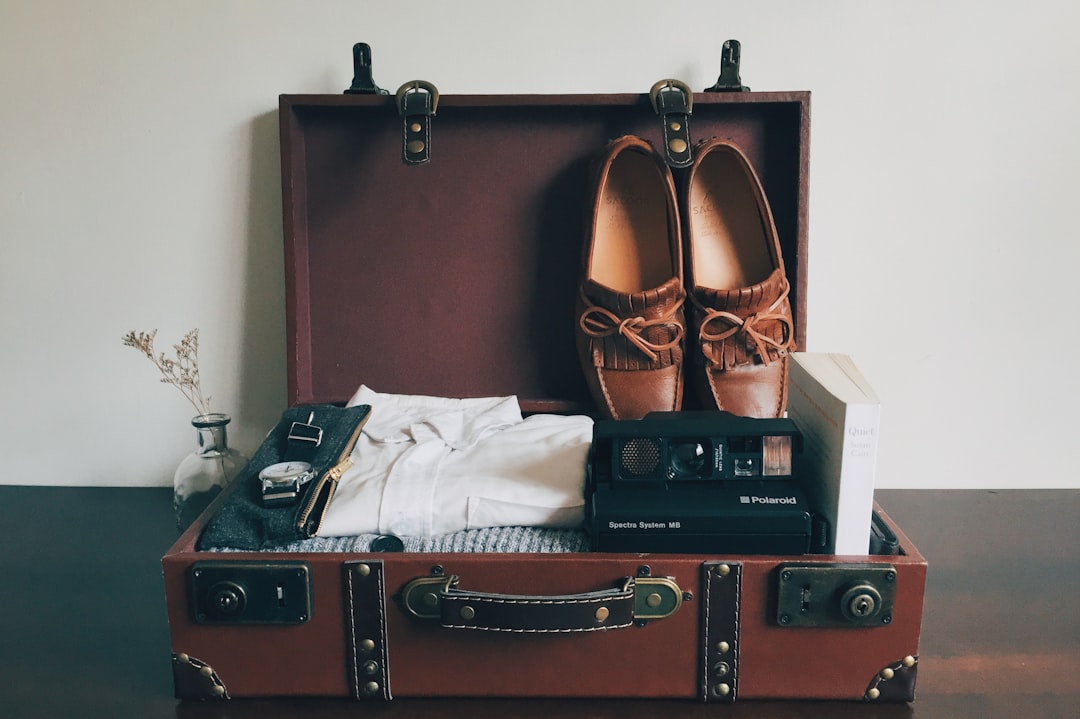
Day trips are a fantastic way to recharge without the hassle of a long vacation. Whether you’re a busy parent, a student on a budget, or someone juggling work and life, a well-planned day outing can feel like a mini getaway. But let’s be honest—overpacking and overscheduling can turn what should be relaxing into stressful. Here’s how to strike the right balance.
Start with a Clear Goal

Before you even think about packing or planning, ask yourself: What’s the purpose of this trip? Are you looking to unwind in nature, explore a new city, or catch up with friends? Having a clear goal helps you focus on what really matters.
For example, Sarah, a small business owner, decided her goal was to disconnect from work and enjoy a quiet day at a nearby lake. Knowing this, she skipped the idea of visiting multiple attractions and instead focused on packing a picnic blanket, a good book, and some snacks.
Define Your Priorities
Once you’ve set your goal, prioritize activities that align with it. If relaxation is your aim, don’t squeeze in five different stops. One or two meaningful experiences will leave you feeling refreshed.
“Less is more when it comes to day trips. Focus on quality, not quantity.”
Pack Smart, Not Heavy

Overpacking is a common pitfall. You don’t need your entire wardrobe or every gadget you own. Stick to essentials and remember: if you forget something, chances are you can buy it locally.
Essential Packing List
Here’s a simple checklist to keep your bag light:
- Comfortable clothing: Dress for the weather and activities.
- Snacks and water: Stay hydrated and avoid hunger-induced stress.
- Basic first aid: Band-aids, pain relievers, and any personal medications.
- Phone and charger: A portable charger can be a lifesaver.
- Small bag or backpack: Keep your hands free and your essentials organized.
Tom, a college student, learned this the hard way. On his first hiking trip, he brought a huge backpack filled with unnecessary gear. By the end of the day, he was exhausted from carrying it all. Now, he sticks to the essentials and enjoys the journey much more.
Plan Your Time Wisely
Overscheduling can make a day trip feel rushed and unenjoyable. Instead of cramming in every possible activity, leave room for spontaneity and relaxation.
Create a Flexible Itinerary
Here’s how to plan without overloading:
- Set a start and end time: Decide when you’ll leave and when you’ll head back.
- Choose 1–2 main activities: Focus on what you really want to do.
- Include buffer time: Traffic, delays, and unexpected detours happen.
- Be okay with changing plans: Sometimes, the best moments are unplanned.
For instance, Maria, a busy mom, planned a day trip to a nearby botanical garden with her kids. She chose one main activity—exploring the gardens—and left the afternoon open for whatever caught their interest. They ended up discovering a butterfly exhibit, which turned into the highlight of their day.
Balance Preparation with Flexibility
Preparation is key, but so is flexibility. Over-planning can suck the joy out of a day trip, while too little planning can lead to stress. Find the sweet spot.
| Preparation | Flexibility |
|---|---|
| Pack essentials | Be open to changes |
| Research your destination | Allow time for surprises |
| Know your route | Take detours if they interest you |
Learn from Real-Life Examples
Sometimes, the best advice comes from others’ experiences. Here’s how different people approach their day trips:
The Adventurer
Jake, an outdoor enthusiast, loves exploring new trails. His secret? He packs light, researches the trail beforehand, and always checks the weather. He also brings a map and compass, even if he’s using GPS, to stay prepared.
The Foodie
Linda, a self-proclaimed foodie, plans her day trips around local eateries. She picks one or two must-try restaurants and builds her itinerary around them. She also carries a reusable water bottle and a small cooler for leftovers.
The Family Planner
Emily, a mom of two, keeps her day trips simple and kid-friendly. She chooses destinations with amenities like restrooms and picnic areas. She also packs a “busy bag” with toys and snacks to keep her kids entertained during the drive.
Final Thoughts
A day trip doesn’t have to be complicated to be memorable. By focusing on your goals, packing smart, and planning wisely, you can create a day that’s both enjoyable and stress-free. Remember, the best trips often come from balancing preparation with the freedom to go with the flow.
So, whether you’re heading to the mountains, the beach, or a bustling city, keep it simple. Pack what you need, plan what matters, and leave room for the unexpected. That’s the secret to a perfect day trip.
Frequently Asked Questions
Stick to essentials like comfortable clothing, snacks, water, basic first aid, and a phone charger. Tom, a college student, learned this the hard way when he carried an overloaded backpack on a hike. Now, he focuses on packing light and enjoys his trips much more.
Choose 1–2 main activities and leave buffer time for unexpected delays or spontaneous moments. Maria, a mom, planned a trip to a botanical garden with her kids and left the afternoon open. They stumbled upon a butterfly exhibit, which became the highlight of their day.
Start by setting a clear goal—whether it’s relaxation, exploration, or connection. Sarah, a small business owner, decided her goal was to disconnect at a lake. She skipped multiple attractions and focused on packing essentials like a picnic blanket and a good book.
Prepare essentials like researching your destination and knowing your route, but stay open to changes. Jake, an adventurer, always checks the weather and brings a map and compass, but he’s ready to take detours if something catches his interest.
Choose kid-friendly destinations with amenities like restrooms and picnic areas. Emily, a mom of two, packs a “busy bag” with toys and snacks to keep her kids entertained during the drive. Keeping it simple ensures everyone has fun.
Bring comfortable clothing, snacks, water, basic first aid, a phone charger, and a small bag or backpack. This keeps your load light and ensures you have everything you need without overpacking.