




Picture this: You’ve just landed in Tokyo, Berlin, or Buenos Aires. The airport signs are in another language, your phone battery’s at 15%, and you need to reach your Airbnb across town before dark. Sound familiar? Whether you’re a student on a budget, a business traveler with back-to-back meetings, or a family hauling luggage, mastering public transit abroad is the ultimate travel hack. Here’s how to do it without breaking a sweat.
Before You Leave: Prep Like a Local

Smart travelers know the real work starts before they board the plane. A little prep turns chaos into confidence.
1. Download the Right Apps
Forget generic map apps. Local transit tools like these are game-changers:
- Citymapper (London, Paris, NYC): Shows real-time disruptions and even calculates calorie burn if you walk between stations
- Moovit (80+ countries): Voice-guided directions with wheelchair accessibility filters
- Google Maps offline: Pin your hotel and key stops when Wi-Fi’s spotty
“I save €50 per trip by comparing transit passes vs single tickets using the local transport authority’s app—Rome’s ATAC app even shows bus crowding levels.” — Marta, frequent traveler
2. Learn the Payment System
Payment methods vary wildly:
| City | Payment Type | Pro Tip |
|---|---|---|
| London | Contactless card | Same card for Tube and buses—but don’t mix multiple cards or you’ll pay double |
| Tokyo | Suica/Pasmo IC cards | Buy at airport kiosks—also works at convenience stores |
| Mexico City | Rechargeable smart card | One card per person—no sharing allowed |
On the Ground: Navigate Like You Live There

Now for the real test. These strategies work whether you’re in Prague or Portland.
3. Decode the Transit Map Like Sherlock
Most metro maps are geographic nightmares (looking at you, Paris Line 6). Instead:
- Count stops, not distances—a 5-stop ride might take 3 minutes or 30
- Note end-of-line directions (e.g., “Take U3 toward Simmering”)
- Spot transfer stations—circles or thicker lines usually mean easy connections
4. Avoid Peak Hour Disasters
Tokyo’s subway moves 3.7 million people daily. If you can’t avoid rush hour:
- Stand right, walk left on escalators (reverse in Australia/NZ)
- Let passengers exit before boarding
- Backpacks go at your feet—elbow room is sacred
When Things Go Wrong (Because They Will)
Delayed trains? Sudden strikes? Lost in a station maze? Here’s your emergency kit.
5. Find Alternative Routes Fast
When your line shuts down:
- Look for staff in neon vests—they often speak English
- Check electronic boards for bus replacement services
- Use station Wi-Fi to message your host/hotel for local advice
6. Safety Smarts for Night Rides
Late-night transit varies by city:
| City | Night Option | Safety Tip |
|---|---|---|
| New York | 24/7 subway | Ride in the middle cars near the conductor |
| Berlin | Night buses (N-lines) | Buy tickets from drivers—cash only |
| Bangkok | Skytrain until midnight | Have small bills for taxis after hours |
Next-Level Hacks for Frequent Travelers
Ready to upgrade from “surviving” to “thriving”? Try these.
7. Master the Unwritten Rules
Locals spot tourists who:
- Block doors instead of moving to the center
- Chat loudly on quiet cars (common in Japan/Switzerland)
- Eat messy foods—baguettes yes, durian fruit no
8. Use Transit for Hidden Gems
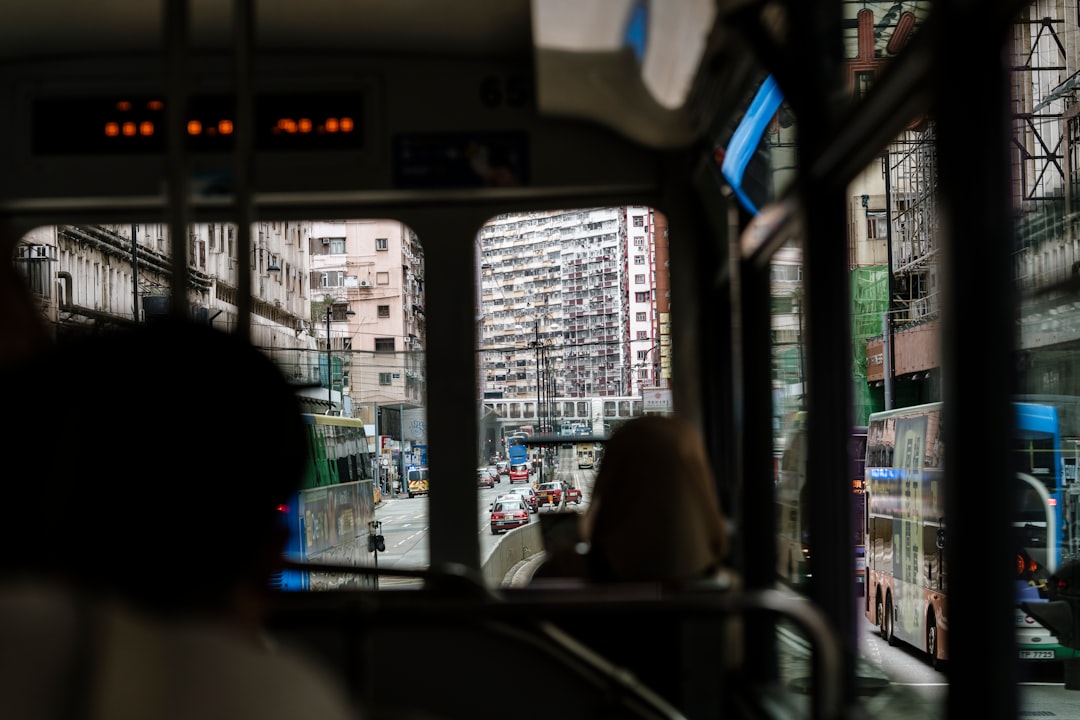
Some of Lisbon’s best views come from Tram 28. In Hong Kong, the Star Ferry costs $0.50 and beats any harbor cruise. Ask station staff or your Airbnb host: “Which line goes to your favorite neighborhood most tourists miss?”
Remember: Getting lost occasionally is part of the adventure. Last year in Seoul, I accidentally took the wrong train and discovered an incredible underground shopping mall. Now it’s my go-to rainy day spot. The best travel stories often start with a transit mix-up.
With these strategies, you’ll spend less time staring at maps and more time enjoying that perfect espresso, business deal, or sunset view—wherever your journey takes you.
Frequently Asked Questions
Here are 5 practical FAQs based on the article:
Skip generic map apps—use specialized tools like Citymapper (real-time disruption alerts) or Moovit (voice-guided directions with accessibility filters). For offline access, pin key locations in Google Maps before losing Wi-Fi.
Research payment systems beforehand: London’s contactless cards can’t be shared, Tokyo’s Suica cards double as convenience store payment, and Mexico City requires one card per person. Check local transport authority apps for pass vs single-ticket comparisons.
Focus on stops rather than distances—a 5-stop ride might take 3 minutes or 30. Note end-of-line directions (e.g., “U3 toward Simmering”) and look for transfer stations marked with circles or thicker lines.
Stand right/walk left on escalators (reversed in Australia/NZ), let passengers exit first, and stow backpacks at your feet. In Tokyo, avoid the Yamanote Line between 8-9 AM when trains reach 200% capacity.
Look for staff in neon vests (often English-speaking), check electronic boards for bus replacements, and use station Wi-Fi to message your accommodation for local advice—they’ll know alternative routes apps won’t show.

![The Best Neighborhoods to Stay in for First-Time Visitors to [City]](https://dailyadvicehub.com/wp-content/uploads/2025/12/photo-1630882647558-0aff93182a6a-420x280.jpg)