





Stepping into a new city can feel overwhelming, especially when you’re relying on public transportation. Whether you’re a student heading to class, a business traveler rushing to meetings, or a tourist exploring hidden gems, figuring out the local transit system is key to saving time and reducing stress. Here’s how to master it like a seasoned local.
Start with Research Before You Arrive

Preparation is your best friend. Before you land, spend some time researching the city’s transit system. Look for official websites or apps that provide maps, schedules, and fare information. For example, London’s Tube map is iconic and easy to navigate, while Tokyo’s subway system is vast but incredibly efficient.
Pro tip: Download offline maps or transit apps like Citymapper or Google Maps. These tools can guide you even without an internet connection.
Understand the Basics
Every city’s system has its quirks. Some use tap-and-go cards, while others rely on paper tickets or even cash. For instance:
- New York City uses MetroCards, which you can reload at any station.
- Berlin’s BVG system operates on an honor system—you validate your ticket before boarding.
- In Bangkok, you’ll need coins for most vending machines.
Knowing these details in advance can save you from fumbling at the ticket counter.
Master the Local Transit Map

Transit maps are your roadmap to the city. Take a few minutes to study the layout. Look for key landmarks, major transfer points, and the lines that connect them. For example, Paris’ Métro map is color-coded and includes tourist attractions like the Eiffel Tower and Louvre Museum.
Remember, maps aren’t always to scale. Stations might look closer than they actually are. Use your app to check walking distances between stops.
Identify Peak and Off-Peak Hours
Crowded trains can be stressful, especially during rush hour. In cities like Tokyo or New York, peak hours (7–9 AM and 5–7 PM) can feel like a sardine can. If your schedule allows, travel during off-peak times for a more comfortable ride.
Blend in Like a Local
Nothing screams “tourist” like standing on the wrong side of the escalator or blocking the train doors. Observe how locals behave and follow suit. Here’s how:
- Stand on the right, walk on the left: This is the unwritten rule in cities like London and Washington, D.C.
- Let passengers exit first: Wait for people to get off before boarding.
- Keep your voice down: Loud conversations or phone calls can draw unwanted attention.
“The key to blending in is observation. Watch how locals move, where they stand, and how they interact with the system.”
Know Your Payment Options
Fares can vary widely depending on the city and mode of transport. Some systems charge by distance, while others offer flat rates. Here’s a quick comparison:
| City | Payment Method | Average Cost |
|---|---|---|
| London | Oyster Card/Contactless | £2.40–£6.00 |
| Tokyo | Suica/PASMO Card | ¥170–¥330 |
| New York | MetroCard | $2.75 |
Consider purchasing a multi-day pass if you’ll be using transit frequently. It’s often cheaper than buying individual tickets.
Stay Safe and Aware
Public transportation is generally safe, but it’s wise to stay alert. Keep your belongings close, especially in crowded areas. Avoid displaying expensive items like cameras or jewelry.
If you’re traveling late at night, stick to well-lit stations and sit near other passengers. Many cities, like Seoul and Singapore, have security cameras and staff on duty 24/7.
Learn Emergency Procedures
Know where the emergency exits are and how to contact staff if needed. For example, London’s Tube stations have emergency call points on platforms.
Practice Makes Perfect
The more you use the system, the more confident you’ll become. Start with shorter trips to get a feel for the process. As you gain experience, you’ll start to recognize patterns and shortcuts.
Take Maria, a small business owner from Madrid, as an example. She was nervous about navigating Tokyo’s subway during her first trip. After a few days of practice, she was hopping between lines like a pro.
Ask for Help When Needed
Don’t be afraid to ask for directions or assistance. Most locals are happy to help, especially if you’re polite and respectful. Learn a few basic phrases in the local language, like “Where is the train station?” or “How do I get to…?”
Staff at information desks are also a great resource. They can provide maps, explain routes, and even recommend the best way to get to your destination.
Embrace the Experience
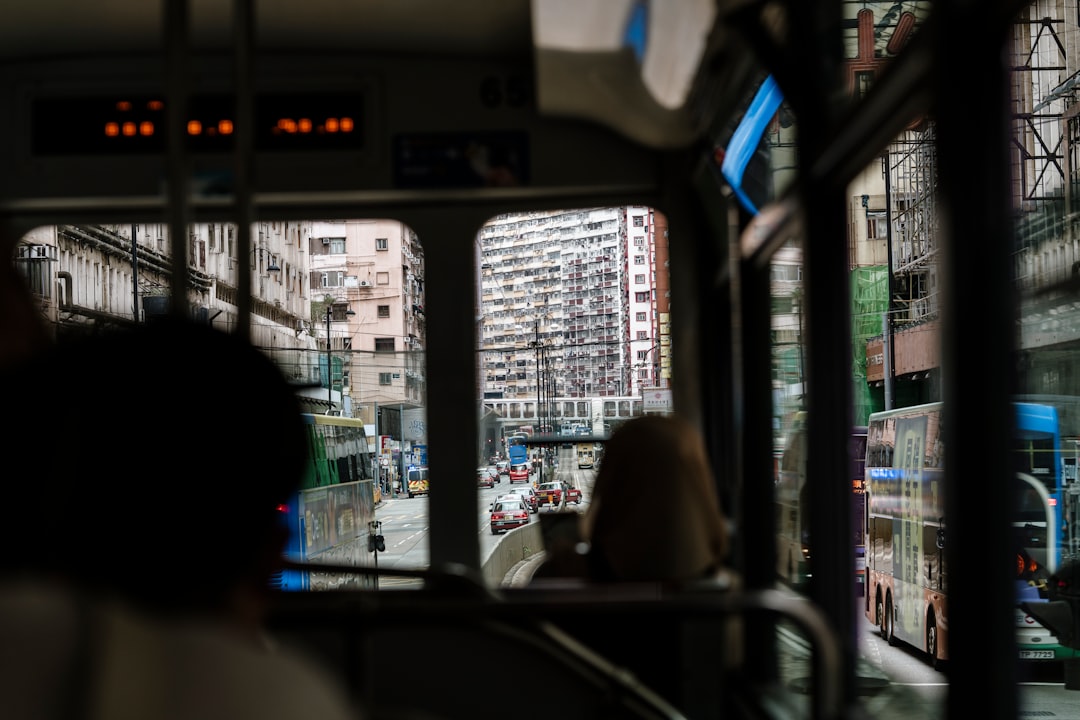
Public transportation isn’t just a way to get around—it’s a window into the city’s culture. You’ll see locals commuting to work, street performers entertaining passengers, and snippets of daily life you’d miss in a taxi.
By mastering the local transit system, you’ll not only save money but also gain a deeper appreciation for the city you’re exploring. So grab your map, hop on the train, and start your adventure.
Frequently Asked Questions
Start by researching the city’s transit system before you arrive. Look for official websites or apps that provide maps, schedules, and fare information. For example, London’s Tube map is iconic and easy to navigate. Download offline maps or apps like Citymapper or Google Maps to guide you even without an internet connection.
Every city has its own quirks when it comes to payment. For instance, New York uses MetroCards, Berlin relies on pre-validated tickets, and Bangkok often requires coins for vending machines. Knowing these details in advance can save you time and hassle at the ticket counter.
If your schedule allows, travel during off-peak hours. In cities like Tokyo or New York, peak times (7–9 AM and 5–7 PM) can be extremely crowded. Opting for mid-morning or late-evening rides can make your journey much more comfortable.
Observe local behavior and follow suit. For example, stand on the right side of escalators in London or Washington, D.C., and wait for passengers to exit before boarding. Keeping your voice down and avoiding blocking doors also helps you blend in seamlessly.
Stay alert and keep your belongings close, especially in crowded areas. Avoid displaying expensive items like cameras or jewelry. If traveling late at night, stick to well-lit stations and sit near other passengers. Cities like Seoul and Singapore have security cameras and staff on duty 24/7 for added safety.
Don’t hesitate to ask for assistance. Most locals are happy to help if you’re polite and respectful. Learning a few basic phrases in the local language can be useful. Staff at information desks are also a great resource for maps, route explanations, and recommendations.