





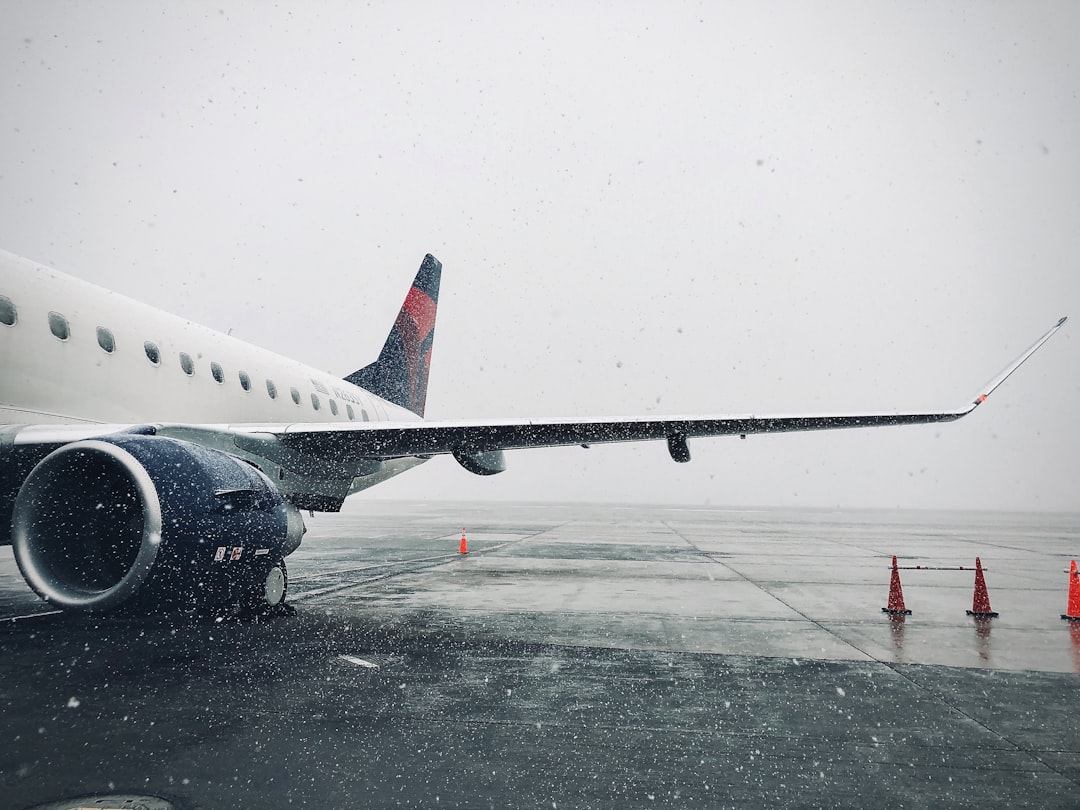
You’ve checked in, cleared security, and settled at the gate with your overpriced airport coffee. Then the dreaded announcement: “Ladies and gentlemen, we regret to inform you…” Your flight is delayed. Maybe it’s weather, mechanical issues, or crew scheduling—whatever the reason, your plans just got derailed.
But here’s the good news: with the right approach, you can turn delays from stressful nightmares into manageable (and sometimes even productive) pauses. Whether you’re a business traveler with back-to-back meetings or a parent wrangling excited kids, these strategies work.
“The difference between a travel disaster and a minor inconvenience is preparation. Always pack snacks, chargers, and patience—they’re worth more than first-class upgrades.”
—Maya R., flight attendant for 12 years
Before You Even Get to the Airport

Smart travelers start preparing for possible delays before leaving home. These three steps take 10 minutes but save hours of stress:
- Download your airline’s app—you’ll get delay notifications faster than gate agents can make announcements. Delta’s app, for example, often alerts passengers 20+ minutes before public announcements.
- Pack a “delay kit”: portable charger, $20 in small bills (for vending machines when card readers fail), protein bars, and earplugs. Parents: add coloring books or a deck of cards.
- Know your rights—EU Regulation 261/2004 entitles you to €250–600 compensation for certain delays over 3 hours. US DOT requires meal vouchers for delays over 2 hours (but airlines often don’t volunteer this).
When the Delay Hits: Your Action Plan

Step 1: Verify and Document
Gate agents might say “just a 30-minute delay” when systems show 3 hours. Check FlightAware or RadarBox for real-time tracking. Screenshot everything—you’ll need proof later if claiming compensation.
Step 2: Explore Your Options
Don’t queue at the customer service desk yet. First:
- Use the airline app’s rebooking tool (works faster than agents)
- Call the airline’s international line—they often have shorter wait times
- Check nearby gates for flights to your destination (sometimes other carriers honor tickets)
Step 3: Claim What You’re Owed
Airlines won’t always offer, but you might qualify for:
| Delay Length | Typical Compensation |
|---|---|
| 2+ hours (domestic US) | Meal vouchers, sometimes hotel if overnight |
| 3+ hours (EU/UK) | Cash compensation up to €600 |
| Overnight | Hotel + transport (even for budget airlines) |
Making the Most of Wait Time
Sarah K., a freelance graphic designer, treats delays as bonus work hours: “I once redesigned a client’s logo during a 4-hour delay in Denver—billable time I wouldn’t have had otherwise.”
Turn dead time into productive time:
- Work remotely: 73% of airports now offer free (if slow) WiFi. Use a VPN for security.
- Walk: Terminal steps add up—Chicago O’Hare’s B concourse is a 0.7-mile loop.
- Learn: Podcasts or language apps make time fly. One Duolingo lesson = ~5 minutes.
Special Situations: Kids, Connections, and Chaos
Traveling With Children
Jessica and Mark, parents of 4-year-old twins, swear by “delay surprises”: “We wrap dollar-store toys like mummies with masking tape—unwrapping buys 15 minutes per toy.”
Missing Connections
If your delay causes a missed connection:
- Find the airline’s contract of carriage (usually on their website)—it spells out their obligations
- Ask about “distressed passenger rates” at airport hotels (often 50% off)
- Save receipts—even Uber rides may be reimbursable
When to Escalate (and How to Do It Right)
If you’ve been stranded overnight or given the runaround:
- Twitter/X: Public tweets get faster responses than emails. Tag the airline and include flight details.
- DOT complaint: US airlines must respond within 60 days to formal complaints filed at transportation.gov.
- Small claims court: For EU compensation claims under €5,000, many travelers win without lawyers.
Remember: The agent at the gate didn’t cause the delay. Polite persistence works better than yelling. As one Lufthansa supervisor told me, “I’ll move mountains for calm passengers. Angry ones get the bare minimum.”
Long-Term Strategies for Smarter Flying
Frequent flyers reduce delay headaches with these habits:
- Book morning flights: First departures have 50% fewer delays than late-day flights (FAA data).
- Choose delay-prone airports carefully: Newark has 3x more weather delays than Phoenix.
- Get travel insurance—but only if it covers your specific concerns (missed cruise departures, etc.).
Flight disruptions are inevitable, but meltdowns aren’t. With these tools, you’ll handle delays like a seasoned traveler—saving money, time, and your sanity. Next time you hear that delay announcement, take a deep breath. You’ve got this.
Frequently Asked Questions
Bring a “delay kit” with essentials like a portable charger, $20 in small bills, protein bars, and earplugs. If you’re traveling with kids, add small toys or activities like coloring books to keep them occupied.
Download your airline’s app—it often sends delay notifications 20+ minutes before public announcements. Apps like Delta’s are particularly reliable for early updates.
In the EU, delays over 3 hours can qualify for €250–600 compensation under Regulation 261/2004. In the US, delays over 2 hours may entitle you to meal vouchers, and overnight delays often include hotel stays.
Use your airline’s app to rebook—it’s usually faster than waiting in line. Alternatively, call the airline’s international line, which often has shorter wait times, or check nearby gates for flights with other carriers.
Use free airport WiFi to work remotely, take a walk to stretch your legs, or listen to podcasts or language lessons. Many airports, like Chicago O’Hare, have concourses that double as walking paths.
Check the airline’s contract of carriage for their obligations, ask about discounted “distressed passenger rates” at airport hotels, and save all receipts for potential reimbursement, including Uber rides.
![The Best Neighborhoods to Stay in for First-Time Visitors to [City]](https://dailyadvicehub.com/wp-content/uploads/2025/12/photo-1630882647558-0aff93182a6a-420x280.jpg)