




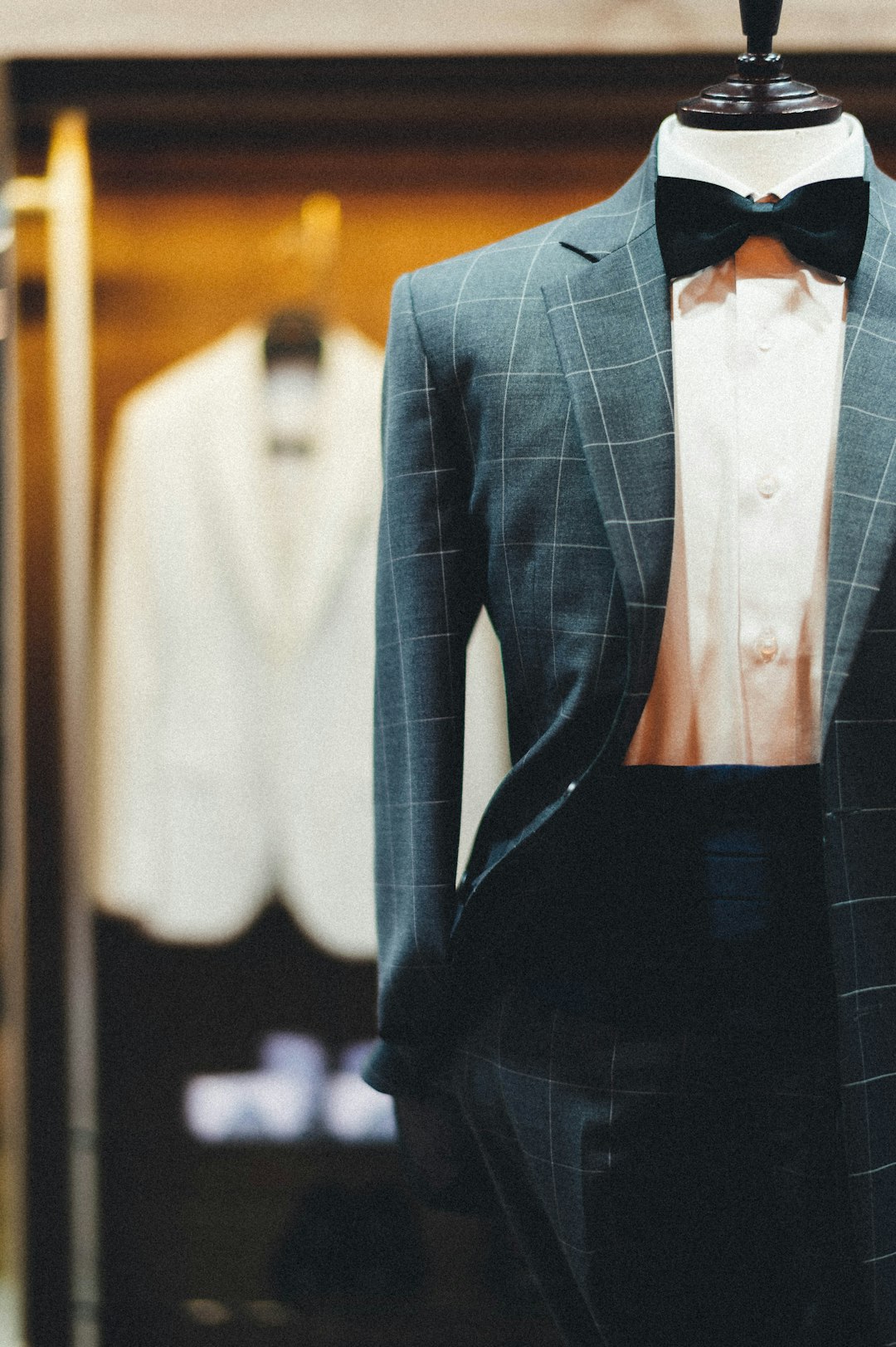
Finding the right balance between professional and stylish can feel like walking a tightrope. You don’t want to blend into the background, but you also don’t want to show up looking like you’re headed to a red carpet event. Whether you’re a small business owner meeting clients, a student presenting a project, or a busy parent juggling work and family, dressing smartly without losing your personality is key. Here’s how to nail it.
Understand Your Environment

Before you pick out your outfit, take a moment to consider where you’ll be wearing it. A corporate office, a creative agency, and a startup all have different dress codes. For example, a financial advisor might lean toward tailored suits, while a graphic designer could get away with a sleek blazer paired with dark jeans.
“Dress for the job you want, but don’t forget to dress for the environment you’re in.”
If you’re unsure, observe what others around you are wearing. Aim to match the level of formality while adding your own twist. This approach ensures you’re appropriate without blending into the crowd.
Invest in Versatile Pieces

Building a wardrobe that works for multiple occasions starts with versatile staples. These are items that can be dressed up or down, depending on the situation. Think:
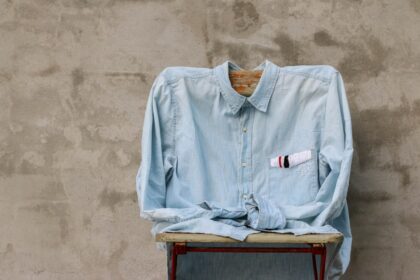
- A crisp white button-up shirt
- A tailored blazer in a neutral color
- Dark, well-fitted jeans or trousers
- Classic loafers or ankle boots
For example, a white shirt paired with tailored trousers screams professionalism, but swap the trousers for jeans and you’ve got a casual yet polished look. Versatility saves you money and ensures you’re always prepared.
Play with Colors and Patterns
Professional doesn’t have to mean monochrome. Adding subtle pops of color or patterns can make your outfit more interesting without sacrificing sophistication. A navy blazer with a patterned pocket square or a burgundy tie can elevate your look. For women, a silk scarf or a statement necklace can add flair.
Here’s a quick guide to balancing color and pattern:
| Item | Safe Choice | Bold Choice |
|---|---|---|
| Shirt/Blouse | White or light blue | Subtle stripes or pastels |
| Tie/Scarf | Solid navy or black | Geometric patterns or jewel tones |
| Shoes | Black or brown leather | Burgundy or textured finishes |
Focus on Fit
No matter how expensive or stylish your clothes are, if they don’t fit well, they won’t look good. Tailoring is your best friend. A blazer that nips in at the waist or trousers that skim your legs perfectly can make all the difference. Even small adjustments, like hemming pants or taking in a shirt, can elevate your appearance.
For busy parents or students on a budget, many affordable brands now offer slim-fit or tailored options right off the rack. Just make sure to try things on and move around to ensure comfort and flexibility.
Accessorize Thoughtfully
Accessories are where you can really inject personality into your outfit. A sleek watch, a structured handbag, or a pair of minimalist earrings can add polish without overwhelming your look. The key is to keep it balanced—don’t wear all your statement pieces at once.
“Accessories are like punctuation marks in your outfit—they complete the sentence.”
For example, if you’re wearing a bold necklace, skip the statement earrings. If you’ve got a colorful tie, keep your pocket square understated. Less is often more when it comes to accessories.
Layer Smartly
Layering adds depth and interest to your outfit while also making it more practical for changing temperatures. A cardigan over a blouse, a vest under a blazer, or a lightweight scarf can transform your look. Layering also allows you to mix textures, like pairing a wool blazer with a silk blouse or a cotton shirt with a linen jacket.
Here’s a simple layering formula for colder months:
- Start with a lightweight base (e.g., a fitted tee or button-up shirt).
- Add a mid-layer (e.g., a sweater or vest).
- Finish with a jacket or coat (e.g., a tailored blazer or trench coat).
Pay Attention to Shoes
Your shoes can make or break your outfit. They’re also one of the first things people notice. Opt for classic styles like Oxfords, loafers, or ankle boots for men, and pumps, ballet flats, or low-heeled boots for women. Neutral colors like black, brown, or nude are versatile and timeless.
For a modern twist, consider shoes with subtle details like broguing, metallic accents, or textured leather. Just avoid anything too flashy or casual (like sneakers, unless you’re in a creative field).
Keep It Clean and Polished
Even the best outfit can fall flat if it’s wrinkled or scuffed. Take the time to iron your clothes, polish your shoes, and check for loose threads or missing buttons. A lint roller can be a lifesaver for keeping your outfit looking fresh.
For busy professionals or parents, investing in wrinkle-resistant fabrics or a steamer can save time and keep your clothes looking sharp. A quick once-over before you leave the house can make a big difference.
Experiment with Confidence
Finally, the most important part of dressing professionally without looking boring or overdressed is confidence. Wear what makes you feel good, and own it. If you’re comfortable in your outfit, it will show. Don’t be afraid to experiment with new styles or combinations—just keep it appropriate for your setting.
Remember, dressing well isn’t about following every trend or spending a fortune. It’s about finding a balance that works for you and your lifestyle. Whether you’re meeting clients, attending a presentation, or juggling work and family, these tips will help you look polished and put-together without losing your personal style.
Frequently Asked Questions
Add subtle personality with accessories like a patterned pocket square, silk scarf, or statement necklace. Play with textures and layers—try a wool blazer over a silk blouse or a lightweight cardigan with dark jeans. Just avoid going overboard; one bold piece per outfit is enough.
A crisp white button-up, neutral blazer, well-fitted dark jeans or trousers, and classic leather shoes (like loafers or ankle boots) work for nearly any semi-formal setting. These can be mixed and matched—for example, pair the blazer with jeans for casual meetings or with trousers for client presentations.
Look for shoulders that sit flat (no pulling or sagging), waistlines that skim your body without gaping, and pants that graze the top of your shoes without pooling. Affordable tailoring (like hemming pants for $10-$20) can make off-the-rack pieces look custom.
Absolutely—opt for jewel tones (burgundy, emerald) or pastels in moderation. Pair a navy blazer with a pale pink shirt or add a burgundy tie to a gray suit. Avoid neon shades or overly loud patterns unless your workplace is creative.
Stick to leather in black, brown, or nude. Men should consider Oxfords or loafers; women can opt for low-heeled boots or pointed-toe flats. For a modern touch, try brogues or textured leather—just avoid scuffed soles or overly casual styles.
Choose wrinkle-resistant fabrics (like stretch wool or ponte) and machine-washable blazers. Keep a lint roller and portable steamer handy for quick touch-ups. Versatile pieces (e.g., a blazer that works over dresses or jeans) maximize limited closet space.