






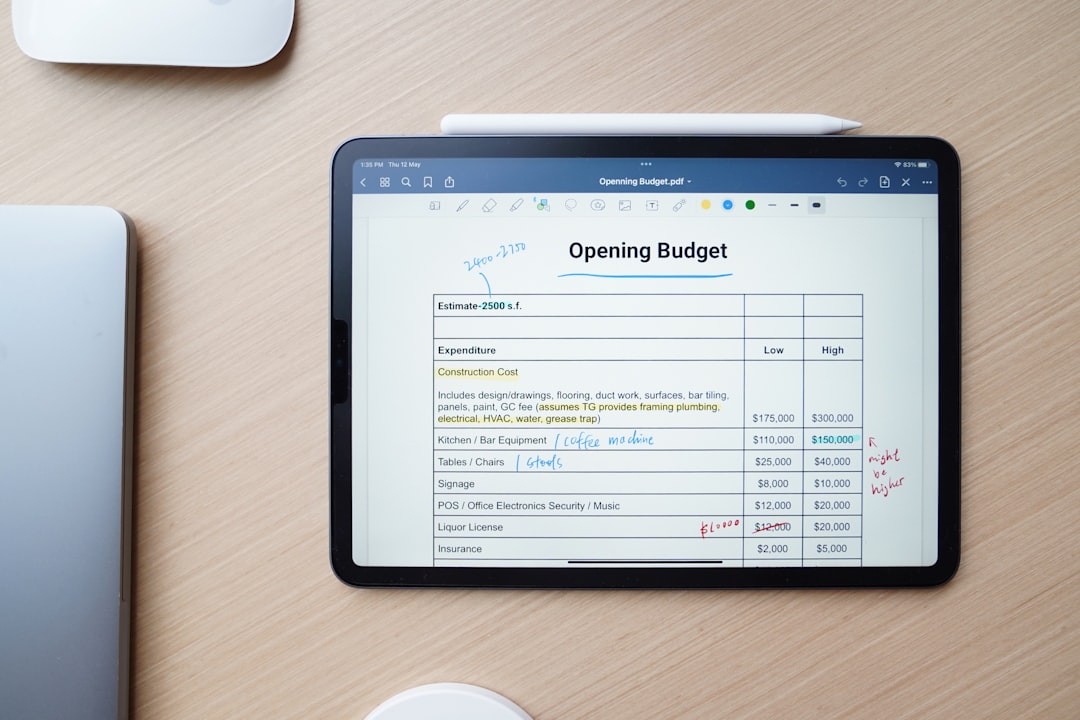
Scaling a business is exciting—until the numbers start feeling overwhelming. You might be making more sales, but expenses pile up just as fast. Without a solid budget, growth can quickly turn into chaos. The good news? A well-planned budget doesn’t just track money; it helps you control it.
- Why Most Business Budgets Fail (And How to Avoid It)
- Step-by-Step: Building a Budget That Grows With You
- 1. Track Every Dollar (Yes, Even the Small Stuff)
- 2. Separate Fixed and Variable Costs
- 3. Forecast Revenue Realistically
- 4. Plan for the Unexpected
- 3 Budgeting Methods to Match Your Business Style
- Tech That Makes Budgeting Easier
- When to Tweak Your Budget (And When to Stick to It)
- Real Growth Starts With a Plan
- Frequently Asked Questions
Why Most Business Budgets Fail (And How to Avoid It)

Ever set a budget, only to abandon it by month two? You’re not alone. Most budgets fail because they’re either too rigid or based on guesswork. For example, Sarah, who runs a boutique bakery, initially budgeted $2,000 monthly for ingredients. But when flour prices spiked, her plan fell apart. A working budget adapts to real-world changes.
“A budget isn’t a straitjacket—it’s a roadmap. Build in flexibility for surprises, and review it monthly.” — Mark, CFO of a 50-employee tech startup
Step-by-Step: Building a Budget That Grows With You

1. Track Every Dollar (Yes, Even the Small Stuff)
Before planning, know where your money actually goes. For 30 days, record every expense—down to the $12 office coffee run. Tools like QuickBooks or even a simple spreadsheet work. When Jason, a freelance graphic designer, did this, he discovered 20% of his income was leaking into unused software subscriptions.
2. Separate Fixed and Variable Costs
Fixed costs (rent, salaries) stay steady; variables (marketing, inventory) fluctuate. List them like this:
| Fixed Costs | Variable Costs |
|---|---|
| Rent: $1,500 | Ads: $800–$1,200 |
| Salaries: $4,000 | Shipping: $300–$700 |
3. Forecast Revenue Realistically
Base projections on past data—not wishful thinking. If your sales grew 10% last year, don’t assume 50% this year. For seasonal businesses (like a pool-cleaning service), break it down by quarter.
4. Plan for the Unexpected
Set aside 5–10% of revenue for emergencies. When a food truck owner, Lena, had her grill break down mid-summer, her emergency fund saved $3,000 in lost sales.
3 Budgeting Methods to Match Your Business Style
- Zero-Based Budgeting: Every dollar gets a job. Income minus expenses equals zero. Great for startups watching every penny.
- 50/30/20 Rule: 50% to essentials, 30% to growth (like marketing), 20% to savings. Works well for service businesses.
- Envelope System: Allocate cash to categories (e.g., $500 for supplies). Stops overspending—popular with retail shops.
Tech That Makes Budgeting Easier
Forget scribbled notes in a ledger. Modern tools automate the heavy lifting:
- QuickBooks: Syncs with bank accounts, tracks tax deductions.
- FreshBooks: Simple invoicing + expense tracking.
- Google Sheets: Free, customizable templates for DIYers.
When to Tweak Your Budget (And When to Stick to It)
Revisit your budget monthly, but don’t overhaul it for every hiccup. Adjust if:
- Revenue consistently exceeds projections (time to invest more?).
- A cost category is always over (maybe your estimates were off).
Example: A tutoring center noticed online ad costs were 40% higher than planned—but brought in 3x more students. They reallocated funds from print ads instead of cutting back.
Real Growth Starts With a Plan
Creating a budget that works isn’t about restriction; it’s about making intentional choices. Whether you’re a solopreneur or managing a team, these steps turn financial guesswork into clarity. Start small, stay consistent, and watch your business thrive—without the money stress.
Frequently Asked Questions
Build in room for unexpected changes by reviewing your budget monthly. For example, if ingredient costs spike like they did for Sarah’s bakery, adjust variable expenses like marketing or inventory to compensate. Flexibility ensures your budget remains practical.
Record every dollar spent for 30 days—even minor costs like office coffee runs. Tools like QuickBooks or Google Sheets can simplify this process. Jason, a freelancer, found 20% of his income was wasted on unused subscriptions by tracking meticulously.
Allocate 5–10% of your revenue for unexpected costs. Lena, a food truck owner, saved $3,000 in lost sales when her grill broke down thanks to her emergency fund. This buffer keeps your business resilient.
List fixed costs like rent and salaries separately from variable costs like ads or shipping. For example, rent stays at $1,500, while ad spend might range from $800 to $1,200. This clarity helps you prioritize and adjust spending as needed.
Base projections on past data rather than wishful thinking. If sales grew 10% last year, don’t assume 50% this year. For seasonal businesses, break projections down by quarter to account for fluctuations.
Revisit it monthly but only tweak if revenue consistently exceeds projections or a cost category is always over. For instance, a tutoring center reallocated funds from print ads to online ads after noticing higher costs but better results.