




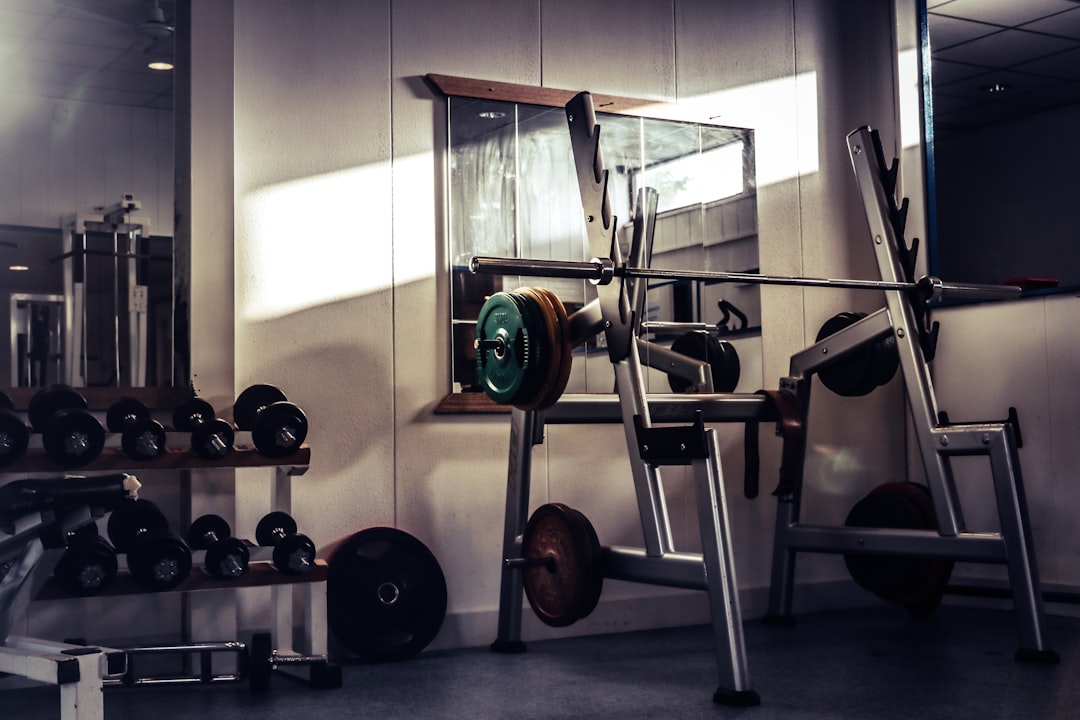
Let’s face it: gym memberships can be expensive, and commuting to a fitness center isn’t always convenient. Building a home gym doesn’t have to drain your bank account. With a little planning and creativity, you can create a workout space that fits your budget and meets your fitness goals. Whether you’re a busy parent, a student, or someone just looking to save money, here’s how to get started.
Start with the Essentials

You don’t need a room full of fancy equipment to get a great workout. Focus on versatile, multi-purpose items that deliver maximum value. Here’s a quick list of basics to consider:
- Resistance bands: Affordable, portable, and perfect for strength training.
- Dumbbells: A pair of adjustable dumbbells can replace an entire rack.
- Yoga mat: Essential for floor exercises and stretching.
- Jump rope: An inexpensive way to get your cardio in.
These items alone can cover a wide range of exercises, from strength training to cardio. If you’re just starting out, prioritize these before investing in anything else.
Set a Budget and Stick to It

Before you start shopping, decide how much you’re willing to spend. A budget keeps you focused and prevents impulse buys. For example, Sarah, a small business owner, set her limit at $200 and prioritized items she’d use daily. She skipped the treadmill and opted for a set of resistance bands and a yoga mat instead.
Here’s a simple breakdown of how to allocate your budget:
| Item | Estimated Cost |
|---|---|
| Resistance Bands | $20–$40 |
| Adjustable Dumbbells | $50–$100 |
| Yoga Mat | $15–$30 |
| Jump Rope | $10–$20 |
Shop Smart: Find Deals and Discounts
You don’t have to buy everything brand new. Look for second-hand equipment online or at local stores. Websites like Facebook Marketplace, Craigslist, and eBay often have gently used fitness gear at a fraction of the cost. For example, Mark, a college student, scored a nearly new set of dumbbells for half the retail price.
Here are a few tips for finding deals:
- Check clearance sections at sporting goods stores.
- Sign up for newsletters to get discount codes.
- Wait for holiday sales like Black Friday or Cyber Monday.
DIY Equipment: Save Even More
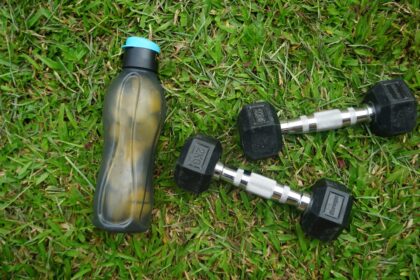
If you’re really tight on cash, get creative. Household items can double as workout tools. A sturdy chair can be used for step-ups or tricep dips, and water bottles filled with sand make great makeshift weights. Jessica, a busy mom of three, uses her stairs for cardio and her kids’ toys for added resistance.
“You don’t need expensive gear to get fit. Sometimes, the simplest solutions work best.”
Plan Your Space Wisely
You don’t need a dedicated room to build a home gym. A corner of your living room, garage, or even a small balcony can work. Clear out clutter and make sure you have enough room to move freely. If space is tight, opt for foldable or compact equipment like a collapsible bench or a yoga mat that can be rolled up and stored.
Avoid These Common Mistakes
When building a home gym on a budget, it’s easy to make a few missteps. Here’s what to watch out for:
- Buying unnecessary equipment: Stick to what you’ll actually use.
- Ignoring quality: Cheap gear might break quickly, costing you more in the long run.
- Overcrowding your space: Keep it simple and functional.
Customize Your Gym for Your Goals
Your home gym should reflect your fitness goals. If you’re into strength training, invest in a good set of dumbbells or a kettlebell. For yoga enthusiasts, a high-quality mat and a few props like blocks and straps are essential. Tom, a marathon runner, added a foam roller and a resistance band to his setup for recovery and stretching.
Here’s a quick guide to tailoring your gym:
| Goal | Recommended Equipment |
|---|---|
| Strength Training | Dumbbells, resistance bands, bench |
| Cardio | Jump rope, mini trampoline, stationary bike |
| Flexibility | Yoga mat, foam roller, yoga blocks |
Keep It Simple and Sustainable
The beauty of a home gym is its simplicity. You don’t need every gadget or machine to stay fit. Start small, add items gradually, and focus on consistency. Remember, the goal is to create a space that motivates you to work out regularly without breaking the bank.
With these tips, you’ll be well on your way to building a home gym that’s both affordable and effective. Whether you’re lifting weights in your garage or stretching on your living room floor, the key is to make it work for you.
Frequently Asked Questions
Start with versatile basics like resistance bands ($20–$40), adjustable dumbbells ($50–$100), a yoga mat ($15–30), and a jump rope ($10–20). These cover strength training, cardio, and flexibility without cluttering your space or budget.
Check Facebook Marketplace, Craigslist, or local thrift stores for gently used gear—like Mark who found dumbbells at half price. Also watch for holiday sales, clearance sections, and sign up for store newsletters for exclusive discounts.
Absolutely. A sturdy chair works for step-ups or tricep dips, water bottles filled with sand substitute for weights, and stairs replace a stair climber. Jessica uses her kids’ toys for resistance—creativity saves money.
Even a small corner works. Clear a 5×5 ft area in a living room, garage, or balcony for basics. Opt for foldable items like collapsible benches or roll-up mats if space is tight—functionality matters more than square footage.
Buying unnecessary gear they won’t use, like treadmills that become clothes racks. Stick to versatile essentials first—Sarah skipped the treadmill for bands and a mat, staying under $200 while meeting her daily needs.
Match equipment to your focus: dumbbells and benches for strength, jump ropes for cardio, or yoga props for flexibility. Tom added a $15 foam roller for marathon recovery—small, targeted investments deliver the most value.