






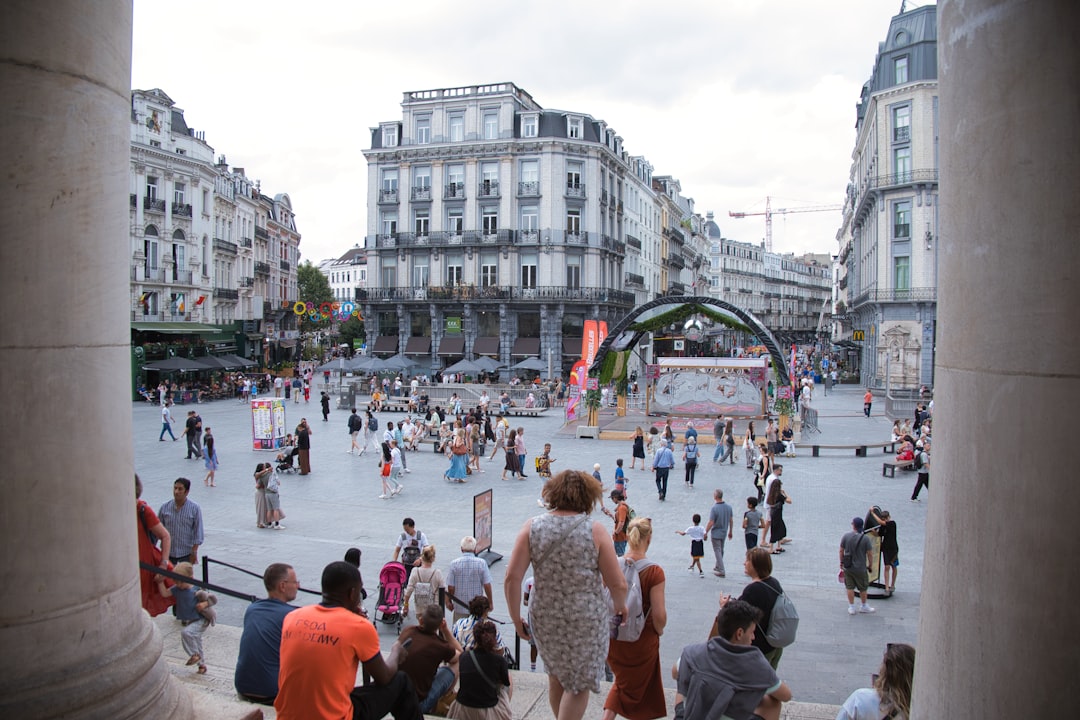
When you think of Europe, cities like Paris, Rome, and Barcelona might come to mind. While these destinations are undeniably stunning, they’re often packed with tourists. But Europe is full of lesser-known gems that offer just as much culture, history, and charm—without the overwhelming crowds. Here are seven underrated cities that deserve a spot on your travel itinerary.
1. Ghent, Belgium

Ghent is often overshadowed by Brussels and Bruges, but this medieval city has its own unique allure. With its cobblestone streets, Gothic architecture, and vibrant arts scene, Ghent feels like stepping into a fairy tale. The Gravensteen Castle and St. Bavo’s Cathedral, home to the famous Ghent Altarpiece, are must-sees.
“Ghent is perfect for travelers who want history without the hustle. You can enjoy a leisurely canal tour or explore local markets without bumping into tour groups.”
2. Ljubljana, Slovenia

Ljubljana is one of Europe’s greenest and most livable cities, yet it remains off the radar for many travelers. The compact city center is pedestrian-friendly, with charming cafes, art galleries, and a picturesque riverfront. Don’t miss Ljubljana Castle, perched on a hill, offering panoramic views of the city.
Why Ljubljana?
- Affordable compared to Western Europe.
- Easy access to nature, including Lake Bled and Triglav National Park.
- A thriving cultural scene with festivals year-round.
3. Valencia, Spain
While Barcelona and Madrid steal the spotlight, Valencia offers a perfect blend of history and modernity. The City of Arts and Sciences is a futuristic architectural marvel, while the historic Old Town boasts Gothic landmarks like Valencia Cathedral. Plus, Valencia is the birthplace of paella—so foodies, take note!
4. Porto, Portugal
Porto is often overshadowed by Lisbon, but this coastal city is a treasure trove of culture. Known for its port wine, colorful Ribeira district, and stunning Douro River views, Porto is both romantic and authentic. The Livraria Lello, one of the world’s most beautiful bookstores, is a must-visit for literature lovers.
Porto vs. Lisbon
| Porto | Lisbon | |
|---|---|---|
| Crowds | Fewer tourists | Busy year-round |
| Cost | More affordable | Slightly pricier |
| Vibe | Quaint and intimate | Lively and cosmopolitan |
5. Tallinn, Estonia
Tallinn’s medieval Old Town is a UNESCO World Heritage Site, complete with cobblestone streets, ancient walls, and Gothic spires. It’s like stepping back in time, yet the city also boasts a thriving tech scene and modern cafes. For a unique experience, visit during the Christmas market season.
6. Bologna, Italy
Often overlooked in favor of Florence or Venice, Bologna is a food lover’s paradise. Known as “La Grassa” (the Fat One), the city is famous for its rich cuisine, including tagliatelle al ragù and mortadella. Bologna also has a rich academic history, with the University of Bologna being the oldest in the world.
What Makes Bologna Special?
- Authentic Italian food without the tourist markup.
- Beautiful porticoes and medieval towers.
- A lively student population that keeps the city vibrant.
7. Plovdiv, Bulgaria
Plovdiv is one of Europe’s oldest cities, with a history spanning over 6,000 years. Its Roman amphitheater, colorful Old Town, and vibrant arts scene make it a cultural hotspot. Plus, Bulgaria’s affordability means you can enjoy world-class experiences without breaking the bank.
Why Choose These Hidden Gems?
Traveling to these overlooked cities allows you to experience Europe’s rich culture in a more intimate and authentic way. Whether you’re a history buff, a foodie, or simply someone who enjoys wandering off the beaten path, these destinations offer something for everyone.
So next time you plan a European trip, consider swapping the crowds for charm. You might just find your new favorite city.
Frequently Asked Questions
Here are some helpful FAQs based on the article:
Absolutely! While Bruges is picturesque, Ghent offers a more lived-in medieval charm with fewer crowds. Highlights like Gravensteen Castle and St. Bavo’s Cathedral feel more authentic, and the local arts scene is thriving. Plus, canal tours here are quieter and cheaper.
Ljubljana combines affordability with quality—think €3 coffees in scenic riverside cafes and free walking tours. It’s also a gateway to Slovenia’s stunning nature; Lake Bled is just an hour away. The compact size means you can explore major sights in a day without rushing.
December is magical for its Christmas markets, but May–September offers milder weather for exploring the Old Town. Winter brings fewer tourists and lower hotel rates, while summer lets you enjoy outdoor cafes and festivals.
Porto’s food scene is more traditional, focusing on hearty dishes like francesinha sandwiches and bacalhau. Wine tastings along the Douro River are half the price of Lisbon’s, and the Ribeira district has cozier, family-run taverns.
Yes—if you want authentic Emilia-Romagna cuisine without tourist traps. A plate of handmade tortellini costs €10–12 in local osterias versus €18+ in Florence. The city’s food markets (like Mercato di Mezzo) are where chefs shop, not just visitors.
With 6,000 years of history, it rivals Rome’s ruins (like its Roman amphitheater) but sees 90% fewer tourists. A three-course meal costs under €20, and the Kapana arts district feels like Berlin’s Kreuzberg—but with Balkan charm.