






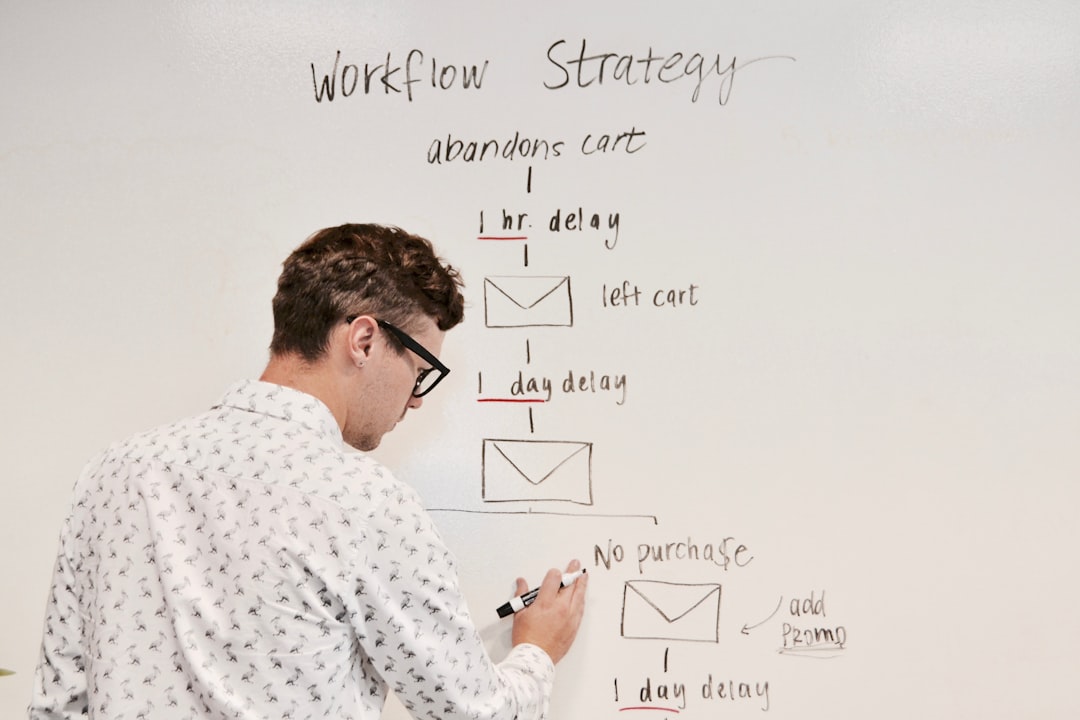
Generating leads doesn’t have to cost a fortune. Whether you’re a small business owner, a busy parent running a side hustle, or a student launching a startup, there are plenty of affordable ways to attract potential customers. Here are seven proven strategies to help you build a steady pipeline of leads without draining your budget.
1. Leverage Social Media Engagement

Social media is a goldmine for lead generation, and it’s free to use. Platforms like Instagram, Facebook, and LinkedIn allow you to connect directly with your audience. But it’s not just about posting—engagement is key.
Take Sarah, a bakery owner in Austin. She started posting behind-the-scenes videos of her baking process and responding to every comment on her posts. Within months, her follower count doubled, and she saw a 30% increase in orders. The secret? Being authentic and interactive.
Here’s how to get started:
- Identify where your audience hangs out (e.g., Instagram for visuals, LinkedIn for B2B).
- Post consistently but focus on quality over quantity.
- Engage with comments, DMs, and shares to build relationships.
2. Create Valuable Content

Content marketing is one of the most cost-effective ways to attract leads. By sharing useful information, you position yourself as an expert and build trust with your audience.
For example, John, a freelance graphic designer, started a blog sharing tips on logo design. He included free templates in his posts and linked them to his portfolio. Over time, his blog became a go-to resource, and he landed several clients through it.
Types of content to consider:
- Blog posts
- Videos
- Infographics
- Ebooks or guides
Pro Tip: Repurpose Your Content
Turn a blog post into a video or break it down into social media snippets. This maximizes your effort and reaches different audiences.
3. Use Email Marketing
Email marketing remains one of the most effective ways to nurture leads. It’s personal, direct, and affordable. Start by building an email list—offer something valuable, like a free checklist or discount, in exchange for sign-ups.
Emma, a fitness coach, sends weekly newsletters with workout tips and healthy recipes. She includes a call-to-action at the end, like “Book a free consultation today.” This simple strategy keeps her leads engaged and converts them into paying clients.
Here’s how to make email marketing work:
- Use a tool like Mailchimp or ConvertKit to manage your list.
- Segment your audience for personalized messages.
- Include clear CTAs to guide readers to the next step.
4. Collaborate with Influencers
Influencer marketing doesn’t have to mean working with celebrities. Micro-influencers—those with smaller but highly engaged followings—can be more affordable and effective.
Mark, a skincare brand owner, partnered with a local beauty blogger to promote his products. The blogger’s authentic review led to a 20% increase in sales. The cost? A few free products and a small fee.
Steps to find the right influencer:
- Look for influencers in your niche.
- Check their engagement rate (likes, comments, shares).
- Start with a small collaboration to test the waters.
5. Optimize for SEO
Search engine optimization (SEO) helps your website rank higher in search results, driving organic traffic. It’s a long-term strategy but incredibly cost-effective.
Lisa, a travel blogger, focused on optimizing her blog posts for keywords like “best budget travel destinations.” Within six months, her site traffic tripled, and she started earning affiliate income.
Quick SEO tips:
- Use tools like Google Keyword Planner to find relevant keywords.
- Write meta descriptions and alt text for images.
- Ensure your site is mobile-friendly.
Pro Tip: Track Your Progress
Use Google Analytics to monitor your traffic and see which keywords are driving the most visits.
6. Host Free Webinars or Workshops
Webinars are a great way to showcase your expertise and connect with potential leads. They’re also relatively inexpensive to organize.
For instance, Alex, a financial advisor, hosted a free webinar on “How to Save for Retirement in Your 20s.” He promoted it on social media and collected email sign-ups from attendees. After the webinar, he followed up with personalized emails and converted 15% of attendees into clients.
How to host a successful webinar:
- Choose a topic that solves a specific problem.
- Promote it through your email list and social media.
- Follow up with attendees afterward.
7. Utilize Referral Programs
Word-of-mouth marketing is powerful and costs next to nothing. Encourage your existing customers to refer others by offering incentives.
Take Rachel’s online store, for example. She launched a referral program where customers earned points for every friend they brought in. Those points could be redeemed for discounts. Within three months, her sales increased by 25%.
Steps to create a referral program:
- Decide on an incentive (discounts, freebies, etc.).
- Make it easy for customers to share your business.
- Track referrals and reward participants promptly.
Which Strategy Should You Start With?
Not sure where to begin? Here’s a quick comparison to help you decide:
| Strategy | Cost | Time Commitment | Best For |
|---|---|---|---|
| Social Media Engagement | Low | Moderate | Visual brands, local businesses |
| Content Creation | Low | High | Bloggers, educators |