





You love the grind—the early mornings, the sweat, the progress. But what if your dedication is backfiring? Overtraining sneaks up on even the most disciplined athletes, leaving them exhausted, injured, or worse. Here’s how to spot the warning signs and dial it back the right way.
- What Does Overtraining Really Look Like?
- The 5 Red Flags You Can’t Ignore
- 1. You’re Always Exhausted (Not Just Tired)
- 2. Your Performance Is Declining
- 3. You’re Moody or Depressed
- 4. Frequent Illness or Injuries
- 5. You Can’t Sleep (Even Though You’re Exhausted)
- How to Scale Back Without Losing Progress
- Real-Life Recovery: Two Examples
- When to See a Professional
- Frequently Asked Questions
What Does Overtraining Really Look Like?

Overtraining isn’t just feeling sore after leg day. It’s a systemic breakdown where your body can’t recover from relentless stress. Take Sarah, a marathoner who kept adding miles despite nagging knee pain. Two months later, she was sidelined with a stress fracture. Or Jake, a CrossFit enthusiast who bragged about “no days off” until his strength plummeted and he caught every cold going around.
“Overtraining is like driving your car nonstop without refueling—eventually, you’ll break down,” says Dr. Lisa Hamilton, sports medicine specialist.
The 5 Red Flags You Can’t Ignore

1. You’re Always Exhausted (Not Just Tired)
Normal fatigue fades after rest. Overtraining fatigue sticks like glue. If you’re sleeping 8 hours but still dragging through workouts—or needing naps just to function—your nervous system is fried. A 2022 study in the Journal of Strength and Conditioning found overtrained athletes had cortisol levels 28% higher than their well-recovered peers.
2. Your Performance Is Declining
That 200-lb deadlift now feels impossible? You’re running slower despite training harder? These aren’t just bad days—they’re classic symptoms. Your muscles and energy systems are too depleted to adapt.
3. You’re Moody or Depressed
Exercise usually boosts mood, but excessive training does the opposite. Overtraining spikes stress hormones, which can lead to irritability, anxiety, or even depression. One study linked overtraining to a 56% increase in depressive symptoms among competitive swimmers.
4. Frequent Illness or Injuries
More than three colds a year? Constant tweaks or strains? Overtraining weakens immunity and connective tissues. Your body’s repair systems are overwhelmed.
5. You Can’t Sleep (Even Though You’re Exhausted)
Paradoxical but true: Overtraining often causes restless sleep or insomnia. High cortisol and adrenaline make it hard to wind down.
| Symptom | Normal Training | Overtraining |
|---|---|---|
| Fatigue | Resolves with rest | Persists for weeks |
| Recovery Time | 1-2 days | 4+ days |
| Motivation | Excited to train | Dreading workouts |
How to Scale Back Without Losing Progress
Cutting back feels scary—what if you lose gains? But smart recovery protects your long-term results. Here’s how to do it:
- Drop Volume by 50% for 1-2 Weeks
Reduce sets, reps, or sessions—not intensity. Example: If you lift 5 days/week, switch to 3 with lighter accessory work. - Prioritize Sleep and Nutrition
Aim for 7-9 hours of sleep and eat 20-30% more protein. Magnesium and omega-3s help reduce inflammation. - Swap HIIT for Low-Intensity Cardio
Walk, swim, or cycle at a conversational pace. These activities promote recovery without strain. - Try a Deload Week Every 4-6 Weeks
Pro athletes do this religiously. Cut weight by 30-40% but keep movements the same to maintain neuromuscular patterns. - Track Your Heart Rate Variability (HRV)
Apps like Whoop or Oura measure recovery readiness. An HRV drop of 10%+ signals you need rest.
Real-Life Recovery: Two Examples
The Powerlifter Who Bounced Back
Mark, 34, kept missing PRs despite training six days a week. After scaling back to four sessions (with two deload weeks), his squat jumped 25 lbs in eight weeks. “Less was more,” he says.
The Yoga Teacher Who Hit Pause
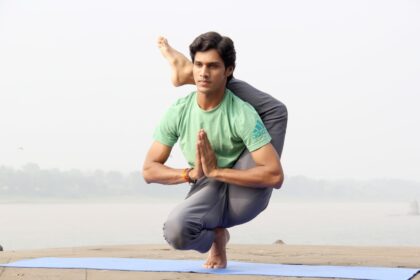
Priya taught 12 hot yoga classes weekly until wrist pain forced her to stop. She took three weeks off, added strength training, and now teaches injury-free. “I thought rest was lazy. It saved my career.”
When to See a Professional
If symptoms persist after 2-3 weeks of rest, consult a sports doctor or dietitian. Blood tests can check for deficiencies (like iron or vitamin D), while physiotherapists can address movement imbalances.
Remember: Fitness is a marathon, not a sprint. Listening to your body isn’t weakness—it’s the smartest training strategy you’ll ever use.
Frequently Asked Questions
Here are 4 helpful FAQs based on the article:
Normal fatigue improves with rest, while overtraining symptoms persist for weeks. Key signs include needing naps despite full sleep, declining performance (like struggling with weights you usually lift), and mood changes. If you’ve had 3+ colds this year or nagging injuries, that’s another red flag.
No—strategic recovery often improves results. Try reducing training volume by 50% for 1-2 weeks while maintaining intensity. For example, if you normally lift 5 days/week, switch to 3 days with lighter accessory work. Many athletes, like the powerlifter in the article, actually gain strength after scaling back.
Prioritize sleep (7-9 hours), increase protein intake by 20-30%, and swap high-intensity workouts for low-impact cardio like walking or swimming. Magnesium and omega-3 supplements can help reduce inflammation. Track your heart rate variability (HRV) with apps like Whoop—a 10% drop signals you need more rest.
Every 4-6 weeks, reduce training weight by 30-40% while keeping the same movements. This maintains neuromuscular patterns without strain. Competitive athletes use this method religiously—it’s why the yoga teacher in the article returned stronger after her 3-week break.
If symptoms like fatigue, insomnia, or performance slumps last beyond 2-3 weeks of rest, consult a sports medicine specialist. They can check for deficiencies (iron, vitamin D) or hidden injuries. Persistent joint pain or extreme mood changes warrant immediate attention.