





When life gets busy, it’s easy to let your health take a backseat. But small, consistent changes can make a big difference. Whether you’re a student juggling exams, a parent managing a household, or a professional with a packed schedule, these practical ideas for health and wellness can help you feel better and live more fully.
Start with Small, Manageable Changes

Big goals can feel overwhelming, but tiny habits are easier to stick with. Here’s how to start:
- Hydrate First Thing: Drink a glass of water as soon as you wake up. It jumpstarts your metabolism and helps you feel more alert.
- Take Short Walks: Even 10 minutes of walking can improve your mood and energy levels. Try a quick stroll during your lunch break or after dinner.
- Practice Deep Breathing: Spend 2 minutes each day focusing on your breath. It’s a simple way to reduce stress and center yourself.
Jessica, a small business owner, shared how these small changes transformed her routine: “I started drinking water first thing and taking a walk after lunch. It’s amazing how much more focused and energized I feel.”
Focus on Nutrition That Works for You

Healthy eating doesn’t have to mean strict diets or cutting out your favorite foods. Here are some realistic tips:
- Add more veggies to your meals. For example, toss spinach into your smoothie or add roasted carrots to your pasta.
- Choose whole foods over processed ones. Swap sugary snacks for nuts or fruit.
- Plan meals ahead of time. Meal prepping can save time and reduce the temptation to grab unhealthy options.
As the saying goes,
“Eat food, not too much, mostly plants.”
This simple philosophy keeps nutrition manageable and enjoyable.
Make Movement a Daily Habit
Exercise doesn’t have to mean hours at the gym. Find ways to move that fit your lifestyle:
| Activity | Time Commitment | Benefits |
|---|---|---|
| Yoga | 15–30 minutes | Improves flexibility and reduces stress |
| Dancing | 10–20 minutes | Boosts mood and burns calories |
| Strength Training | 20–30 minutes | Builds muscle and increases metabolism |
Mark, a busy dad, found that dancing with his kids in the living room became his favorite way to stay active. “It’s fun, and I don’t even realize I’m exercising,” he says.
Prioritize Mental Health
Physical health is important, but mental well-being is just as crucial. Here’s how to support your mind:
- Set Boundaries: Learn to say no to things that drain your energy. Protect your time and mental space.
- Practice Gratitude: Write down three things you’re thankful for each day. It shifts your focus to the positive.
- Connect with Others: Spend time with friends or family, even if it’s just a quick phone call.
Sarah, a college student, started journaling her gratitude every night. “It’s helped me feel more grounded and less overwhelmed by schoolwork,” she explains.
Create a Sleep Routine
Sleep is the foundation of good health. Yet, many of us struggle to get enough rest. Try these tips:
- Set a consistent bedtime and wake-up time, even on weekends.
- Avoid screens for at least an hour before bed. Instead, read a book or listen to calming music.
- Create a relaxing bedtime ritual, like sipping herbal tea or doing light stretches.
According to the National Sleep Foundation, adults need 7–9 hours of sleep each night. Prioritizing rest can improve your mood, focus, and overall health.
Build a Support System
Health and wellness are easier when you have support. Surround yourself with people who encourage your goals:
- Join a fitness class or wellness group to meet like-minded individuals.
- Share your goals with a friend or family member who can hold you accountable.
- Seek professional help if needed, such as a nutritionist, therapist, or personal trainer.
Tom, a retiree, found motivation by joining a local walking club. “It’s great to have people to chat with while we walk. It makes exercise feel less like a chore,” he says.
Track Your Progress
Keeping track of your efforts can help you stay motivated and celebrate small wins. Here’s how:
- Use a journal or app to log your daily habits, like water intake or steps taken.
- Set monthly goals and review them regularly. Adjust as needed to stay on track.
- Reward yourself for milestones. Treat yourself to something you enjoy, like a new book or a relaxing massage.
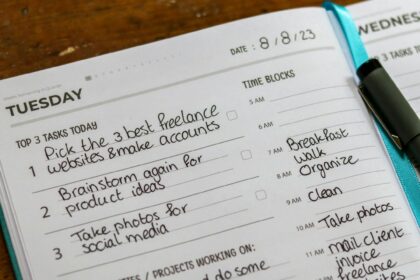
Tracking doesn’t have to be complicated. Even a simple checklist on your fridge can remind you of your priorities.
Stay Flexible and Kind to Yourself
Life is unpredictable, and setbacks happen. The key is to stay flexible and avoid self-criticism. If you miss a workout or indulge in dessert, don’t dwell on it. Just get back on track the next day.
As you explore these practical ideas for health and wellness, remember that progress is more important than perfection. Small, consistent efforts add up over time, leading to lasting improvements in your physical and mental well-being.
Frequently Asked Questions
Focus on small, manageable changes like drinking a glass of water first thing in the morning or taking a 10-minute walk. These tiny habits are easier to stick with and can make a big difference over time.
Add more veggies to your meals, like tossing spinach into a smoothie or roasting carrots for pasta. Swap processed snacks for whole foods like nuts or fruit, and plan meals ahead to avoid unhealthy temptations.
Find activities that fit your lifestyle, like 15 minutes of yoga, dancing for 10 minutes, or strength training for 20–30 minutes. Even small bursts of movement can boost your mood and energy.
Set boundaries to protect your time, practice gratitude by writing down three things you’re thankful for daily, and connect with loved ones, even if it’s just a quick phone call.
Set a consistent bedtime, avoid screens for at least an hour before bed, and create a relaxing ritual like sipping herbal tea or doing light stretches. Aim for 7–9 hours of sleep each night.
Track your progress with a journal or app, set monthly goals, and reward yourself for milestones. Surround yourself with supportive people, like joining a fitness class or sharing goals with a friend.