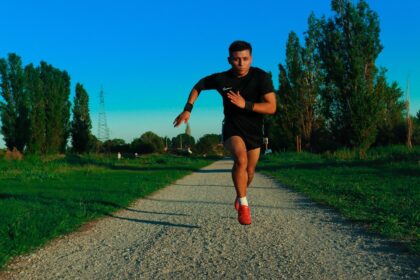






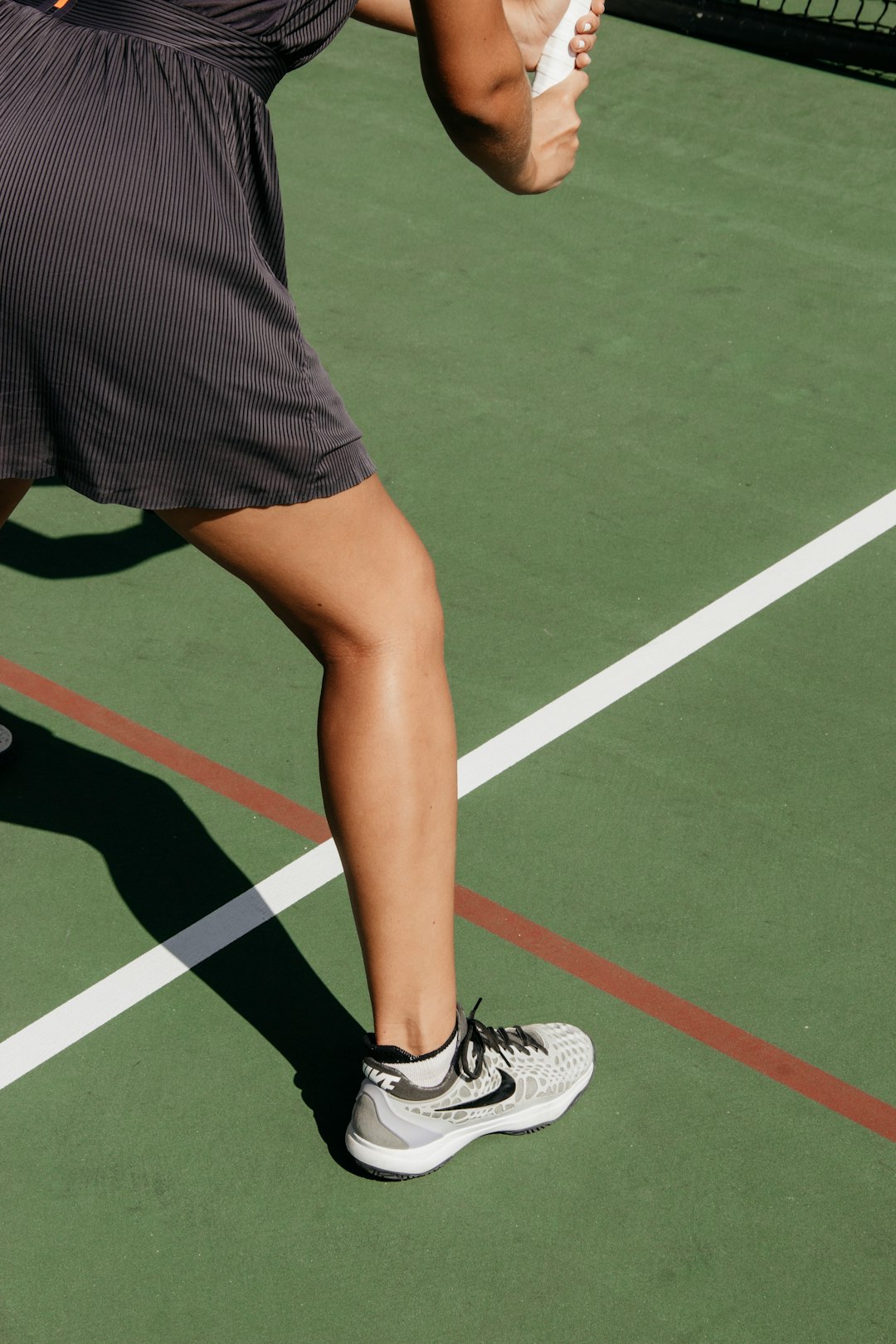
Whether you’re a busy parent, a student juggling classes, or someone recovering from an injury, bad knees don’t have to derail your fitness goals. You can still build strength, improve endurance, and stay active—you just need to tweak your approach. Here’s how to modify exercises for bad knees without losing results.
Why Knee-Friendly Workouts Matter

Knee pain affects millions of people, and it’s not just athletes or older adults. Poor posture, repetitive movements, or even sitting too long can strain your knees. Ignoring the pain and pushing through high-impact exercises can make things worse. But avoiding exercise altogether isn’t the answer. Staying active strengthens the muscles around your knees, which helps support and stabilize the joint.
Take Sarah, a small business owner who loves running. After years of pounding the pavement, her knees started to ache. Instead of giving up on fitness, she switched to low-impact workouts like swimming and cycling. Not only did her knee pain improve, but she also maintained her cardio fitness and even shed a few pounds.
Key Principles for Knee-Friendly Modifications

When adapting exercises for knee health, keep these principles in mind:
- Reduce Impact: Swap high-impact moves like jumping for gentler alternatives.
- Focus on Form: Proper alignment protects your knees and maximizes results.
- Strengthen Supporting Muscles: Build up your quads, hamstrings, and glutes to take pressure off your knees.
- Listen to Your Body: Pain is a signal—stop or modify any exercise that causes discomfort.
Common Mistakes to Avoid
Even well-meaning exercisers can make mistakes that aggravate knee pain. For example:
- Doing deep squats without proper form.
- Ignoring warm-ups and cool-downs.
- Overloading with heavy weights too soon.
By avoiding these pitfalls, you can protect your knees and still get a great workout.
Exercise Modifications That Work
Here’s how to adapt popular exercises for bad knees:
1. Squats
Squats are a staple for building lower body strength, but deep squats can strain your knees. Instead:
- Limit your range of motion—stop when your thighs are parallel to the floor.
- Use a chair for support or try wall squats.
- Focus on pushing through your heels, not your toes.
For example, Mark, a college student with knee pain, switched to chair squats. He found they were just as effective for building leg strength without discomfort.
2. Lunges
Lunges can be tough on knees, especially if you step too far forward. Modify them by:
- Shortening your stride to reduce knee bend.
- Using a stability ball or wall for balance.
- Trying reverse lunges, which put less stress on your knees.
3. Running
If running hurts your knees, consider these alternatives:
| Activity | Benefits |
|---|---|
| Swimming | Low-impact cardio that strengthens muscles |
| Cycling | Builds endurance without jarring your knees |
| Elliptical Training | Mimics running motion with minimal impact |
Building Strength Without Strain
Strength training is essential for knee health, but it’s important to choose the right exercises. Here’s a knee-friendly routine:
- Leg Press: Use a machine to control the range of motion and reduce knee strain.
- Step-Ups: Step onto a low bench or platform to strengthen your legs gently.
- Hamstring Curls: Use a resistance band or machine to target the back of your thighs.
“Focus on controlled movements and lighter weights. It’s not about how much you lift—it’s about how well you move.” – Physical Therapist, Dr. Emily Carter
Staying Consistent with Knee-Friendly Fitness
Consistency is key to seeing results, even with modified exercises. Here are tips to stay on track:
- Set realistic goals—start with 2-3 workouts per week.
- Track your progress to stay motivated.
- Mix it up to keep workouts interesting and avoid overuse injuries.
For instance, Anna, a busy mom of two, schedules short workouts during her kids’ nap time. She alternates between yoga, swimming, and strength training to keep things fresh.
When to Seek Professional Help
If knee pain persists or worsens, consult a physical therapist or doctor. They can assess your condition and recommend personalized exercises. Remember, modifying workouts for bad knees isn’t about giving up—it’s about finding smarter ways to stay fit and healthy.
By making thoughtful adjustments, you can protect your knees while still achieving your fitness goals. Whether you’re lifting weights, doing cardio, or stretching, there’s always a way to adapt. So lace up those sneakers and get moving—your knees will thank you.
Frequently Asked Questions
If running hurts your knees, try swimming, cycling, or elliptical training. These activities provide excellent cardio benefits without the jarring impact on your joints. For example, swimming strengthens muscles while keeping your knees safe, and cycling builds endurance without strain.
Instead of deep squats, limit your range of motion—stop when your thighs are parallel to the floor. Use a chair for support or try wall squats to reduce pressure on your knees. Focus on pushing through your heels to maintain proper alignment and minimize discomfort.
Focus on building strength in your quads, hamstrings, and glutes. These muscles help stabilize and support your knee joints, reducing strain. Exercises like leg presses, step-ups, and hamstring curls are excellent knee-friendly options to strengthen these areas.
Listen to your body—pain is a signal to stop or modify an exercise. Focus on proper form and alignment, and avoid movements that cause discomfort. If you’re unsure, consult a physical therapist for personalized guidance on safe exercises for your specific condition.
Absolutely! Modifying exercises doesn’t mean sacrificing results. For example, chair squats or reverse lunges can still build strength effectively. Low-impact activities like swimming or cycling provide excellent cardio benefits while protecting your knees. Consistency and proper form are key.
If knee pain persists or worsens despite modifications, consult a physical therapist or doctor. They can assess your condition and recommend tailored exercises or treatments. Seeking help early can prevent further injury and ensure you stay on track with your fitness goals.