




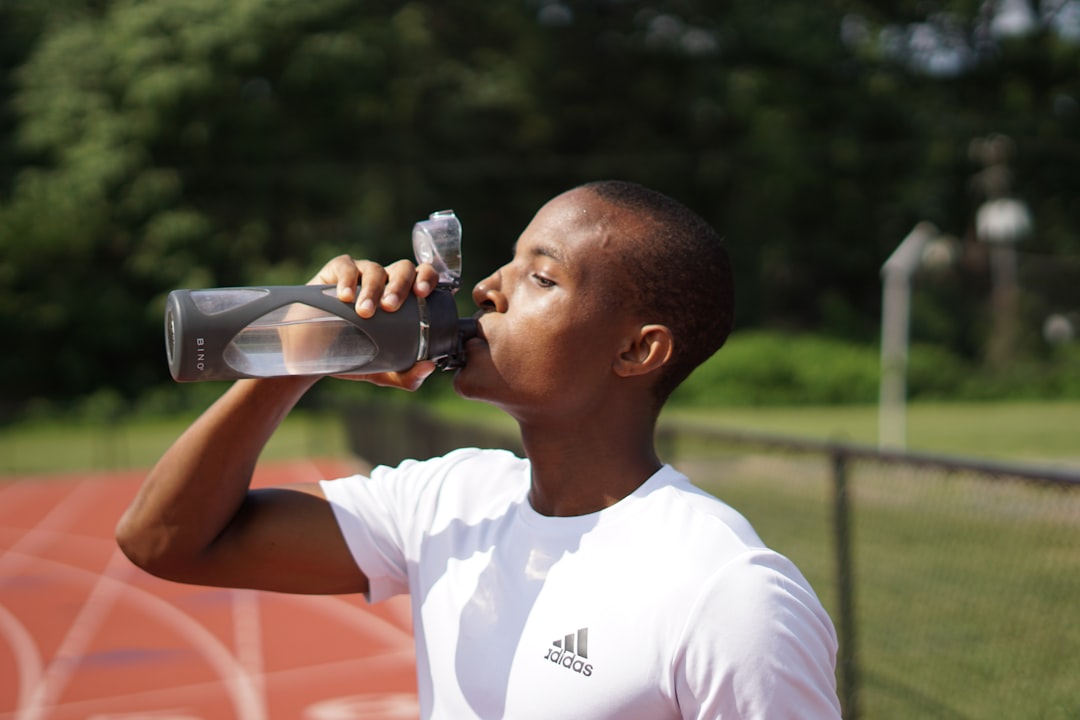
Let’s face it: exercising in hot weather can be tough. Whether you’re training for a marathon, hitting the gym, or just going for a jog, dehydration can sneak up on you quickly. Sweating more means losing fluids faster, and if you’re not careful, it can lead to fatigue, cramps, or even heat exhaustion.
The good news? Staying hydrated doesn’t have to be complicated. With a few simple strategies, you can keep your body fueled and ready to tackle any workout, even under the scorching sun. Here are five practical tips to help you stay hydrated and perform your best.
1. Start Hydrating Before You Begin

Hydration isn’t just about drinking water during your workout—it starts long before you lace up your shoes. Think of your body like a sponge: if it’s already soaked, it can handle the heat much better.
Aim to drink at least 16–20 ounces of water 2–3 hours before your workout. This gives your body time to absorb the fluids and prepare for the sweat session ahead. If you’re planning an intense or prolonged session, consider adding a pinch of salt to your water to help retain electrolytes.
“Pre-hydration is like filling up your gas tank before a road trip. You don’t want to start on empty.”
2. Know Your Sweat Rate

Everyone sweats differently. A marathon runner might lose more fluids than someone doing yoga, but even within the same activity, sweat rates vary. Understanding how much you sweat can help you tailor your hydration strategy.
Here’s a simple way to estimate your sweat rate:
- Weigh yourself before your workout.
- Exercise for an hour without drinking water.
- Weigh yourself again after the workout.
Each pound lost equals about 16 ounces of fluid. Use this number to guide how much you should drink during similar workouts in the future.
3. Don’t Skip Electrolytes
Water alone isn’t always enough. When you sweat, you lose essential electrolytes like sodium, potassium, and magnesium. These minerals help regulate muscle function, nerve signals, and fluid balance in your body.
For shorter workouts (under an hour), water is usually sufficient. But for longer or more intense sessions, consider a sports drink or electrolyte tablet. Here’s a quick comparison:
| Option | Pros | Cons |
|---|---|---|
| Sports Drinks | Convenient, contains carbs for energy | Can be high in sugar |
| Electrolyte Tablets | Low-calorie, customizable | Requires mixing with water |
Choose what works best for your needs. For example, a busy parent might grab a sports drink for convenience, while a health-conscious student might opt for electrolyte tablets.
4. Listen to Your Body
Thirst is your body’s way of saying, “Hey, I need water!” But don’t wait until you’re parched to drink. By the time you feel thirsty, you’re already slightly dehydrated.
Pay attention to other signs, too:
- Dark yellow urine
- Dry mouth or lips
- Fatigue or dizziness
If you experience any of these, take a break and rehydrate immediately. Keep a water bottle handy during your workout, and sip regularly—even if you don’t feel thirsty.
What About Overhydration?
Yes, it’s possible to drink too much water. Overhydration, or hyponatremia, occurs when you consume more water than your body can process, diluting your sodium levels. This is rare but serious, so aim for balance.
Stick to 7–10 ounces of water every 10–20 minutes during intense workouts. If you’re sweating heavily, alternate between water and an electrolyte drink.
5. Cool Down and Rehydrate
Your hydration strategy doesn’t end when your workout does. After exercising, your body needs to replenish the fluids and electrolytes it lost.
Within 30 minutes of finishing, drink 16–24 ounces of water or a recovery beverage. If you’ve had a particularly sweaty session, pair it with a snack rich in sodium and potassium, like a banana with salted nuts.
Cooling down is also crucial. Take a few minutes to stretch in the shade or indoors, allowing your body temperature to drop gradually. This helps reduce fluid loss and prevents post-workout fatigue.
Real-Life Hydration Scenarios
Let’s put these tips into context with a few examples:
The Busy Parent
Sarah, a mom of two, squeezes in her workouts during lunch breaks. She keeps a reusable water bottle in her bag and sips throughout the morning. Before her run, she drinks a glass of water with a pinch of salt. Afterward, she enjoys a smoothie with coconut water and a handful of spinach to replenish electrolytes.
The College Athlete
Jake, a soccer player, trains for two hours daily in the summer heat. He weighs himself before and after practice to track his sweat rate. During workouts, he carries a hydration pack with electrolyte tablets mixed in. Post-training, he snacks on watermelon and a handful of pretzels for a quick sodium boost.
The Weekend Warrior
Emma, a graphic designer, loves hiking on weekends. She starts her day with a big glass of water and packs a liter in her backpack. On longer hikes, she brings electrolyte chews for a quick energy and hydration boost.
Hydration Myths Debunked
There’s a lot of misinformation out there about hydration. Let’s clear up a few common myths:
- Myth: You need to drink 8 glasses of water a day no matter what. Truth: Your needs depend on your activity level, climate, and body size.
- Myth: Sports drinks are always better than water. Truth: They’re helpful for intense workouts but unnecessary for light activity.
Frequently Asked Questions
Aim for 16–20 ounces of water 2–3 hours before exercising. This gives your body time to absorb the fluids and prepare for sweating. For intense sessions, add a pinch of salt to help retain electrolytes.
Estimate your sweat rate by weighing yourself before and after an hour of exercise without drinking water. Each pound lost equals about 16 ounces of fluid. Use this number to guide your hydration during similar workouts.
Not always. For workouts under an hour, water is usually enough. For longer or more intense sessions, consider a sports drink or electrolyte tablet to replace lost sodium, potassium, and magnesium.
Look out for dark yellow urine, a dry mouth, fatigue, or dizziness. These are your body’s signals to rehydrate immediately. Keep sipping water regularly, even if you don’t feel thirsty.
Yes, overhydration (hyponatremia) is possible but rare. Stick to 7–10 ounces of water every 10–20 minutes during intense exercise. If sweating heavily, alternate between water and an electrolyte drink.
Within 30 minutes of finishing, drink 16–24 ounces of water or a recovery beverage. Pair it with a snack rich in sodium and potassium, like a banana with salted nuts, especially after sweaty sessions.