




Let’s face it: finding time to work out when your schedule is jam-packed can feel impossible. Whether you’re juggling a full-time job, raising kids, or managing a side hustle, carving out minutes for exercise often falls to the bottom of the priority list. But here’s the good news—you don’t need hours at the gym to stay healthy. With a little creativity and the right mindset, you can make fitness a sustainable part of your life.
Why Busy People Struggle With Fitness

It’s not just about time. The real challenge is energy. After a long day of meetings, deadlines, or chasing toddlers, hitting the gym can feel like climbing Mount Everest. Add in the guilt of skipping workouts, and it’s easy to spiral into burnout.
Take Sarah, for example. As a small business owner, she works 12-hour days and barely has time to eat lunch. She tried signing up for a 6 a.m. boot camp class, but after two weeks, she was exhausted and gave up. Sound familiar?
The key isn’t working harder—it’s working smarter. Here’s how.
Start Small: Micro-Workouts Add Up

You don’t need to spend 60 minutes at the gym to see results. Research shows that even 10-minute bursts of exercise can improve your health. The trick is consistency.
- Do a quick bodyweight routine during your lunch break.
- Take the stairs instead of the elevator.
- Squeeze in a 5-minute stretch session before bed.
These small actions might not feel like much, but over time, they add up. Think of it like saving pennies—eventually, you’ll have a fortune.
Schedule Workouts Like Meetings
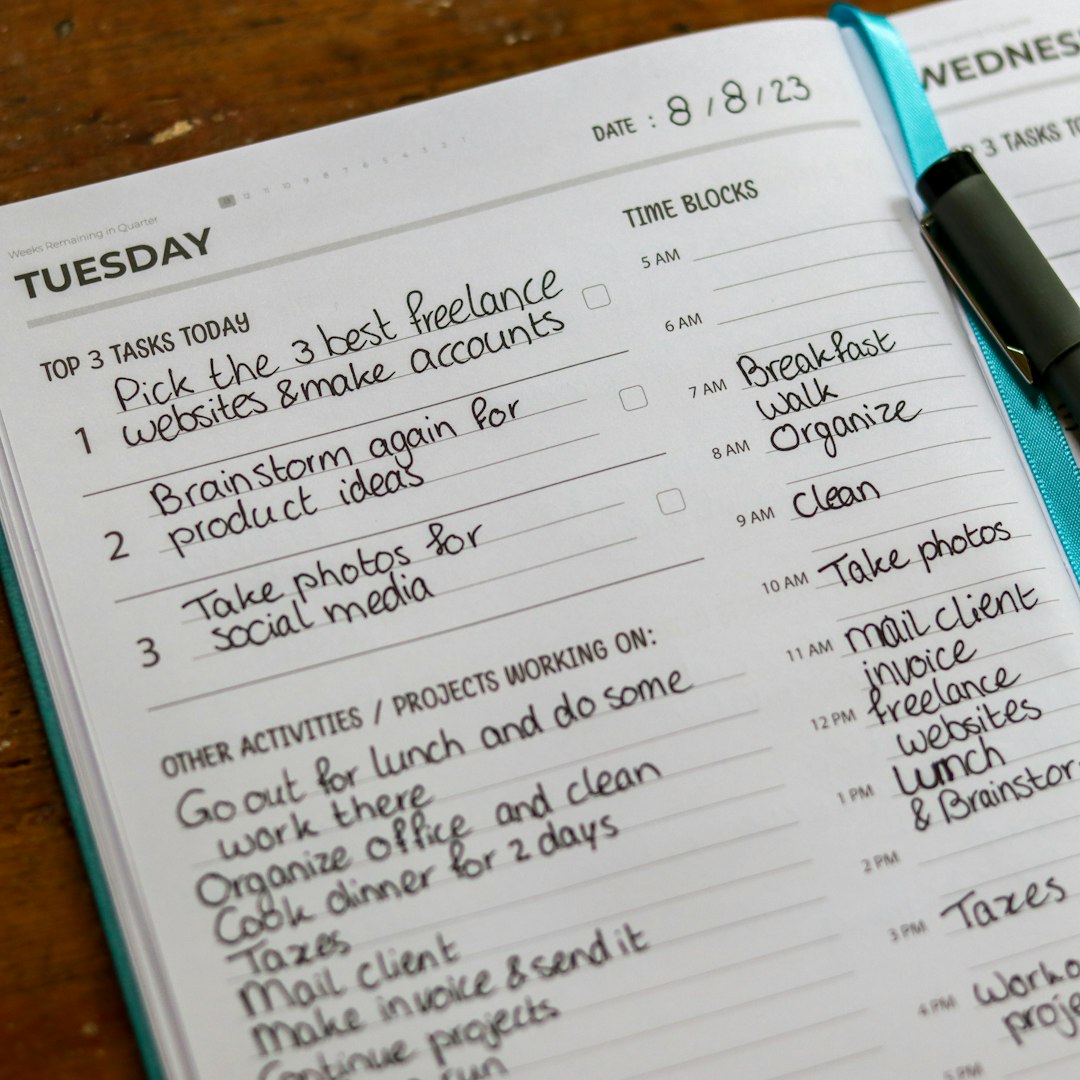
If it’s not on your calendar, it’s not happening. Treat your workout time like a non-negotiable appointment. Block off 20–30 minutes in your day, whether it’s first thing in the morning, during your lunch hour, or right after work.
James, a busy dad of three, swears by this method. “I used to think I’d find time to exercise, but it never happened. Now, I block off 6:30 a.m. every day for a quick run. It’s my ‘me time,’ and it’s made all the difference.”
Choose Workouts That Fit Your Life
Not all exercise is created equal. If you’re short on time, prioritize efficiency. Here’s a quick comparison:
| Workout Type | Time Commitment | Benefits |
|---|---|---|
| High-Intensity Interval Training (HIIT) | 15–20 minutes | Burns calories, boosts metabolism |
| Yoga | 20–30 minutes | Improves flexibility, reduces stress |
| Walking | 30+ minutes | Low impact, improves mood |
Pick something that aligns with your goals and your schedule. If you hate running, don’t force yourself to do it. Find activities you enjoy—whether it’s dancing, cycling, or lifting weights.
Fuel Your Body (and Your Mind)
Exercise is only half the battle. What you eat plays a huge role in how you feel and perform. Skipping meals or relying on junk food can leave you feeling sluggish and unmotivated.
Here’s a simple rule: focus on whole, nutrient-dense foods. Think lean proteins, complex carbs, and healthy fats. And don’t forget to hydrate—dehydration can zap your energy levels.
“You can’t outwork a bad diet. What you put into your body is just as important as how you move it.”
Listen to Your Body
Pushing yourself too hard can lead to burnout or injury. Pay attention to how you feel. If you’re exhausted, take a rest day. If you’re sore, try gentle stretching or yoga. Remember, fitness is a marathon, not a sprint.
Maria, a college student, learned this the hard way. “I was so determined to lose weight that I worked out every single day. After a month, I was burned out and injured. Now, I focus on balance—three workouts a week and plenty of rest.”
Make It Social
Working out doesn’t have to be a solo activity. Invite a friend to join you for a walk, sign up for a group fitness class, or challenge your coworkers to a step-count competition. Having accountability partners can keep you motivated and make exercise more fun.
Pro Tip: Combine Fitness With Other Activities
Multi-tasking can be your best friend. Catch up with a friend during a walk, listen to a podcast while lifting weights, or do squats while brushing your teeth. Every little bit counts.
Track Your Progress
Seeing results can be incredibly motivating. Whether it’s tracking your steps, logging your workouts, or taking progress photos, find a way to measure your success. Apps like MyFitnessPal, Strava, or Fitbit can help you stay on track.
Be Kind to Yourself
Life happens. There will be days when you miss a workout or eat a slice of pizza. That’s okay. Fitness isn’t about perfection—it’s about progress. Celebrate your wins, no matter how small, and keep moving forward.
Staying active with a packed schedule isn’t easy, but it’s possible. By starting small, scheduling wisely, and listening to your body, you can build a fitness routine that works for you—without burning out.
Frequently Asked Questions
Short bursts of activity can be surprisingly effective. Try a quick bodyweight circuit (push-ups, squats, lunges) during a break, take the stairs instead of the elevator, or do a 5-minute stretch session before bed. Consistency matters more than duration.
Focus on high-efficiency workouts like HIIT (15-20 minutes) or yoga (20-30 minutes). These deliver maximum benefits in minimal time. Choose activities you enjoy—whether it’s dancing, cycling, or resistance training—to stay consistent.
Schedule workouts like critical appointments (e.g., 6:30 AM runs) and treat them as non-negotiable. Pair exercise with enjoyable activities, like walking with a friend or listening to podcasts, to make it feel less like a chore.
Absolutely. Bodyweight exercises, walking, and home workouts can be just as effective. The key is progressive challenge—increase reps, speed, or resistance over time. Tracking progress (via apps or photos) helps maintain momentum.
Listen to your body: take rest days when needed, vary workout intensity, and prioritize recovery (stretching, hydration). Maria’s story shows how overtraining backfires—aim for 3-4 balanced sessions weekly instead of daily extremes.
Turn social time into active time: suggest walking meetings, join a recreational sports league, or start a step-count challenge with coworkers. Accountability makes workouts more enjoyable and sustainable.