




Meal prepping doesn’t have to be overwhelming. Whether you’re a busy parent juggling work and kids, a student on a budget, or someone just trying to eat healthier, mastering the art of meal prep can save you time, money, and stress. With a little planning and these 7 tips, you’ll be prepping like a pro in no time.
1. Start Small and Keep It Simple

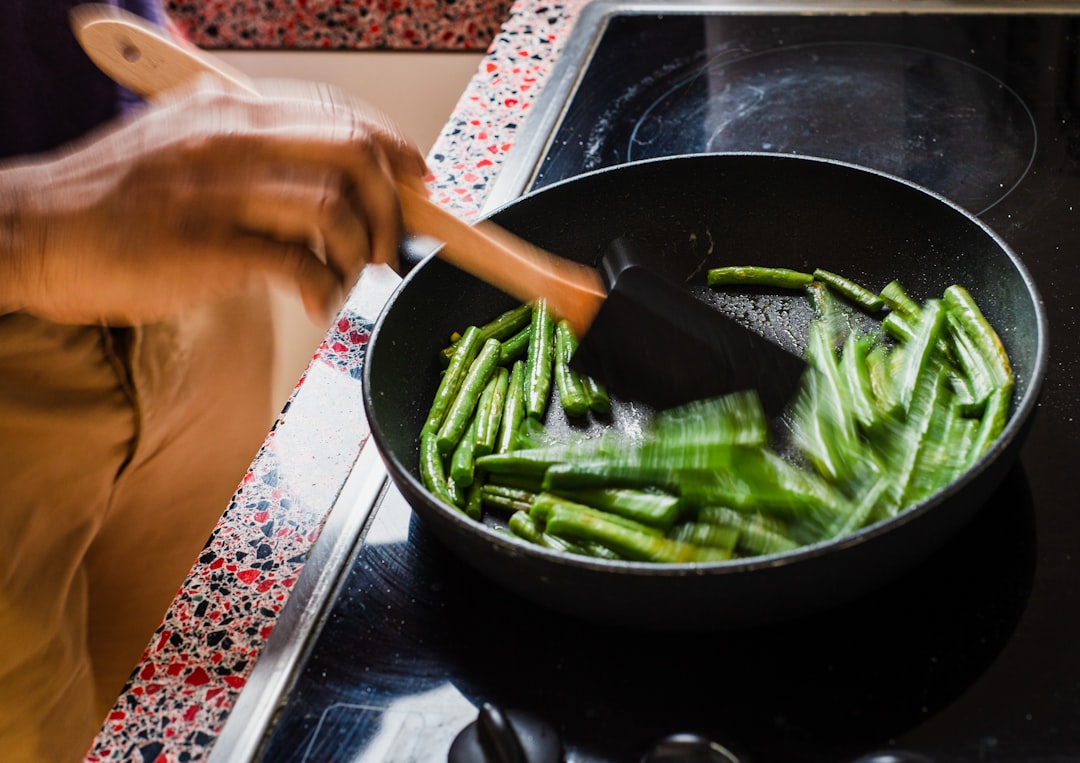
When you’re new to meal prepping, it’s tempting to go all-in. But starting small is key. Instead of prepping every meal for the week, focus on one meal—like lunches or dinners. For example, roast a tray of veggies, grill some chicken, and portion them into containers. Keep your recipes simple and stick to ingredients you already know and love.
“Start with one meal a day. Once you get the hang of it, you can expand to more.”
2. Invest in Quality Containers

Good containers are a game-changer. Look for BPA-free, leak-proof options with compartments to keep your meals fresh and organized. Glass containers are great for reheating, while lightweight plastic works well for on-the-go lunches. Having a set of reliable containers makes meal prep easier and ensures your food stays fresh.
3. Plan Your Meals Ahead of Time
Planning is the backbone of successful meal prep. Spend 10–15 minutes each week brainstorming meals and writing a grocery list. Apps like Pinterest or Mealime can help you find recipes quickly. Planning ahead ensures you have everything you need and prevents last-minute takeout.
Sample Weekly Plan
| Day | Meal |
|---|---|
| Monday | Grilled chicken with quinoa and roasted veggies |
| Tuesday | Turkey chili with brown rice |
| Wednesday | Stir-fry with tofu and broccoli |
4. Batch Cook Staples
Batch cooking is a lifesaver. Cook large quantities of staples like rice, pasta, or roasted vegetables that can be used in multiple meals throughout the week. For example, a big pot of quinoa can serve as a base for salads, stir-fries, or breakfast bowls. It saves time and reduces daily cooking stress.
5. Use Versatile Ingredients
Choose ingredients that can be used in multiple dishes. For instance, chicken breasts can be seasoned differently for tacos, salads, or pasta dishes. Bell peppers, onions, and spinach are versatile veggies that work in almost any meal. This approach minimizes waste and keeps your meals exciting.
6. Schedule Your Prep Day
Pick a day that works best for you—usually Sunday or Monday—and dedicate a few hours to meal prep. Turn on some music or a podcast to make it enjoyable. Focus on tasks that take the longest, like roasting veggies or cooking proteins, and assemble meals as you go. Scheduling your prep day ensures consistency.
7. Store and Label Your Meals
Proper storage is crucial for keeping your meals fresh. Label containers with the date and contents to avoid confusion. Store meals in the fridge or freezer depending on when you plan to eat them. For example, meals for the first three days can go in the fridge, while the rest can be frozen for later in the week.
Why Meal Prep Works
Meal prep isn’t just about saving time—it’s about creating healthier habits. By planning and preparing your meals, you’re less likely to reach for unhealthy snacks or fast food. It also helps you stay on budget by reducing impulse purchases. Plus, having ready-to-eat meals reduces daily decision fatigue.
Take Sarah, a busy mom of two, for example. She started prepping lunches for herself and her kids on Sundays. By Wednesday, she noticed she had more energy and wasn’t tempted by the vending machine at work. Small changes like this can make a big difference.
Ready to give it a try? Start with one or two tips from this list. Maybe it’s investing in containers or planning your meals for the week. Once you see how much easier your week feels, you’ll wonder why you didn’t start sooner.
Frequently Asked Questions
Start small and keep it simple. Focus on prepping just one meal, like lunches or dinners, instead of tackling every meal for the week. For example, roast a tray of veggies, grill some chicken, and portion them into containers. This approach helps you build confidence without feeling overwhelmed.
Invest in quality containers. Look for BPA-free, leak-proof options with compartments to separate foods. Glass containers are ideal for reheating, while lightweight plastic works well for lunches on the go. DailyAdviceHub recommends having a reliable set to make meal prep easier and keep your food fresh.
Spend 10–15 minutes each week brainstorming meals and writing a grocery list. Apps like Pinterest or Mealime can help you find recipes quickly. Planning ahead ensures you have everything you need and reduces the temptation to order takeout.
Batch cook staples like rice, pasta, or roasted vegetables that can be used in multiple meals throughout the week. For instance, a big pot of quinoa can serve as a base for salads, stir-fries, or breakfast bowls. This saves time and minimizes daily cooking stress.
Proper storage is key. Label containers with the date and contents to avoid confusion. Meals for the first three days can go in the fridge, while anything for later in the week can be frozen. This keeps your food fresh and ready to eat.