




Let’s face it: life is hectic. Between work, family, and endless to-do lists, squeezing in a workout often feels impossible. But here’s the good news—building a home workout routine that works for your busy schedule is simpler than you think. You don’t need fancy equipment or hours of free time. With a bit of planning and creativity, you can stay fit without leaving your living room.
- Why Home Workouts Are Perfect for Busy People
- Step-by-Step Guide to Creating Your Routine
- 1. Assess Your Time and Energy
- 2. Choose Exercises You Enjoy
- 3. Focus on Efficiency
- 4. Set a Schedule and Stick to It
- 5. Adapt as Needed
- Sample Routines for Different Lifestyles
- Tips for Staying Motivated
- Essential Equipment (Optional)
- Real-Life Success Stories
- Final Thoughts
- Frequently Asked Questions
Why Home Workouts Are Perfect for Busy People

Home workouts eliminate the biggest barriers to fitness: time and convenience. No commute to the gym, no waiting for machines, and no rigid class schedules. You can exercise whenever it fits into your day—whether that’s early morning, during a lunch break, or after the kids are in bed.
Take Sarah, for example. She’s a small business owner who works 12-hour days. By committing to 20-minute home workouts three times a week, she’s managed to stay consistent and energized—something she struggled with when trying to hit the gym.
Step-by-Step Guide to Creating Your Routine

Ready to get started? Here’s how to design a workout plan that fits seamlessly into your life.
1. Assess Your Time and Energy
Be realistic about how much time you can dedicate to working out. If you’re juggling a packed schedule, start small. Even 10–15 minutes a day can make a difference. Ask yourself:
- When do I have the most energy? Morning, afternoon, or evening?
- What days are less hectic? Can I schedule longer sessions then?
2. Choose Exercises You Enjoy
If you hate running, don’t force yourself to do it. Instead, opt for activities you actually like—whether that’s yoga, strength training, or dancing. Enjoyment is key to staying consistent.
“The best workout is the one you’ll actually do.”
3. Focus on Efficiency
When time is limited, prioritize exercises that deliver maximum results. Compound movements like squats, push-ups, and lunges work multiple muscle groups at once. Pair them with short bursts of cardio for a quick, effective workout.
4. Set a Schedule and Stick to It
Consistency is more important than intensity. Decide on specific days and times for your workouts, and treat them like non-negotiable appointments. Use a calendar or app to track your progress.
5. Adapt as Needed
Life happens. If you miss a session, don’t stress. Adjust your routine to fit your current circumstances. Flexibility is the key to long-term success.
Sample Routines for Different Lifestyles
Here’s how people with different schedules can structure their home workouts:
| Lifestyle | Time Available | Sample Routine |
|---|---|---|
| Busy Parent | 15 minutes | 10 squats, 10 push-ups, 1-minute plank (repeat 3x) |
| Student | 20 minutes | 5-minute warm-up, 10 lunges, 10 burpees, 5-minute cool-down |
| Full-Time Employee | 30 minutes | 15-minute HIIT session, 15-minute yoga flow |
Tips for Staying Motivated
Starting a routine is one thing; sticking to it is another. Here’s how to stay motivated:
- Set Clear Goals: Whether it’s fitting into your favorite jeans or running a 5K, having a goal keeps you focused.
- Track Your Progress: Use a journal or app to record your workouts and celebrate small wins.
- Find Accountability: Share your goals with a friend or join an online fitness community.
- Mix It Up: Avoid boredom by trying new exercises or rotating your routine.
Essential Equipment (Optional)
You don’t need much to get started, but a few basics can enhance your workouts:
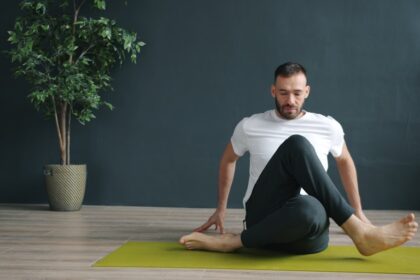
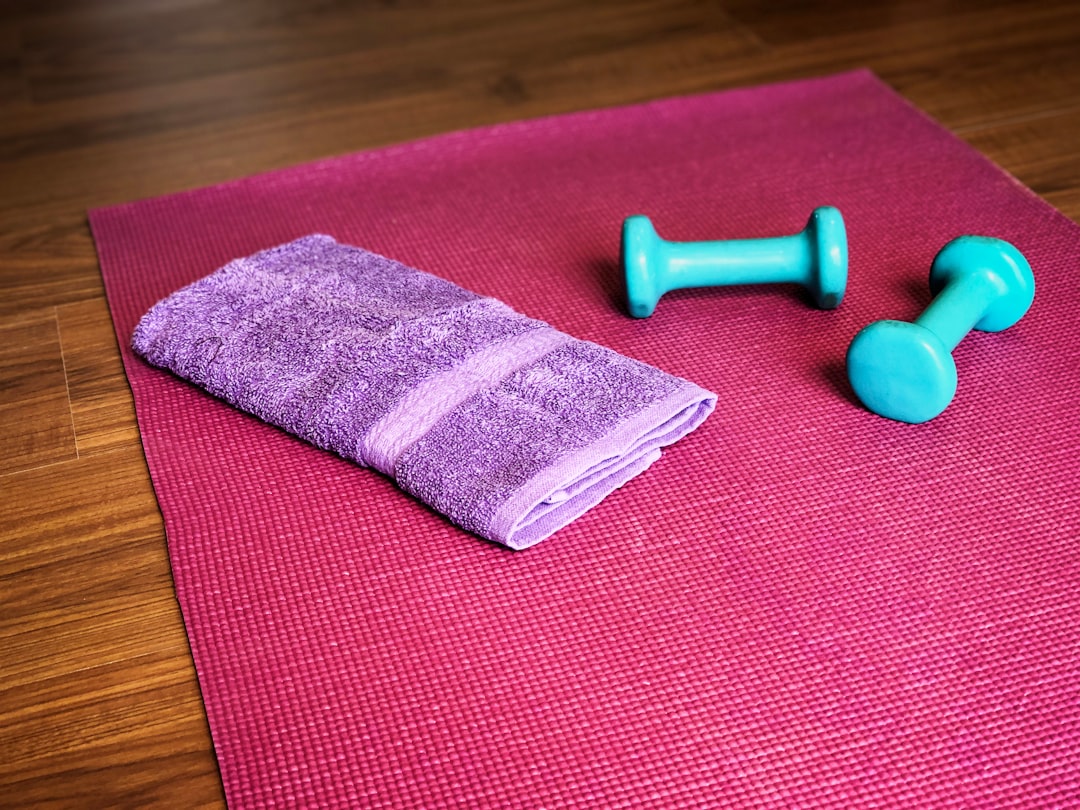
- Yoga mat
- Dumbbells or resistance bands
- Jump rope
These tools are affordable, compact, and versatile—perfect for small spaces.
Real-Life Success Stories
Sometimes, hearing how others have succeeded can inspire you to take action. Meet Alex, a college student who struggled to find time for fitness. By committing to 15-minute HIIT workouts four times a week, he not only improved his stamina but also boosted his mental clarity during exams.
Or consider Maria, a mother of two who started with 10-minute yoga sessions while her kids napped. Over time, she built up to 30-minute workouts and noticed a significant improvement in her strength and flexibility.
Final Thoughts
Building a home workout routine that fits your busy schedule isn’t about perfection—it’s about progress. Start small, stay consistent, and adapt as needed. Remember, fitness is a journey, not a destination. With a little effort and creativity, you can achieve your goals without sacrificing your sanity.
Frequently Asked Questions
Start small—even 10–15 minutes a day can make a difference. Assess your energy levels and identify less hectic days or times, like early mornings or after the kids are in bed. Consistency matters more than duration, so schedule short sessions and treat them as non-negotiable appointments.
Focus on compound movements like squats, push-ups, and lunges, which work multiple muscle groups at once. Pair them with short bursts of cardio for maximum efficiency. For example, a 15-minute HIIT session can deliver great results without taking up much time.
Set clear, achievable goals, like fitting into your favorite jeans or improving stamina. Track your progress using a journal or app, and celebrate small wins. Mix up your routine to avoid boredom, and consider finding accountability through a friend or online fitness community.
Not necessarily! You can start with bodyweight exercises. However, a yoga mat, dumbbells, or resistance bands can add variety and intensity to your routine. These tools are affordable, compact, and perfect for small spaces.
Missing a session isn’t a big deal—life happens. The key is to stay flexible and adjust your routine to fit your current circumstances. Consistency over time is what matters, so get back on track as soon as you can without stressing over one missed workout.
Absolutely. Take Sarah, a small business owner who works 12-hour days—she stays consistent with 20-minute home workouts three times a week. Even short, focused sessions can improve your energy, fitness, and mental clarity without disrupting your busy schedule.