






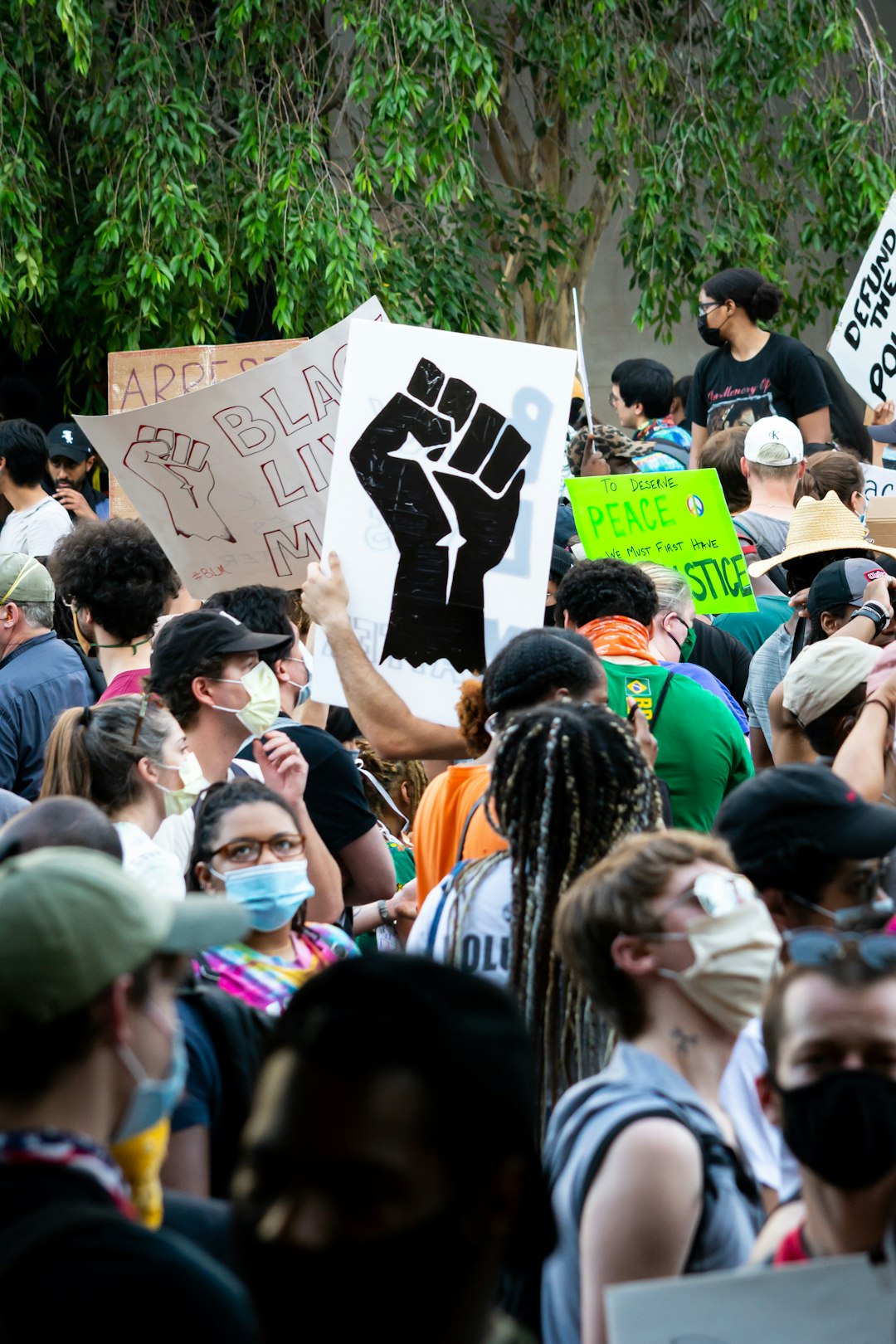
Grassroots movements have shaped history, from civil rights to environmental advocacy. They start with ordinary people who share a common goal and grow into powerful forces for change. But how do you turn passion into action? Let’s break it down into seven practical steps.
1. Define Your Cause Clearly

Every successful movement begins with a clear, compelling cause. Whether it’s fighting for clean water in your community or advocating for better school funding, your mission must resonate with people. Ask yourself: What problem are we solving? Why does it matter? How will it improve lives?
Take the example of a small-town teacher who wanted to reduce classroom sizes. She didn’t just say, “We need more teachers.” Instead, she framed her cause: “Every child deserves individual attention to thrive.” This clarity helped her rally parents, students, and local leaders.
2. Identify Your Core Supporters

Grassroots movements thrive on people power. Start by identifying who shares your passion. These could be neighbors, coworkers, or members of local organizations. Look for individuals who are already talking about the issue or have a personal stake in it.
For instance, a student organizing a climate action group might focus on classmates, environmental clubs, and local activists. Remember, your core supporters don’t need to be experts—just committed.
Pro Tip: Use Social Media to Find Allies
Platforms like Facebook, Twitter, and Instagram are goldmines for connecting with like-minded individuals. Share your cause, join relevant groups, and engage in conversations. You’ll be surprised how quickly you can build a network.
3. Develop a Simple, Actionable Plan
Big goals are inspiring, but small, actionable steps keep people motivated. Break your mission into manageable tasks, like hosting a community meeting, collecting signatures, or organizing a fundraiser.
Here’s a quick example:
| Goal | Action Steps |
|---|---|
| Raise awareness about local pollution | 1. Create flyers 2. Host a town hall 3. Partner with local media |
Keep your plan flexible. Grassroots movements often evolve as new challenges and opportunities arise.
4. Mobilize Your Community
Once you have a plan, it’s time to get people involved. Host events, workshops, or rallies to bring your cause to life. Make these gatherings inclusive and welcoming—everyone should feel like they’re part of something bigger.
A busy parent might not have time for weekly meetings, but they could sign a petition or share your campaign online. Tailor your outreach to fit people’s lifestyles.
“The key to mobilizing people is meeting them where they are—physically and emotionally.”
5. Leverage Storytelling
Stories connect people to your cause on a personal level. Share real experiences that illustrate the issue and its impact. For example, if you’re advocating for affordable housing, highlight stories of families struggling to make rent.
Video testimonials, blog posts, and social media updates can amplify these narratives. A well-told story can turn apathy into action.
6. Build Partnerships
No movement succeeds alone. Collaborate with organizations, businesses, and influencers who share your values. These partnerships can provide resources, credibility, and wider reach.
Imagine a local bakery donating proceeds to your cause or a nonprofit offering meeting space. These alliances not only boost your efforts but also create a sense of community.
Pro Tip: Focus on Mutual Benefits
When approaching potential partners, explain how supporting your movement aligns with their goals. This win-win approach fosters stronger, lasting collaborations.
7. Sustain Momentum
Building a grassroots movement isn’t a sprint—it’s a marathon. Celebrate small wins to keep morale high, but don’t lose sight of the bigger picture. Regularly update your supporters on progress and next steps.
For example, after successfully lobbying for a new park, a neighborhood group might shift focus to maintaining it and organizing community events. Momentum keeps the movement alive.
Real-World Success Stories
Looking for inspiration? Here are two examples of grassroots movements that made a difference:
- The Fight for $15: Started by fast-food workers in New York, this campaign rallied millions across the U.S. to demand a living wage.
- Moms Demand Action: Founded by a stay-at-home mom, this group has grown into a nationwide force for gun safety reform.
These movements prove that even small beginnings can lead to significant change.
Common Challenges and How to Overcome Them
Building a grassroots movement isn’t without hurdles. Here’s how to tackle some common challenges:
| Challenge | Solution |
|---|---|
| Lack of funding | Host fundraisers, apply for grants, or seek donations from local businesses. |
| Burnout among volunteers | Rotate responsibilities, celebrate milestones, and ensure everyone feels valued. |
| Difficulty gaining traction | Refine your messaging, leverage social media, and seek media coverage. |
Final Thoughts
Grassroots movements are powerful because they’re built by everyday people who care deeply about their communities. By following these seven steps—defining your cause, identifying supporters, creating a plan, mobilizing, storytelling, building partnerships, and sustaining momentum—you can turn your vision into reality.
Remember, change doesn’t happen overnight. But with persistence, passion, and the right strategies, you can make a lasting impact.
Frequently Asked Questions
Focus on clarity and emotional resonance. Instead of vague statements like “we need change,” frame your cause in human terms—like the teacher who highlighted how smaller class sizes help children thrive. Use concrete examples that show real-world impact, such as “40% of our students struggle with oversized classrooms.”
Start with your immediate network—neighbors, coworkers, or local groups already discussing related topics. Social media is powerful: join Facebook groups about community issues or use Instagram hashtags to connect with activists. The climate action example shows how students found allies through existing environmental clubs.
Rotate tasks and celebrate small wins. If someone always handles social media, train others to share the load. Recognize contributions publicly—even a shout-out at meetings helps. The article suggests tailoring involvement options (like petition-signing for busy parents) to match people’s availability.
Get creative with local resources. Partner with businesses for mutual benefit—like the bakery that donated proceeds. Host low-cost fundraisers (bake sales, community auctions) or apply for small grants from community foundations. Many successful movements started with just volunteers and homemade flyers.
Break big goals into achievable steps, like the pollution awareness example (flyers → town hall → media). Share regular updates—even small progress reports keep people engaged. After a win (like securing that park), immediately pivot to the next phase (maintenance plans) to maintain energy.
Personal narratives create emotional connections that data alone can’t. When advocating for affordable housing, one family’s story about choosing between rent and groceries will mobilize more people than vacancy rates. Videos or written testimonials make abstract issues relatable—just like the article’s emphasis on “meeting people emotionally.”