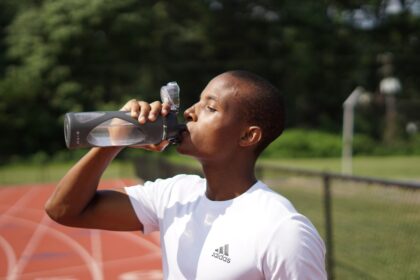






You’ve just crushed a workout—whether it’s lifting weights, running, or a high-intensity class. Your muscles are tired, and your body is craving nutrients to repair and rebuild. But life doesn’t always pause for recovery. Between work, school, or family commitments, finding time to eat properly can feel like another workout. That’s where smart, portable snacks come in. The Best Post-Workout Snacks for Muscle Recovery on the Go are designed to refuel your body without slowing you down.
- Why Post-Workout Nutrition Matters
- What Makes a Great Recovery Snack?
- Top Snacks for Muscle Recovery on the Go
- 1. Greek Yogurt with Berries
- 2. Protein Bars
- 3. Hard-Boiled Eggs and a Banana
- 4. Trail Mix with Nuts and Dried Fruit
- 5. Cottage Cheese with Pineapple
- Timing Your Snacks for Maximum Benefit
- Real-Life Scenarios: Snacks for Every Lifestyle
- Common Mistakes to Avoid
- How to Prep Ahead for Success
- The Bottom Line
- Frequently Asked Questions
Why Post-Workout Nutrition Matters

After exercise, your muscles are primed to absorb nutrients. Eating the right combination of protein and carbs within 30 to 60 minutes can help:
- Repair muscle tissue
- Replenish glycogen stores
- Reduce soreness
- Boost energy for the rest of the day
For example, a busy parent rushing from the gym to pick up their kids doesn’t have time for a sit-down meal. A quick snack can make all the difference in how they feel later.
What Makes a Great Recovery Snack?

Not all snacks are created equal. The ideal post-workout option should include:
| Nutrient | Why It’s Important |
|---|---|
| Protein | Helps repair and build muscle tissue |
| Carbohydrates | Restores energy and glycogen levels |
| Healthy Fats | Supports overall recovery and satiety |
Balance is key. A snack with too much sugar or fat might leave you sluggish, while one lacking protein won’t maximize muscle repair.
Top Snacks for Muscle Recovery on the Go
Here’s a list of portable, nutrient-packed options that fit seamlessly into a busy lifestyle:
1. Greek Yogurt with Berries
Greek yogurt is packed with protein (about 17 grams per 6 ounces), and berries add a natural sweetness plus antioxidants. It’s quick to toss into a container and eat on the go.
2. Protein Bars
Not all protein bars are created equal. Look for ones with at least 10 grams of protein and minimal added sugars. Brands like RXBAR and KIND offer clean, portable options.
3. Hard-Boiled Eggs and a Banana
Eggs are a protein powerhouse, and bananas provide quick-digesting carbs. This combo is easy to prep ahead and throw into your gym bag.
4. Trail Mix with Nuts and Dried Fruit
Trail mix is a great source of healthy fats, protein, and carbs. Just watch portion sizes—nuts are calorie-dense.
5. Cottage Cheese with Pineapple
Cottage cheese offers a hefty dose of protein, and pineapple adds natural carbs and enzymes that may help reduce inflammation.
Timing Your Snacks for Maximum Benefit
When you eat is just as important as what you eat. Aim to consume your snack within 30 to 60 minutes after your workout. This window is when your body is most efficient at absorbing nutrients.
“Think of your muscles like a sponge. After exercise, they’re ready to soak up the nutrients they need to recover and grow.”
Real-Life Scenarios: Snacks for Every Lifestyle
Let’s look at how different people might incorporate these snacks into their routines:
The Busy Parent
After dropping the kids at school, Sarah hits the gym. She keeps Greek yogurt and a banana in her cooler bag for a quick post-workout snack before heading to work.
The College Student
Jake, a student-athlete, grabs a protein bar and a handful of trail mix after practice. It’s easy to stash in his backpack and eat on the way to class.
The Small Business Owner
Maria runs her own bakery and squeezes in early morning workouts. She preps hard-boiled eggs and cottage cheese the night before so she can refuel quickly and get back to work.
Common Mistakes to Avoid
Even with the best intentions, it’s easy to slip up. Here are a few pitfalls to watch out for:
- Skipping the Snack: Not eating after a workout can delay recovery and leave you feeling drained.
- Overloading on Sugar: Snacks high in sugar might give you a quick energy boost but can lead to a crash later.
- Ignoring Protein: Carbs are important, but protein is essential for muscle repair. Don’t skip it.
How to Prep Ahead for Success
Planning is your best friend when it comes to recovery nutrition. Here’s how to stay prepared:
- Batch-cook snacks like hard-boiled eggs or trail mix on Sundays.
- Keep portable options like protein bars or nuts in your car, gym bag, or desk drawer.
- Invest in a small cooler bag for perishable items like yogurt or cottage cheese.
The Bottom Line
Recovery doesn’t have to be complicated. With a little planning, you can enjoy nutrient-rich snacks that keep you energized and help your muscles bounce back—no matter how busy your schedule is. Whether you’re a student, parent, or entrepreneur, finding the right post-workout fuel can make a world of difference in how you feel and perform.
Frequently Asked Questions
Aim to eat within 30 to 60 minutes after your workout. This is when your muscles are most receptive to nutrients, helping repair tissue and restore energy efficiently.
Protein is essential for muscle repair, so don’t skip it. Pair carbs with protein for optimal recovery—like a banana with hard-boiled eggs or Greek yogurt with berries.
Yes, but choose wisely. Look for bars with at least 10 grams of protein and minimal added sugars. Brands like RXBAR and KIND are great options for clean, portable fuel.
Trail mix with nuts and dried fruit is a perfect choice. It’s packed with protein, carbs, and healthy fats, and it’s easy to keep in your bag or car.
Avoid snacks high in sugar or unhealthy fats. Stick to balanced options like cottage cheese with pineapple or a protein bar with minimal additives to keep your energy steady.
Batch-cook items like hard-boiled eggs or trail mix on weekends. Keep non-perishable snacks like protein bars or nuts in your gym bag or desk drawer for easy access.