




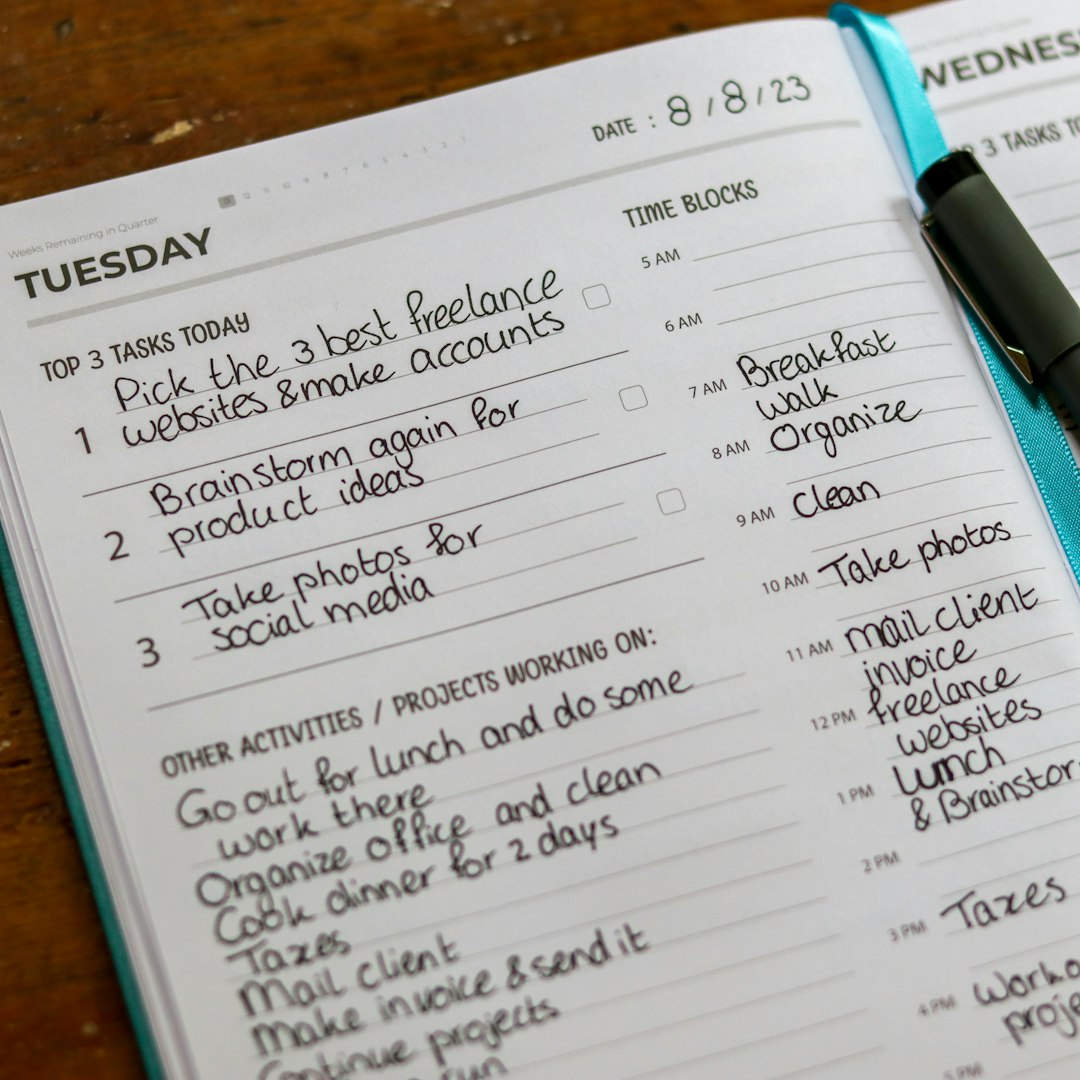
We all crave small changes that make life smoother, healthier, or just more enjoyable. Whether you’re a busy parent juggling schedules, a student cramming for exams, or someone just wanting to feel more energized, these fresh practical tips for lifestyle this week can help. No overhauls needed—just simple tweaks with real impact.
1. Start Your Morning Like a Pro

The first hour sets the tone for your day. Instead of reaching for your phone, try this:
- Hydrate first. Drink a glass of water—add lemon if you like—before coffee.
- Move for 5 minutes. Stretch, do yoga, or walk around the block.
- Write down one priority. Not a to-do list—just the one thing that matters most.
Sarah, a graphic designer, told me:
“Switching from ‘check emails immediately’ to ‘drink water + jot my top goal’ made me 30% less frazzled by 9 AM.”
Why This Works
Your body wakes up dehydrated, and movement boosts circulation. Picking a single focus prevents decision fatigue later.
2. The 15-Minute Home Refresh

Clutter weighs on your mind more than you realize. Instead of a weekend marathon cleanup:
- Pick one zone daily (e.g., junk drawer, fridge shelf).
- Set a timer for 15 minutes. Toss, donate, or reorganize.
- Celebrate small wins. A tidy coffee station or sorted sock drawer counts!
| Before | After |
|---|---|
| Piles of mail on the counter | One tray for bills, recycling bin nearby |
| Spices falling out of the cabinet | Labels and a lazy Susan for easy access |
3. Eat Smarter Without Dieting
Nutrition isn’t about restriction—it’s about making swaps that stick. Try these painless upgrades:
- Add before subtracting. Put spinach in your smoothie before worrying about skipping sugar.
- Use smaller plates. Studies show we eat 20% less without feeling deprived.
- Prep “lazy snacks.” Keep washed grapes, pre-cut veggies, or hard-boiled eggs front-and-center in your fridge.
Real-Life Example
Mark, a teacher, packs almonds and apple slices in his bag every Sunday. “When 3 PM hunger hits, I grab those instead of vending machine chips—saves money and energy crashes.”
4. Boost Productivity with Time Blocks
Multitasking is a myth. Here’s how to focus:
- Group similar tasks. Answer emails in one batch, make calls in another.
- Try the 52-17 rule. Work for 52 minutes, break for 17 (a study found this ratio maximizes efficiency).
- Turn off notifications. Even 30 minutes of undisturbed work beats an hour of interruptions.
5. The 10-Minute Stress Reset
When overwhelm hits, don’t wait for vacation. Quick fixes:
- Breathe like a Navy SEAL: Inhale 4 seconds, hold 4, exhale 4. Repeat 3x.
- Look at nature. A park, houseplant, or even nature photos lowers cortisol.
- Hum or sing. Vibrations calm your nervous system—great before meetings.
One nurse I know keeps eucalyptus oil in her locker:
“One sniff feels like a mini-escape during chaotic shifts.”
6. Nighttime Routines That Actually Help You Sleep
Struggling with insomnia? Skip the melatonin and try these evidence-backed tips:
- Cool your room. 65°F (18°C) is ideal for sleep.
- Dim lights 90 minutes before bed. Use lamps instead of overhead lights.
- Try a “brain dump.” Write tomorrow’s worries on paper to quiet your mind.
Tech Tip
If you must use screens, enable red-light mode at night. Blue light disrupts melatonin more than warmer hues.
7. Social Media Without the Drain
Scrolling mindlessly? Take control:
| Problem | Fix |
|---|---|
| Comparing yourself to others | Follow accounts that teach skills (e.g., cooking, photography) |
| Wasting hours on videos | Set app timers or leave your phone in another room after 8 PM |
Small Changes, Big Difference
You don’t need a complete lifestyle overhaul to feel better. These fresh practical tips for lifestyle this week are about working with your habits, not against them. Pick one or two that resonate, test them for a few days, and notice what shifts. Often, the smallest adjustments—like drinking water first thing or blocking 15 minutes to declutter—create ripple effects that last.
Remember: Progress beats perfection. A student might start with better snack prep, while a CEO focuses on time blocks. What matters is taking action, not the size of the step.
Frequently Asked Questions
Swap phone scrolling for three simple steps: hydrate with water (add lemon if you like), move for 5 minutes (stretch or walk), and write down one priority. A graphic designer reported feeling 30% calmer by 9 AM after making this shift.
Pick one small area daily—like a junk drawer or fridge shelf—and set a 15-minute timer. Toss, donate, or reorganize. Even a tidy coffee station or labeled spice rack can reduce mental clutter.
Focus on adding (like spinach in smoothies) before restricting, use smaller plates to naturally eat less, and prep grab-and-go snacks like grapes or hard-boiled eggs. A teacher saved money and avoided energy crashes by packing almonds and apple slices weekly.
Group similar tasks (like emails or calls), try the 52-17 rule (52 minutes of work, 17-minute breaks), and silence notifications. Even 30 minutes of undisturbed work is more effective than an hour with interruptions.
Try the 4-4-4 breathing method (inhale, hold, exhale for 4 seconds each), look at nature (even a houseplant helps), or hum a tune. A nurse keeps eucalyptus oil on hand for a quick sensory reset during chaotic shifts.
Cool your room to 65°F (18°C), dim lights 90 minutes before bed, and do a “brain dump” by writing down tomorrow’s tasks. If using screens, enable red-light mode to minimize sleep disruption.