




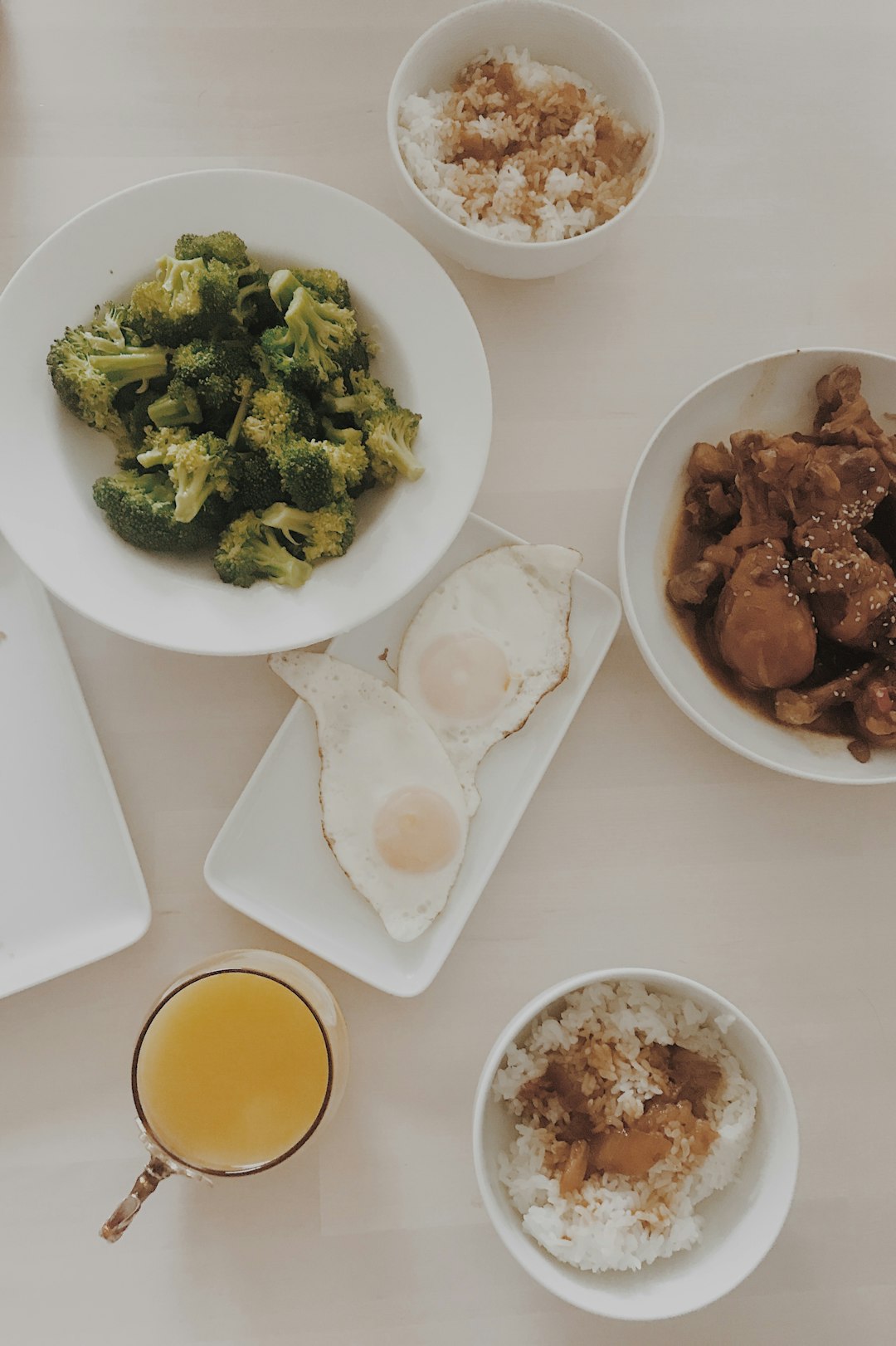
We’ve all been there: staring at the fridge after a long day, wondering what to cook that’s quick, healthy, and doesn’t break the bank. The solution? Meal prepping. It’s not just a trend—it’s a lifesaver for anyone juggling work, school, or family responsibilities. With a little planning, you can save time, money, and stress while enjoying delicious meals throughout the week.
Why Meal Prepping Works for Busy People

Meal prepping isn’t just for fitness enthusiasts or Instagram influencers. It’s a practical tool for anyone with a packed schedule. Take Sarah, a small business owner who works 12-hour days. She started prepping meals on Sundays and now saves over $200 a month on takeout. Or Jake, a college student who spends just $30 a week on groceries by cooking in bulk. Whether you’re a parent, a professional, or a student, meal prepping can simplify your life.
“Meal prepping doesn’t have to be complicated. Start with a few staple recipes and build from there.”
Affordable Ingredients to Keep on Hand

The key to budget-friendly meal prep is using versatile, inexpensive ingredients. Here are some staples to stock up on:
- Rice and pasta: These carbs are cheap, filling, and easy to pair with proteins and veggies.
- Canned beans: A great source of protein that costs less than $1 per can.
- Frozen vegetables: Just as nutritious as fresh, but often cheaper and longer-lasting.
- Eggs: Packed with protein, eggs are a budget-friendly breakfast or snack option.
- Chicken thighs: More flavorful and affordable than chicken breasts.
Simple Meal Prep Recipes to Try
Here are three easy, budget-friendly recipes to get you started:
1. One-Pot Pasta with Veggies
- Cook pasta according to package instructions.
- Sauté frozen veggies (like broccoli or peas) in olive oil.
- Mix pasta, veggies, and a jar of marinara sauce. Add canned beans for extra protein.
2. Chicken and Rice Bowls
- Season chicken thighs with salt, pepper, and paprika. Bake at 375°F for 25 minutes.
- Cook rice in a rice cooker or on the stovetop.
- Steam frozen vegetables or toss them in the oven with the chicken.
- Assemble bowls with rice, chicken, and veggies. Add a drizzle of soy sauce or hot sauce.
3. Egg and Veggie Breakfast Burritos
- Scramble eggs with diced onions, peppers, and frozen spinach.
- Warm tortillas and fill them with the egg mixture.
- Wrap burritos in foil and freeze. Reheat in the microwave for a quick breakfast.
Tips for Successful Meal Prepping
Meal prepping is as much about strategy as it is about cooking. Follow these tips to make it work for you:
- Plan your meals: Write down what you’ll eat for the week before you shop. Stick to your list to avoid overspending.
- Cook in bulk: Make large batches of staples like rice, beans, and roasted veggies. They can be reused in multiple meals.
- Invest in containers: Use reusable containers to store your meals. Glass or BPA-free plastic works best.
- Keep it simple: Don’t overcomplicate your recipes. Stick to dishes with 5–6 ingredients.
- Prep snacks too: Chop veggies, portion out nuts, or make energy balls for quick snacks.
How Meal Prepping Saves You Money
Let’s break it down: eating out or ordering delivery can cost $10–$15 per meal. Even a “cheap” fast-food meal adds up over time. Compare that to meal prepping, where the average cost per meal is around $3–$5. Here’s a quick comparison:
| Meal Option | Cost per Meal | Weekly Cost |
|---|---|---|
| Takeout/Delivery | $10–$15 | $70–$105 |
| Meal Prepping | $3–$5 | $21–$35 |
Over a month, that’s a savings of $200–$300. Plus, you’ll likely eat healthier and waste less food.
Meal Prepping for Different Lifestyles
Everyone’s schedule and dietary needs are different. Here’s how to tailor meal prepping to your lifestyle:
For Students
College students often have tight budgets and limited kitchen equipment. Stick to recipes that require just one pot or pan, like stir-fries or pasta dishes. Use your dorm fridge to store prepped meals for the week.
For Busy Parents
Parents juggling work and kids can benefit from freezer-friendly meals. Make big batches of soups, casseroles, or burritos and freeze them in individual portions. Involve your kids in meal prep—they’re more likely to eat what they help make.
For Professionals
If you’re working long hours, focus on quick, portable meals. Mason jar salads, grain bowls, and wraps are easy to take to the office. Prep your lunches the night before to save time in the morning.
Common Meal Prepping Mistakes to Avoid
Even seasoned meal preppers make mistakes. Here’s how to sidestep common pitfalls:
- Overpacking: Don’t prep too many meals at once. Start with 3–4 days’ worth to avoid burnout.
- Ignoring variety: Eating the same meal every day gets boring. Mix up your recipes and flavors.
<li
Frequently Asked Questions
Switching from takeout to meal prepping can save you $200–$300 per month. While delivery averages $10–$15 per meal, prepped meals cost just $3–$5—like Jake, the student who spends only $30 weekly on groceries by cooking in bulk.
Stock up on rice, canned beans (under $1 per can), frozen veggies, eggs, and chicken thighs. These versatile staples form the base of budget-friendly meals like pasta bowls or chicken stir-fries without sacrificing nutrition.
Rotate 3–4 simple recipes weekly and vary seasonings—try paprika on chicken one week, curry powder the next. Prep components separately (like plain rice and roasted veggies) so you can mix-and-match flavors throughout the week.
Absolutely. Focus on one-pot meals like the veggie pasta recipe, or use sheet pans for chicken and veggies. A dorm-sized fridge can store 3–4 days of meals—just prioritize space-saving containers.
Pick one meal (like lunches) and master 2–3 recipes first. Sarah, the business owner, began with Sunday prep sessions—cooking double batches of staples like rice and roasted chicken to assemble meals quickly on busy days.
Most cooked meals stay fresh for 3–4 days. For longer storage, freeze burritos or soups in individual portions. Always label containers with dates and reheat thoroughly before eating.