





You’ve probably heard a trainer yell “breathe!” mid-set. But proper breathing during weightlifting isn’t just about gasping for air—it’s a skill that affects your strength, stability, and even injury risk. Whether you’re a powerlifter grinding through heavy squats or a parent squeezing in dumbbell workouts between school runs, nailing your breathwork can make all the difference.
Why Breathing Technique Matters More Than You Think

Take Sarah, a busy nurse who started strength training to combat back pain. She could deadlift 150 lbs but kept feeling lightheaded. Turns out, she was holding her breath during reps—a common mistake that limits oxygen flow and spikes blood pressure. After fixing her breathing pattern, her lifts felt smoother, and her back pain improved.
Proper breathing during resistance training:
- Stabilizes your core (up to 20% more intra-abdominal pressure according to Journal of Strength and Conditioning Research)
- Prevents dangerous blood pressure spikes
- Delivers oxygen to working muscles
- Helps maintain rhythm and control
“Think of your breath as an invisible weightlifting belt. When you brace correctly, you create a solid pillar of support for heavy lifts.” — Mark Rippetoe, strength coach and author
The 3-Step Breathing Method for Lifting

This technique works for compound lifts like squats, deadlifts, and bench presses:
- Inhale deeply before initiating the movement (nose or mouth)
- Brace your core like you’re about to be punched
- Exhale forcefully through the sticking point (usually the hardest part of the lift)
For example, when squatting:
- Inhale as you descend
- Hold briefly at the bottom
- Exhale as you drive up past your knees
Common Breathing Mistakes to Avoid
| Mistake | Why It’s Bad | Fix |
|---|---|---|
| Holding breath entire rep (Valsalva maneuver) | Spikes blood pressure, risk of dizziness | Release air during exertion phase |
| Shallow chest breathing | Weak core engagement | Breathe into diaphragm |
| Exhaling too early | Loses tension at critical moment | Time exhale with sticking point |
Breathing Variations for Different Exercises
Heavy Compound Lifts
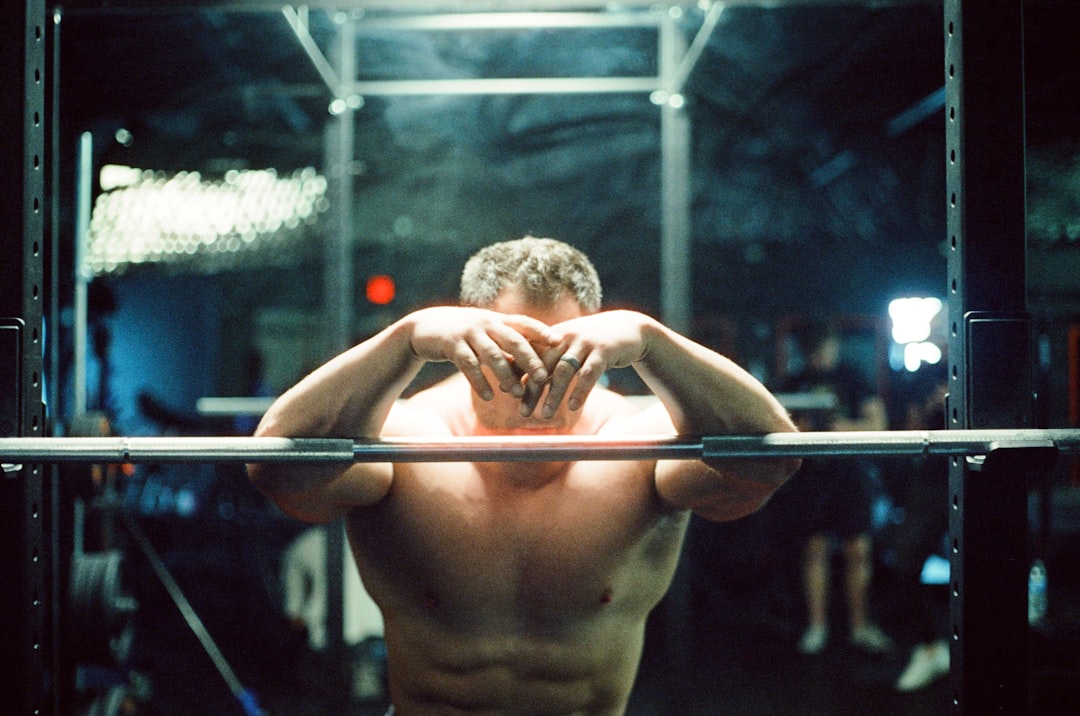
For max effort squats or deadlifts, brief breath-holding (1-2 seconds) with proper bracing is acceptable. Just don’t turn purple—that’s your cue to ease up.
High-Rep Work
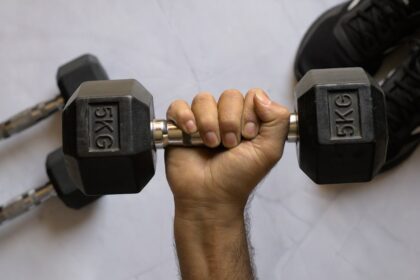
During 12+ rep sets of dumbbell presses or lunges, use rhythmic breathing: exhale on exertion, inhale on the eccentric (lowering) phase.
Bodyweight Exercises
Pull-ups and push-ups follow the same rules. Ever seen someone struggle on their last rep? Often, they’re forgetting to exhale as they push or pull.
How to Practice Proper Breathing Outside the Gym
Try this drill from physical therapist Dr. Kelly Starrett:
- Lie on back with knees bent
- Place one hand on chest, one on belly
- Inhale for 4 seconds, making the belly hand rise
- Exhale for 6 seconds with pursed lips
- Repeat 5 minutes daily
College athlete Jake used this to fix his erratic breathing during basketball weight sessions. “I used to gas out during cleans. Now I’m more controlled and recover faster between sets.”
When to Seek Help
If you experience:
- Consistent dizziness during lifts
- Inability to maintain rhythm
- Sharp pain when bracing
…consult a sports medicine professional. Sometimes breathing issues stem from underlying conditions like asthma or diaphragm dysfunction.
Remember: Like any skill, mastering breathing for weightlifting takes practice. Start light, film yourself to check form, and soon it’ll become second nature. Your lifts—and your body—will thank you.
Frequently Asked Questions
Breathing correctly stabilizes your core, increases intra-abdominal pressure by up to 20%, and delivers oxygen to your muscles. This helps you maintain control, avoid dizziness, and lift more efficiently. For example, exhaling during the hardest part of the lift keeps tension where you need it most.
Use the 3-step method: inhale deeply before starting the movement, brace your core as if preparing for impact, and exhale forcefully during the sticking point. For squats, inhale as you descend, hold briefly at the bottom, and exhale as you drive up past your knees.
Yes. Holding your breath for too long during lifts can spike blood pressure and cause dizziness, while shallow chest breathing weakens core engagement. Both increase the risk of losing stability and injuring yourself. Always exhale during exertion and breathe deeply into your diaphragm.
Lie on your back with knees bent, place one hand on your chest and one on your belly. Inhale for 4 seconds, letting your belly rise, and exhale for 6 seconds with pursed lips. Repeat for 5 minutes daily to improve your breathing rhythm and core control.
Yes. For exercises like dumbbell presses or lunges with 12+ reps, use rhythmic breathing: exhale during the exertion phase and inhale while lowering the weight. This keeps your oxygen flow steady and helps you power through longer sets.
If you experience consistent dizziness, an inability to maintain rhythm, or sharp pain when bracing, consult a sports medicine professional. These symptoms could indicate underlying conditions like asthma or diaphragm dysfunction that need attention.