




Sarah, a marketing consultant who flies twice a week, used to dread hotel gyms. “I’d pack my workout clothes with good intentions,” she says, “but between jet lag and client dinners, I’d skip workouts for days.” Then she discovered a game-changer: 15-minute bodyweight routines in her room. Six months later, she’s maintained her strength while logging 100,000 airline miles.
Frequent travel doesn’t have to derail your fitness goals. With the right approach, you can adapt your routine to airports, hotel rooms, and unpredictable schedules. Here’s how.
1. Rethink What “Workout” Means

When you’re home, you might hit the gym for 60-minute sessions. On the road, that’s often unrealistic. Instead:
- Embrace micro-workouts – Three 10-minute sessions spread through your day burn similar calories to one 30-minute block
- Use what’s available – Stairs become cardio equipment, hotel towels turn into resistance bands
- Prioritize movement over perfection – A 20-minute walk beats skipping exercise entirely
“My ‘travel gym’ fits in a carry-on: resistance bands, a jump rope, and workout apps that don’t need WiFi.” – Mark, airline pilot
2. Master Hotel Room Workouts

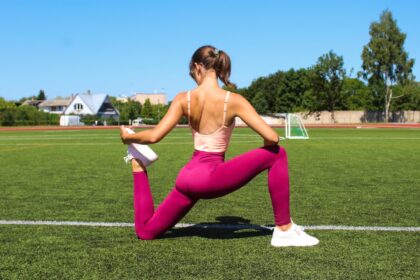
Most hotel rooms offer enough space for effective workouts. Try this no-equipment routine:
| Exercise | Sets | Reps | Modification |
|---|---|---|---|
| Prisoner squats | 3 | 15 | Use chair for balance |
| Push-ups | 3 | Max | Knees or incline on desk |
| Plank to downward dog | 3 | 30 sec | Knees down if needed |
Hotel Room Hacks
- Use the bed frame for triceps dips
- Fill the ice bucket with water as a kettlebell
- Do calf raises while brushing your teeth
3. Outsmart Your Schedule
Business traveler James schedules workouts like meetings: “If I have an 8 AM presentation, I’ll do a 6 AM YouTube yoga session. It wakes me up better than coffee.”
Other time-saving tactics:
- Airport layovers: Walk terminals instead of sitting (1 mile ≈ 2,000 steps)
- Early flights: Pack protein bars to avoid skipping breakfast
- Time zones: Exercise at your “home” workout time to combat jet lag
4. Pack Smart (But Keep It Light)
Digital nomad Lena swears by her 3-pound fitness kit:
- Resistance bands (takes less space than socks)
- Collapsible water bottle
- Grip trainers for flights
- Non-slip socks for hardwood floors
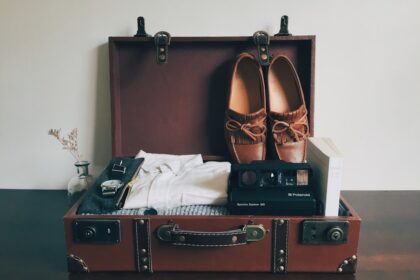
Pro tip: Roll workout clothes into shoes to save suitcase space.
5. Leverage Technology
These tools help travelers stay on track:
Best Apps for Travel Workouts
| App | Best For | Offline Use? |
|---|---|---|
| Nike Training Club | Bodyweight routines | Yes |
| Down Dog | Customizable yoga | Yes |
| Seven | 7-minute workouts | Partial |
6. Make It Social (Or Competitive)
Sales director Miguel stays motivated through challenges: “My team competes in monthly step counts. Last month we averaged 12,000 steps/day across 6 countries.”
Other ideas:
- Book hotels with pools for swim challenges
- Try local activities (beach volleyball in Miami, hiking in Denver)
- Post workout selfies to stay accountable
7. Nutrition on the Go
Fitness isn’t just about exercise. Consultant Dr. Patel advises: “At conferences, I fill half my plate with veggies first. It prevents overeating at buffets.”
Simple travel nutrition rules:
- Hydrate aggressively (airplane air dehydrates you 2x faster)
- Choose grilled over fried at restaurants
- Pack almonds or protein powder for emergencies
Remember: consistency beats intensity. Missing one workout won’t ruin your progress, but developing adaptable habits will keep you fit through every time zone.
Frequently Asked Questions
Walk the terminal instead of sitting – you’ll log about 1 mile (2,000 steps) in 15-20 minutes. Many airports now have walking paths marked with distance markers, making it easy to track your movement between flights.
Resistance bands take less room than socks and provide full-body training. Pair them with a jump rope (fits in shoes) and grip trainers for flights to create a complete travel gym under 3 pounds.
Use furniture creatively: bed frames become dip stations, desks turn into incline push-up surfaces, and filled ice buckets substitute for kettlebells. A simple routine of squats, push-ups and planks can maintain strength when done consistently.
Exercise at your “home” time zone’s workout hour to reset your internal clock. Even 15 minutes of yoga or bodyweight exercises helps more than caffeine for fighting fatigue after long flights.
Fill half your plate with vegetables first, then add protein. This simple rule prevents overeating fried foods while ensuring you get nutrients. Packing protein bars or almonds creates backup options when healthy choices are limited.
Yes – three 10-minute sessions burn similar calories to one 30-minute workout. Consistency matters more than duration. Bodyweight exercises done daily maintain muscle better than occasional long gym sessions you might skip.