





Politics and culture shape our daily lives, whether we’re discussing policy at work or navigating social media debates. But keeping up can feel overwhelming. Here’s how to stay informed, engaged, and even influential—without burning out.
1. Cut Through the Noise: Focus on What Matters

Between breaking news alerts and viral tweets, it’s easy to drown in information. Instead of trying to track everything, prioritize:
- One deep read per day. Choose a long-form article or podcast episode that explains a key issue (e.g., The Daily or Politico’s Playbook).
- Local impact. A city council vote on housing affects you more than a congressional hearing three time zones away.
- Your values. If climate change matters most to you, skip the celebrity gossip and follow environmental policy updates.
“Information overload is real. Pick three trusted sources and ignore the rest—you’ll think more clearly.”
—Lena, a community organizer in Chicago
2. Talk Politics Without Starting a Fire

Family dinners or Zoom calls can turn tense fast. Try these tactics:
For Heated Debates
- Ask questions. “What made you support that policy?” works better than “How could you believe that?”
- Share personal stories. “My friend’s small business struggled with healthcare costs” beats abstract stats.
- Know when to pause. If voices rise, say, “Let’s revisit this after dessert.”
At Work
Politics at the office? Tread carefully. A tech CEO we spoke to handles it this way:
- Redirect to common goals: “We all want fair wages—how can our company contribute?”
- Keep it policy-focused, not personal: “Let’s compare the tax proposals” vs. “Your party is wrong.”
- If uncomfortable, opt out: “I’d rather focus on the project deadline today.”
3. Culture Shifts You Can Use
Cultural trends influence politics (and vice versa). Here’s how to leverage them:
| Trend | Why It Matters | Actionable Tip |
|---|---|---|
| TikTok activism | Young voters get news here, not TV | Follow @impact for digestible explainers |
| Return to local art | Post-pandemic community rebuilding | Attend a gallery opening—networking + support |
| Quiet quitting | Workers redefining engagement | Discuss labor rights at your next PTA meeting |
4. Small Actions, Big Impact
You don’t need to run for office to make a difference. Try these low-effort, high-reward steps:
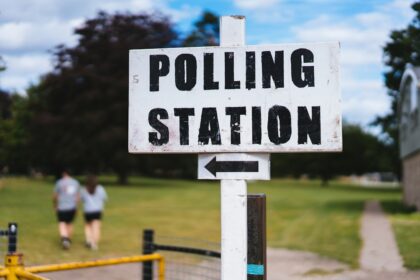
- Vote in small elections. School board races are decided by dozens of votes—your ballot counts.
- Subscribe to opposing views. Read The Nation and The National Review to spot middle ground.
- Support minority-owned media. Buy a book from an independent BIPOC publisher this week.
For Students: Campus Engagement
College freshman Maya told us: “I joined a voter registration drive instead of just complaining about politicians. We signed up 200 people in a month.”
5. Protect Your Mental Energy
Constant engagement is exhausting. Balance is key:
- Set boundaries. Mute political accounts after 8 PM.
- Celebrate wins. Did your town pass a recycling bill? Throw a potluck.
- Find joy. Watch a satire show like Last Week Tonight—learning can be fun.
These fresh tips for politics and culture aren’t about doing more—they’re about doing what matters. Pick one or two ideas to try this week, and watch your influence grow without the burnout.
Frequently Asked Questions
Focus on quality over quantity. Pick one in-depth article or podcast per day on a key issue, like housing policy or climate change, from trusted sources such as Politico or The Daily. Skip the noise—local impacts and topics aligned with your values matter more than every breaking alert.
Use open-ended questions (“What made you support that policy?”) and share personal stories instead of stats. If tensions rise, pause the conversation and revisit it later. At work, steer discussions toward shared goals, like fair wages, and avoid personal attacks.
Platforms like TikTok shape political discourse—follow accounts like @impact for bite-sized explainers. Supporting local art or discussing labor rights at community events connects culture to action. Trends reveal where energy is shifting, so lean into what resonates.
Voting in local elections (like school board races) has outsized impact. Subscribing to opposing viewpoints, such as The Nation and The National Review, helps find common ground. Even buying books from minority-owned publishers supports diverse voices.
Set boundaries, like muting political accounts after 8 PM. Celebrate small wins, like a passed local bill, with friends. Mix learning with enjoyment—watch satire like Last Week Tonight to stay informed without burnout.
Absolutely. As one freshman showed, joining a voter registration drive signed up 200 new voters in a month. Campus groups, petitions, and local rallies amplify youth voices where decisions are made.