






Ever seen someone walk into the gym, grab the heaviest dumbbells, and start lifting cold? Don’t be that person. A proper warm-up isn’t just about avoiding injury—it primes your muscles, improves mobility, and can even make your workout feel easier. Whether you’re a busy parent squeezing in a 20-minute home session or a marathon runner prepping for a long haul, these 7 moves take less than 5 minutes and work for any activity.
- Why Warm-Ups Matter (More Than You Think)
- The 7 Essential Warm-Up Moves
- 1. Arm Circles (30 seconds)
- 2. Bodyweight Squats (10 reps)
- 3. Walking Lunges (8 per side)
- 4. Inchworms (5 reps)
- 5. High Knees (30 seconds)
- 6. Torso Twists (10 per side)
- 7. Jumping Jacks (45 seconds)
- Customizing Your Routine
- Common Warm-Up Mistakes to Avoid
- How to Know You’re Warmed Up Enough
- Make It Stick
- Frequently Asked Questions
“Think of warm-ups like revving a car engine in winter. You wouldn’t floor the gas immediately—your body deserves the same care.” —Dr. Sarah Lin, sports physical therapist
Why Warm-Ups Matter (More Than You Think)

Research shows that dynamic warm-ups (the kind where you move, not just stretch) can increase performance by up to 20%. For example:
- Runners who warm up properly report fewer calf cramps and knee pain.
- Weightlifters often find they can lift heavier with better form after activating their muscles.
- Yoga enthusiasts achieve deeper poses when their joints are prepped.
The 7 Essential Warm-Up Moves

These exercises target major muscle groups while gradually raising your heart rate. No equipment needed—just your body and a few square feet of space.
1. Arm Circles (30 seconds)
Great for swimmers, tennis players, or anyone doing upper-body work. Start small, then widen the circles:
- Stand with feet shoulder-width apart.
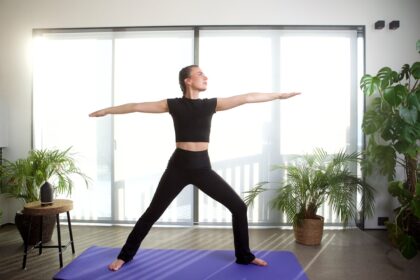
- Extend arms straight out to sides at shoulder height.
- Make 15 forward circles, then 15 backward.
2. Bodyweight Squats (10 reps)
Activates quads, glutes, and core—ideal before leg day or cycling:
- Stand with feet slightly wider than hips.
- Lower as if sitting in a chair, keeping knees behind toes.
- Press through heels to stand.
3. Walking Lunges (8 per side)
Improves hip mobility for runners and hikers:
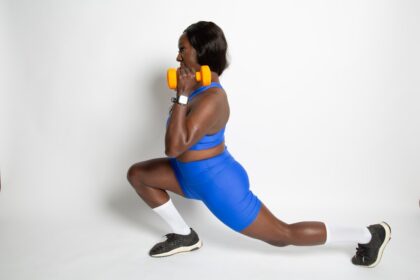
- Step forward with right leg, lowering until both knees form 90-degree angles.
- Push off right foot to bring left leg forward into next lunge.
4. Inchworms (5 reps)
A full-body move that warms up hamstrings and shoulders simultaneously:
- From standing, bend at hips to touch the floor.
- Walk hands forward to plank position.
- Walk feet toward hands, then stand.
5. High Knees (30 seconds)
Spikes heart rate gently—perfect before cardio:
- Jog in place, bringing knees to hip height.
- Pump arms for added intensity.
6. Torso Twists (10 per side)
Essential for golfers or anyone doing rotational movements:
- Stand with feet planted, arms bent at 90 degrees.
- Rotate upper body left, then right, keeping hips stable.
7. Jumping Jacks (45 seconds)
The classic finisher that gets blood flowing everywhere:
- Jump feet out while raising arms overhead.
- Return to start and repeat.
Customizing Your Routine
Not all workouts demand the same prep. Here’s how to tweak these 7 quick warm-up exercises:
| Activity | Focus Areas | Add These Moves |
|---|---|---|
| Running | Hips, calves | Leg swings, ankle circles |
| Weightlifting | Shoulders, core | Band pull-aparts, dead bugs |
| Yoga/Pilates | Spine, breath | Cat-cows, ribcage expansions |
Common Warm-Up Mistakes to Avoid
Even seasoned athletes slip up. Watch for these pitfalls:
- Static stretching first: Save deep stretches for post-workout when muscles are warm.
- Rushing: A 60-second warm-up won’t cut it for heavy lifting.
- Ignoring weak spots: If your shoulders are stiff, spend extra time on arm circles.
How to Know You’re Warmed Up Enough
You don’t need a fitness tracker to gauge readiness. Look for:
- Light sweat on your forehead or back
- Muscles feeling springy, not stiff
- Breathing slightly elevated but controlled
Take it from Maya, a barre instructor in Chicago: “My clients who skip warm-ups struggle with balance in class. Those who do these moves? They nail pirouettes by week two.”
Make It Stick
Turn these exercises into a habit by:
- Setting a phone timer for 5 minutes pre-workout
- Pairing them with a podcast or playlist you love
- Tracking consistency (3 warm-ups/week = small victory)
Your future self—whether you’re chasing toddlers or personal records—will thank you for taking those extra minutes to prep. Now go move.
Frequently Asked Questions
For most workouts, aim for 5 minutes of dynamic movements. Research shows this duration effectively raises body temperature and activates muscles without draining energy. The 7-move routine in this article fits perfectly into that timeframe.
Cutting your warm-up is like skipping breakfast before a big meeting—you’ll function, but not optimally. Even 2-3 minutes of arm circles and bodyweight squats makes a difference. One study found runners reduced early-mile discomfort by 40% with just 90 seconds of leg swings.
Static stretching cold muscles tops the list. Unlike dynamic moves, holding stretches before activity can decrease power output by up to 8%. Save those deep hamstring stretches for after your workout when muscles are warm and pliable.
Focus on the muscles you’ll use most. Before bench presses, do band pull-aparts for shoulders. For deadlifts, add 10 reps of bodyweight good mornings. The article’s torso twists also help protect your spine during lifts.
Dynamic movements increase blood flow, raising muscle temperature by 2-3°F. This makes tissues more elastic and nervous system more responsive. One study showed warmed-up athletes could lift 5-10% heavier weights with better control.
While the core 7 moves work for both, add activity-specific prep. Runners benefit from ankle circles, while yogis should include cat-cows. The article’s customization table shows exactly which moves to emphasize for different activities.