





“`html
Politics and culture shape our daily lives, whether we’re debating at the dinner table or scrolling through headlines. Here’s how to engage smarter—without burning out.
1. Cut Through the Noise in Political Debates

Ever walked away from a discussion feeling frustrated? Try these steps:
- Listen first. Ask, “Can you tell me more about why you think that?” before responding.
- Use facts, not fights. For example, if someone claims “voter fraud is rampant,” cite Brennan Center data showing it’s statistically rarer than lightning strikes.
- Know when to pause. Not every debate needs a winner. Sometimes, saying, “Let’s revisit this later” saves relationships.
“The goal isn’t to ‘win’—it’s to understand. Even changing one person’s mind slightly is progress.” —Maria, community organizer
2. Spot Cultural Trends Before They Go Mainstream

From TikTok dances to labor movements, culture moves fast. Here’s how to stay ahead:
Follow These Unusual Sources
- Local newspapers: Stories about city councils or school boards often predict national debates.
- Niche podcasts: Shows like Behind the Bastards dissect power structures with dark humor.
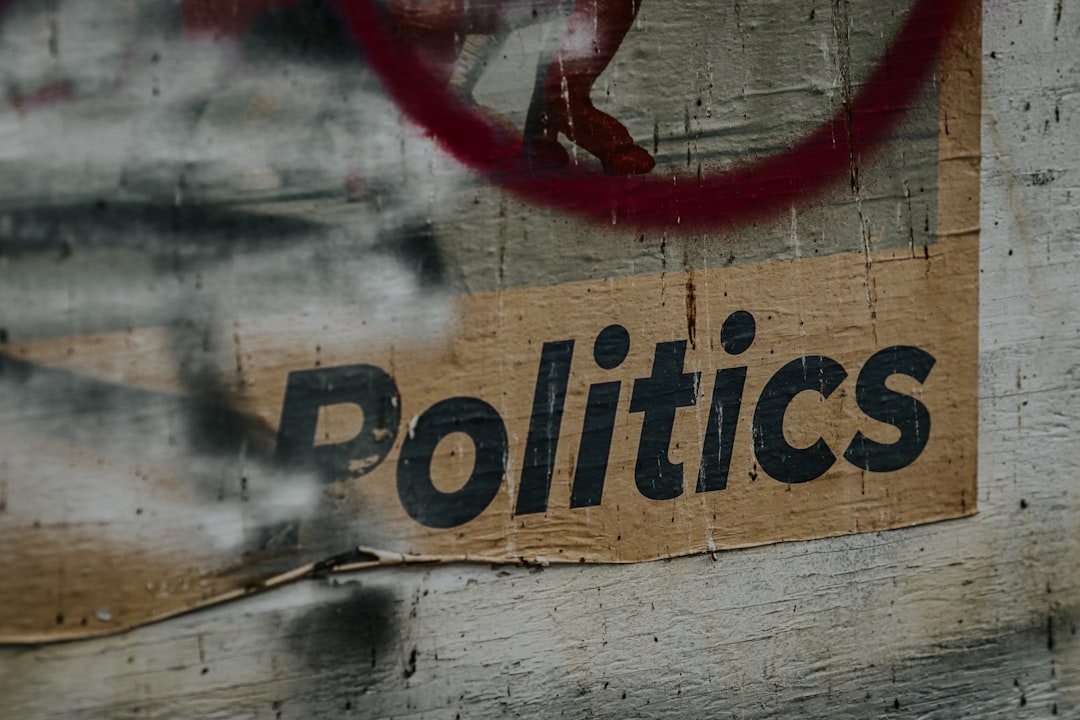
- Art scenes: Graffiti murals or indie films often critique societal issues years before headlines catch up.
| Trend | Early Signal | Mainstream Moment |
|---|---|---|
| Remote work | Tech forums (2015–2018) | COVID-19 lockdowns (2020) |
| Climate strikes | Greta Thunberg’s solo protest (2018) | Global marches (2019) |
3. Take Action Without Overwhelm
You care about issues, but time is limited. Try these bite-sized steps:
- Pick one cause. Focus on housing rights or education funding—not both.
- Set a 5-minute habit. Example: Every Monday, email your rep using Resistbot.
- Join a mutual aid group. Practical help (e.g., grocery runs) often impacts more than grand gestures.
Real-World Example: The Busy Parent
Juggling kids and a job, Lena couldn’t attend protests. Instead, she:
- Donated spare diapers to a migrant support group.
- Voted in local elections (which affect schools directly).
- Talked to her kids about fairness using Bluey episodes.
4. Decode Political Language
Terms like “freedom” or “equity” mean different things to different people. Here’s a cheat sheet:
| Term | Left-Leaning Usage | Right-Leaning Usage |
|---|---|---|
| “Family values” | Paid leave, childcare support | Traditional marriage, anti-abortion |
| “Fiscal responsibility” | Taxing wealthier corporations | Cutting social programs |
Notice the disconnect? Asking, “What does that look like to you?” avoids assumptions.
5. Culture Isn’t Just for Elites
You don’t need a PhD to critique a Netflix show or a pop song. Try this:
- Notice patterns. Why do so many superhero movies involve “saving the city”? What does that say about power?
- Talk to strangers. A barista’s take on Barbie might surprise you.
- Create something. A meme about student debt can spread faster than a think-piece.
Case Study: The Student Artist
Diego, a college sophomore, turned his frustration with textbook costs into a viral comic strip. His university later expanded its book loan program.
Final Thought: Small Steps Matter
Fresh practical tips for politics and culture this week aren’t about grand gestures. They’re about consistency—showing up in ways that fit your life. Whether it’s questioning a headline or sharing a resource, you’re part of the conversation.
What’s one thing you’ll try this week?
“`
Frequently Asked Questions
Start by actively listening and asking questions like, “Can you tell me more about why you think that?” Use verified data instead of emotional arguments—for example, cite Brennan Center statistics to debunk myths like widespread voter fraud. If tensions rise, it’s okay to pause and revisit the conversation later.
Look beyond mainstream sources. Local newspapers often highlight issues before they go national, niche podcasts like Behind the Bastards analyze societal shifts, and art scenes—like graffiti or indie films—often critique issues years before they hit headlines.
Focus on one cause, like housing rights or education funding, to avoid overwhelm. Set small, consistent habits—like spending 5 minutes every Monday emailing your representative using Resistbot. Joining a mutual aid group for practical tasks, such as grocery runs, can also make a big impact.
Ask clarifying questions like, “What does that look like to you?” For example, “family values” might mean paid leave for some and traditional marriage for others. This approach helps avoid misunderstandings and keeps conversations productive.
Notice patterns in media—like why superhero movies often focus on “saving the city”—and discuss them with others, even strangers. Creating something simple, like a meme about student debt, can also spark meaningful conversations and reach a wide audience.
Focus on small, impactful actions. Lena, a busy parent, donated spare diapers to a migrant support group and voted in local elections to influence school policies. Even talking to her kids about fairness using Bluey episodes made a difference.