




Politics and culture shape our daily lives, whether we’re scrolling through news feeds, chatting with neighbors, or making decisions at work. Staying informed doesn’t have to mean drowning in headlines—here’s how to engage meaningfully without burning out.
1. Cut Through the Noise on Social Media

Social media is a double-edged sword: it connects us but also overwhelms. Instead of doomscrolling, try these tactics:
- Follow diverse voices. If your feed leans one way politically, add a few accounts with opposing views. For example, a progressive activist might follow a conservative policy analyst—not to argue, but to understand.
- Use lists or mute triggers. Twitter and Facebook let you create custom feeds. A teacher in Ohio told me she keeps a “calm news” list with local reporters and cultural commentators, skipping the outrage cycle.
- Set a timer. 15 minutes twice a day is enough to stay updated without spiraling.
“Social media is like weather—you don’t control it, but you can prepare for it. Dress accordingly.” —Lena, community organizer
2. Engage Locally (Without Running for Office)

National politics dominate conversations, but local actions often have immediate impact. Here’s how to get involved:
For Busy Professionals
- Attend one city council meeting per quarter. Many stream online—watch while cooking dinner.
- Support a small cultural event. A bookstore owner in Austin saw a 30% sales bump after hosting a monthly poetry slam with political themes.
For Students
- Join a campus debate club. It’s low-commitment but builds critical thinking.
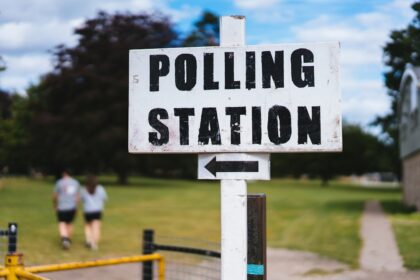
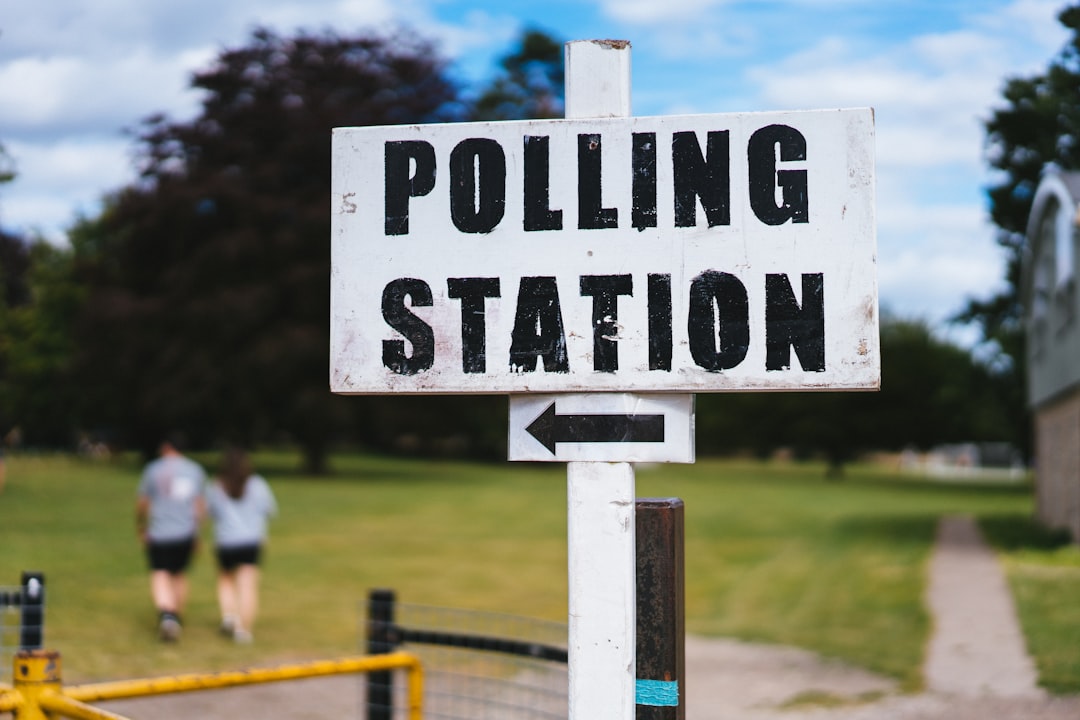
- Volunteer as a poll worker. Many states pay $100–$200 for a day’s work.
3. Navigate Tough Conversations
Family gatherings or workplace chats about politics can turn tense. Try this framework:
| Situation | Response | Goal |
|---|---|---|
| Uncle claims “both sides are equally corrupt.” | “What’s one issue where you’ve seen change you liked?” | Shift from debate to shared values. |
| Co-worker dismisses a cultural movement. | “Help me understand your perspective—have you had a personal experience with this?” | Encourage storytelling over slogans. |
4. Consume Culture Critically
Movies, music, and art reflect and shape politics. A few ways to engage deeper:
- Read creator interviews. After watching a controversial film, check the director’s intent. The Barbie movie sparked debates, but Greta Gerwig’s interviews clarified her feminist lens.
- Support independent creators. Instead of streaming giants, buy directly from artists on Bandcamp or Patreon. A $5 monthly pledge to a political cartoonist matters more than a Netflix subscription.
- Host a discussion night. A book club in Denver picks one politically charged novel per season, then invites a local expert to moderate.
5. Small Actions With Big Impact
You don’t need a megaphone to make a difference:
- Fact-check before sharing. A retired nurse in Florida reduced her “fake news” shares by 80% using Snopes or Politifact.
- Subscribe to one quality newsletter. The Flip Side breaks down issues from multiple angles in plain language.
- Vote in primaries. Turnout is often below 20%—your voice carries more weight.
These fresh practical tips for politics and culture this week aren’t about grand gestures. They’re sustainable habits that keep you informed, engaged, and sane. Pick one or two to try, and see how they shift your perspective.
Remember: culture moves slowly until it doesn’t. Small, consistent actions add up—whether you’re a parent modeling civil discourse for kids or a barista sparking conversations with customers. What’s your first step this week?
Frequently Asked Questions
Here are 5 practical FAQs based on the article:
Curate your feed intentionally—follow a few accounts with opposing views to broaden perspective without engaging in debates. Use platform tools like Twitter Lists to create a “calm news” feed separate from the main timeline. Limit checking to 15-minute sessions twice daily to avoid doomscrolling.
Stream one city council meeting quarterly while doing chores—many municipalities upload recordings. Support small cultural events like bookstore readings; one owner increased sales 30% by hosting monthly political poetry slams. These micro-actions create ripple effects.
Shift from debating positions to exploring values. If someone says “both sides are corrupt,” ask “What’s one change you’ve appreciated recently?” This redirects energy toward shared hopes rather than frustrations. Storytelling disarms more effectively than statistics.
Platforms like Bandcamp and Patreon let you fund artists directly, bypassing algorithmic gatekeepers. A $5 monthly pledge to a political cartoonist has more impact than passive streaming subscriptions. Independent creators often tackle nuanced topics mainstream avoids.
Pause before reposting—use Snopes or Politifact for quick fact-checks. One retiree cut her “fake news” shares by 80% with this 30-second habit. Subscribe to cross-partisan newsletters like The Flip Side that summarize multiple perspectives clearly.
Absolutely—with turnout often below 20%, your vote carries disproportionate weight. Primaries shape candidate viability before general elections. Even researching just your district’s key issues (like school boards or zoning laws) makes you an informed voter.