




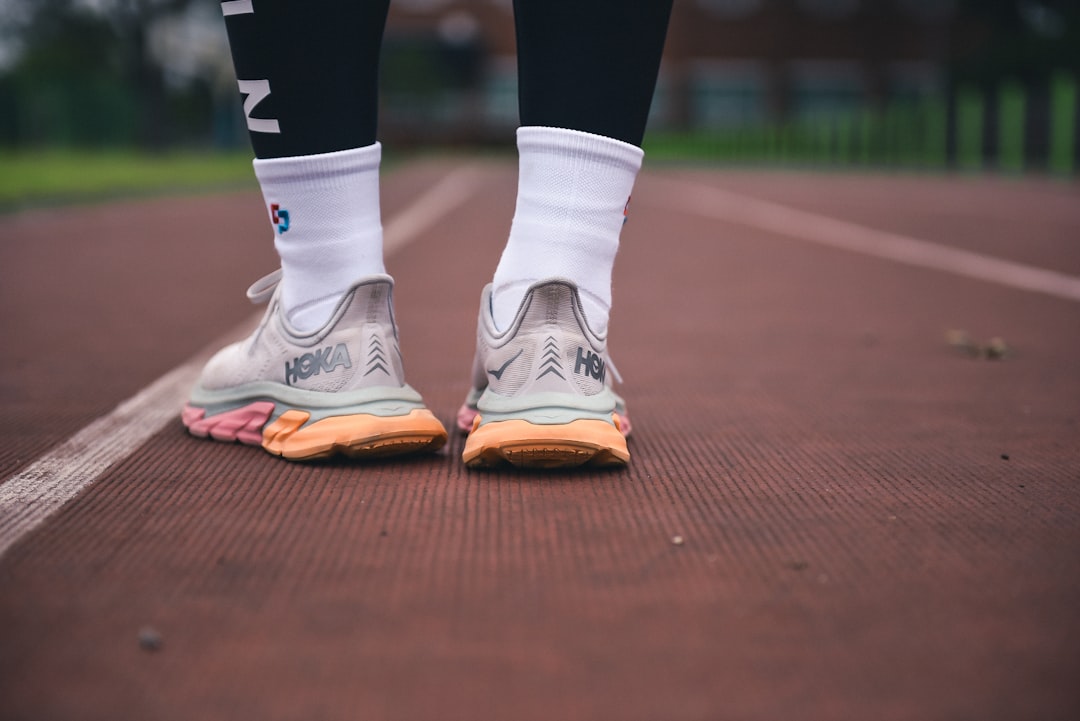
Finding the right running shoes can feel overwhelming. With so many brands, styles, and features, it’s easy to end up with a pair that looks great but leaves your feet sore or your knees aching. Whether you’re a marathon runner, a casual jogger, or someone just starting out, the right footwear can make all the difference.
Understand Your Foot Type

Before you even step into a store or browse online, it’s crucial to understand your foot type. Your arch shape and how your foot lands when you run play a big role in determining the kind of support you need.
Flat Feet vs. High Arches
Flat feet typically require more stability and motion control. Shoes with added arch support can help distribute weight evenly and reduce strain on your knees. On the other hand, high arches often need cushioned shoes with flexibility to absorb impact.
Sarah, a busy mom of two, struggled with knee pain after her morning runs. “I didn’t realize I had flat feet,” she says. “Once I switched to shoes with better arch support, the pain disappeared.”
Pronation: Neutral, Overpronation, or Underpronation
Pronation refers to how your foot rolls inward when it hits the ground. Neutral pronators can wear most types of running shoes, while overpronators need stability shoes to correct inward rolling. Underpronators, or supinators, benefit from cushioned shoes to absorb shock.
To determine your pronation, try the “wet test.” Wet the sole of your foot, step onto a piece of paper, and examine the imprint. If most of your foot shows, you’re likely a neutral pronator. If only the heel and ball of your foot are visible, you probably have high arches.
Focus on Fit and Comfort

A good pair of running shoes should feel comfortable from the moment you put them on. Here’s how to ensure the perfect fit:
- Measure Your Feet: Feet can change size over time, so measure both feet and choose the size that fits the larger one.
- Leave Room for Your Toes: There should be about a thumb’s width of space between your longest toe and the end of the shoe.
- Check the Width: Your foot shouldn’t feel squeezed or slide around. Many brands offer wide or narrow options.
Tom, a college student, learned this the hard way. “I bought shoes that were too tight because I thought they’d stretch,” he recalls. “After a week of blisters, I went back and got the right size.”
Consider Your Running Style and Terrain
Where and how you run also influences the type of shoes you need.
| Terrain | Recommended Shoe Type |
|---|---|
| Road Running | Lightweight, cushioned shoes with good grip |
| Trail Running | Durable shoes with rugged soles for traction |
| Treadmill Running | Shoes with extra cushioning for repetitive impact |
If you’re unsure, visit a specialty running store. They often have treadmills or experts who can analyze your gait and recommend the best shoe for your style.
Don’t Overlook Cushioning and Support
Cushioning isn’t just about comfort—it’s about protecting your joints. Too little cushioning can lead to knee pain, while too much can make your feet feel unstable.
“The right balance of cushioning depends on your weight and running intensity,” says Mark, a physical therapist. “Heavier runners or those logging long miles usually need more cushioning.”
Support is another key factor. Look for shoes with reinforced heels and midsoles to keep your feet aligned and reduce strain on your knees.
Replace Shoes at the Right Time
Even the best running shoes wear out. Most experts recommend replacing them every 300–500 miles. If you start experiencing pain or notice worn-out soles, it’s time for a new pair.
Emily, a small business owner, shares her experience: “I ignored the wear on my shoes because they still looked fine. After a few weeks of knee pain, I realized they were past their prime.”
Try Before You Buy
Online shopping is convenient, but running shoes are one item you should try on in person. Walk around the store, jog if possible, and see how they feel. Many retailers offer hassle-free returns if the shoes don’t work out.
Budget vs. Quality
While it’s tempting to go for the cheapest option, investing in a quality pair of running shoes can save you money in the long run by preventing injuries. That said, you don’t need to break the bank. Many mid-range brands offer excellent support and durability.
| Price Range | What You Get |
|---|---|
| $50–$100 | Basic support, suitable for casual runners |
| $100–$150 | Enhanced cushioning and durability |
| $150+ | Advanced features for serious runners |
Listen to Your Body
Finally, pay attention to how your body feels after wearing your new shoes. A little discomfort during the break-in period is normal, but persistent pain is a red flag. Your feet and knees will tell you if you’ve made the right choice.
Choosing the right running shoes doesn’t have to be complicated. By understanding your foot type, focusing on fit, and considering your running style, you can find a pair that keeps you comfortable and injury-free. Happy running!
Frequently Asked Questions
The easiest way is to do the “wet test.” Wet your foot, step on a piece of paper, and check the imprint. If most of your foot shows, you likely have flat feet. If only the heel and ball are visible, you probably have high arches. Flat feet usually need shoes with extra arch support, while high arches benefit from flexible, cushioned shoes.
When trying on shoes, leave a thumb’s width of space between your longest toe and the shoe’s end. Walk or jog around the store to check for slipping or tightness. Remember: shoes shouldn’t need a “break-in period” to feel comfortable—they should feel good right away.
Most shoes last 300-500 miles. If you run 20 miles per week, that’s about every 4-6 months. Watch for worn soles or new aches—like knee pain—which are signs it’s time for new shoes, even if they look fine.
Yes. Road shoes are lightweight with smooth soles for pavement, while trail shoes have rugged treads for dirt and rocks. Using road shoes on trails increases slipping risk, and trail shoes on pavement wear out faster and feel unnecessarily stiff.
For regular runners, absolutely. The $100-$150 range offers better cushioning and durability that prevents injuries. Casual joggers can find decent options under $100, but serious runners should invest—it’s cheaper than physical therapy for preventable injuries.
If knee pain starts or worsens after runs, check your shoes’ age and wear patterns. Worn-out cushioning or uneven sole wear often causes joint stress. Also consider if you’ve recently switched shoe types—a stability shoe might help overpronators, while neutral runners might need more cushioning.