




Think you need fancy equipment to get stronger? Think again. Bodyweight exercises have been building functional strength for centuries—from ancient Greek warriors to modern-day athletes. Whether you’re a busy parent squeezing in a workout during naptime, a student in a dorm room, or someone who just prefers training at home, these seven moves deliver serious results.
- Why Bodyweight Strength Training Works
- The 7 Essential Bodyweight Strength Moves
- 1. Push-Ups (The Ultimate Upper Body Builder)
- 2. Squats (The Leg Powerhouse)
- 3. Pull-Ups (The Back Strengthener)
- 4. Plank (Core Stability Master)
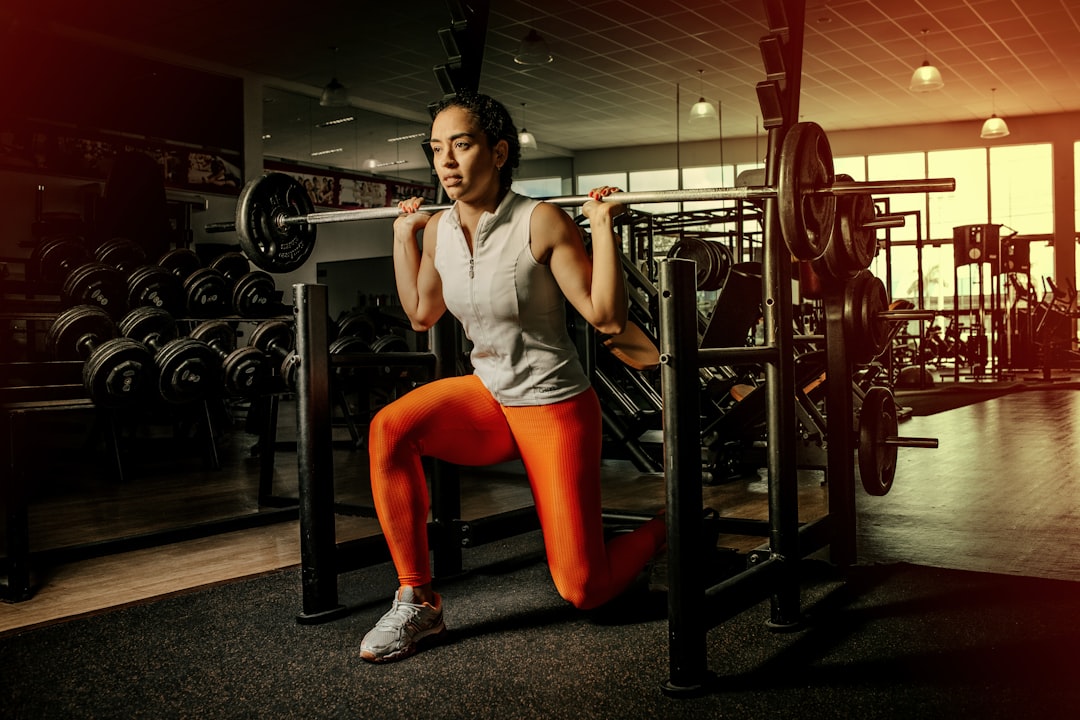
- 5. Lunges (Balance and Leg Strength)
- 6. Triceps Dips (Arm Sculptor)
- 7. Burpees (Full-Body Conditioning)
- How to Structure Your Bodyweight Workout
- Progressing Without Weights
- Frequently Asked Questions
Why Bodyweight Strength Training Works

Research shows bodyweight exercises can be just as effective as weighted workouts for building strength, especially for beginners and intermediates. A 2015 study found that push-ups and bench presses activate chest muscles similarly when performed at comparable intensity levels.
“The best exercise is the one you’ll actually do consistently. Bodyweight training removes all excuses—you can do it anywhere, anytime.” — Dr. Sarah Mitchell, Certified Strength Coach
The 7 Essential Bodyweight Strength Moves

1. Push-Ups (The Ultimate Upper Body Builder)
More than just a chest exercise, proper push-ups work your shoulders, triceps, and core. For a student pulling all-nighters or an office worker combating hunched shoulders, this move is gold.
- Start in plank position, hands slightly wider than shoulders
- Lower until chest nearly touches floor, elbows at 45° angle
- Push back up, keeping body rigid as a board
Pro tip: Can’t do full push-ups yet? Start with knee push-ups or elevate your hands on a sturdy chair.
2. Squats (The Leg Powerhouse)
Every time you sit down and stand up, you’re doing a partial squat. Mastering the full movement builds functional strength that helps parents lift kids and older adults maintain independence.
| Common Mistake | Fix |
|---|---|
| Knees caving inward | Push knees outward over toes |
| Leaning too far forward | Keep chest up, weight in heels |
3. Pull-Ups (The Back Strengthener)
Yes, you need a bar—but creative alternatives exist. A sturdy tree branch works for outdoor enthusiasts, while doorframe pull-up bars cost less than a month’s gym membership.
4. Plank (Core Stability Master)
New parents recovering from pregnancy or desk workers combating back pain will appreciate this isometric hold. Start with 20 seconds and work up to 2 minutes.
5. Lunges (Balance and Leg Strength)
Uneven surfaces like sand or grass add difficulty for outdoor exercisers. Perfect for runners looking to prevent injuries or travelers wanting a hotel room workout.
6. Triceps Dips (Arm Sculptor)
Use a park bench, coffee table, or even the edge of your bathtub. This move targets the “bat wing” area many office workers want to tone.
7. Burpees (Full-Body Conditioning)
The ultimate time-saver: combines strength and cardio in one move. Busy professionals can blast through 10 burpees in under a minute for a quick energy boost.
How to Structure Your Bodyweight Workout
For general strength, aim for:
- 3-4 sessions per week
- 3 sets of each exercise
- 8-15 reps per set (except planks—hold for time)
Sample routine for a busy schedule:
- Push-ups: 3×10
- Squats: 3×12
- Plank: 3×30 seconds
- Burpees: 3×8
Progressing Without Weights
As bodyweight exercises become easier, try these challenges:
- Single-leg squats instead of regular squats
- Archer push-ups (one arm extended wider)
- L-sit holds during pull-ups
Remember—consistency beats intensity. Doing these seven strength moves regularly with good form will build real-world strength that carries groceries, lifts kids, and keeps you moving well through every life stage.
Frequently Asked Questions
Absolutely! Research shows that bodyweight exercises can be just as effective as weighted workouts for building strength, especially for beginners and intermediates. For example, push-ups activate chest muscles similarly to bench presses when performed at comparable intensity levels.
No problem! Start with knee push-ups or elevate your hands on a sturdy chair to reduce the difficulty. As you get stronger, gradually work your way toward full push-ups. Consistency is key, so focus on progress rather than perfection.
While a pull-up bar is ideal, creative alternatives exist. A sturdy tree branch works for outdoor enthusiasts, and doorframe pull-up bars are an affordable option. If you’re traveling, look for playgrounds or parks with bars to continue your workout.
As you progress, try advanced variations like single-leg squats, archer push-ups, or L-sit holds during pull-ups. These modifications increase difficulty without requiring weights, keeping your workouts effective as you get stronger.
For general strength, aim for 3-4 sessions per week. Include 3 sets of each exercise with 8-15 reps per set (except planks, which are held for time). A sample routine might include push-ups, squats, planks, and burpees to cover all major muscle groups.
Yes, they’re perfect for beginners! Bodyweight exercises are scalable, meaning you can adjust them to your current fitness level. Start with simpler variations and gradually increase intensity as you build strength and confidence.