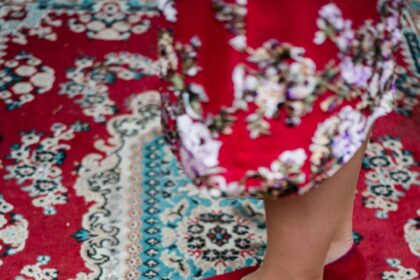






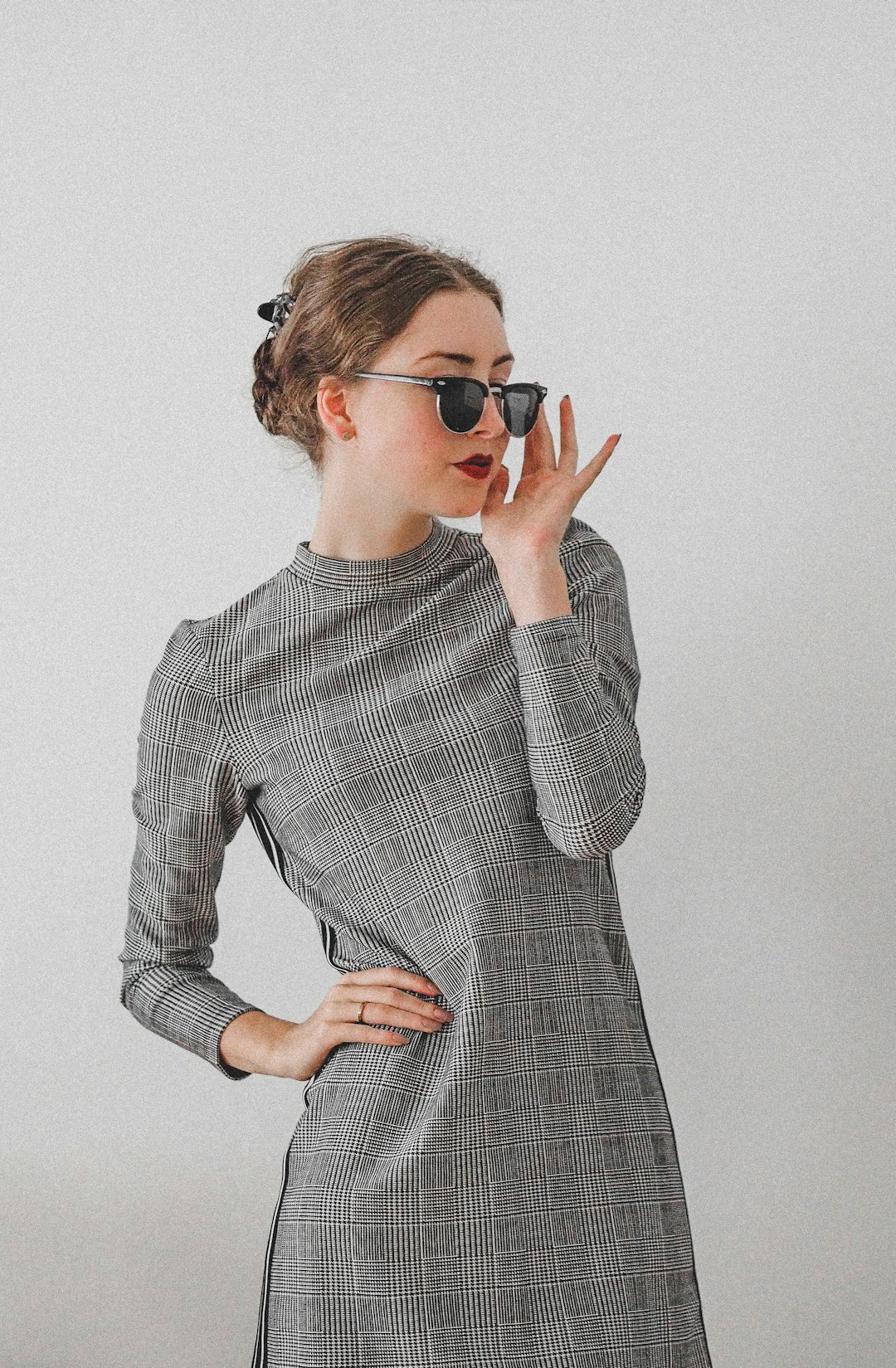
Pattern mixing can transform your wardrobe from predictable to head-turning. But if you’ve ever hesitated before pairing stripes with polka dots or florals with geometric prints, you’re not alone. The secret? It’s easier than you think—when you know the rules (and when to break them).
Why Pattern Mixing Works (When Done Right)

Think of patterns like spices in a recipe. Alone, they’re fine. Combined thoughtfully, they create something memorable. A teacher might pair a subtle pinstripe blazer with a tiny floral blouse for professional flair, while a graphic designer could rock bold color-blocking with abstract prints for creative energy.
“Start with one ‘loud’ pattern and one ‘quiet’ one—like pairing a large leopard print scarf with a thin-striped tee. It creates balance without competition.” — Maria Chen, Stylist
5 Foolproof Ways to Combine Patterns

- Stick to a color story
Choose two patterns that share at least one common color. A navy-and-white gingham shirt under a rust-colored floral blazer works because both have warm undertones. - Vary the scale
Pair large prints with small ones. A busy parent might wear wide-leg pants with big tropical leaves and a top featuring tiny dots—the contrast keeps it cohesive. - Use neutrals as anchors
A black-and-white striped dress becomes mix-friendly when layered under a colorful geometric cardigan. The stripes act as a neutral base. - Try the 70/30 rule
Let one pattern dominate (70% of the outfit) and use the second as an accent (30%). A student could wear mostly solid jeans with a plaid overshirt and a polka-dot bandana peeking from a pocket. - Match the vibe
Keep patterns in the same style family. Bohemian paisley pairs better with organic florals than with sharp graphic zigzags.
Real-World Example: The Small Business Owner
Jessica, who runs a boutique, mixes patterns daily. Her go-to? A houndstooth blazer (medium-scale black/white) over a cherry-red dress with micro-dots. The red ties to the blazer’s undertones, while the scale difference prevents clashing. She completes it with solid red pumps—proof that bold doesn’t mean chaotic.
Pattern Pairings That Always Work
| Primary Pattern | Secondary Pattern | Why It Works |
|---|---|---|
| Stripes (thin) | Florals (small) | Stripes act like a neutral; florals add softness |
| Animal print | Geometric (dots/grid) | Both have organic movement |
| Plaid | Paisley | Shared heritage in traditional menswear |
Common Mistakes (and How to Fix Them)
- Too many colors: If your plaid shirt has four colors, pick one hue for your secondary pattern instead of introducing new ones.
- Equal intensity: Two bold patterns compete. Tone one down—swap a neon graphic tee for its pastel version.
- Ignoring texture: A chunky knit with a delicate print can feel off. Pair similar fabric weights for harmony.
Quick Fix for the Office
Corporate settings need subtlety. Try a pinstripe suit with a tonal (same-color) micro-print blouse. From afar, it reads as solid; up close, it shows intentional detail.
Accessories: Your Secret Weapon
A patterned scarf, shoe, or bag lets you experiment without commitment. A retiree might wear a solid cobalt dress with a snakeskin belt and polka-dot flats—playful but polished.
Unexpected Win: Mixing Metallics as Patterns
Gold foil details on a skirt? Pair with a silver-threaded sweater. Metallics read as neutrals, making them perfect bridge pieces between prints.
When to Break the Rules
Once you’re comfortable, try “clashing” intentionally. A fashion blogger might pair clashing retro prints in the same color family (like mustard yellows) for Instagram-worthy contrast. The key? Confidence sells the look.
Remember, mastering how to mix patterns like a pro isn’t about perfection—it’s about personality. Start small, build your confidence, and soon you’ll be turning mismatched into masterful.
Frequently Asked Questions
Begin with one bold pattern and one subtle one—like a leopard print scarf with thin pinstripe pants. The contrast in scale creates balance. Another safe bet: pair any pattern with stripes, which act like a neutral base.
Absolutely. Try a pinstripe suit with a blouse featuring a tiny tonal print (like micro-dots in the same color). From a distance, it looks sophisticated; up close, it shows thoughtful detail. A houndstooth blazer over a small-scale floral dress also works for business casual.
Choose two patterns that share at least one common color. For example, pair a navy gingham shirt with a floral blazer containing navy accents. This creates cohesion even if the patterns are totally different styles.
Stick to two patterns when starting out. Once comfortable, add a third through accessories—like a polka-dot scarf with striped pants and a floral top. The 70/30 rule helps: let one pattern dominate (70% of the outfit) while others play supporting roles.
Yes! Thin stripes pair beautifully with small florals (stripes act neutral), and animal prints complement geometric dots. Plaid and paisley are another foolproof duo because they share traditional menswear roots.
Add solid neutrals to separate busy prints. For example, throw on a black blazer over a mixed-pattern shirt and skirt combo. Or swap one patterned item for a solid version in a shared color from your existing prints.