




Think low-impact workouts are just for seniors or beginners? Think again. These exercises can be just as effective as high-intensity routines—minus the strain on your joints. Whether you’re a busy parent, a student juggling classes, or someone recovering from an injury, low-impact doesn’t mean low results. Here’s how you can burn calories, build strength, and stay active without the pounding.
Why Low-Impact Workouts Are Worth Your Time

High-impact exercises like running or jumping can be tough on your knees, hips, and ankles. Low-impact workouts, on the other hand, keep one foot on the ground at all times, reducing stress on your joints. But don’t mistake gentleness for ineffectiveness. Studies show that activities like swimming or cycling can burn up to 500 calories per hour, depending on intensity. Plus, they’re easier to stick with long-term, making them a smart choice for sustainable fitness.
“Low-impact doesn’t mean low effort. You can still push yourself and see results without compromising your joints.” — Fitness Trainer Sarah Miller
1. Swimming: The Full-Body Burn

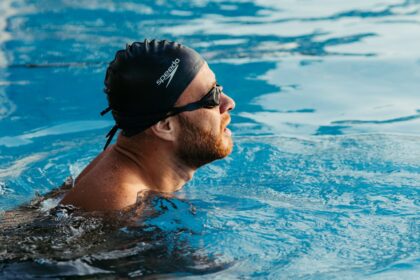
Swimming is a powerhouse workout. It engages almost every muscle group while being incredibly gentle on your body. A 155-pound person can burn around 400–500 calories in an hour of moderate swimming. The water’s resistance builds strength, and the buoyancy reduces strain on your joints. Whether you’re doing laps or trying water aerobics, swimming is perfect for all fitness levels.
Tips for Beginners
- Start with 20–30 minute sessions.
- Focus on proper breathing techniques.
- Mix strokes (freestyle, backstroke, breaststroke) to keep it interesting.
2. Cycling: Pedal Your Way to Fitness
Cycling, whether indoors or outdoors, is a fantastic way to torch calories without stressing your joints. An hour of moderate cycling can burn between 400–600 calories, depending on your speed and terrain. It’s also a great way to improve cardiovascular health and leg strength. Plus, it’s easy to fit into your routine—commute to work or hop on a stationary bike while catching up on your favorite show.
| Activity | Calories Burned (Hour) |
|---|---|
| Leisurely Cycling | 300–400 |
| Moderate Cycling | 400–600 |
| Vigorous Cycling | 600–800 |
3. Pilates: Build Strength and Flexibility
Pilates focuses on controlled movements and core strength. While it may not burn as many calories as swimming or cycling (around 200–400 per hour), it’s excellent for toning muscles and improving posture. Many people love Pilates because it’s low-impact yet challenging. It’s also adaptable—whether you’re using a mat or a reformer, you can tailor the workout to your fitness level.
Why Pilates Works
- Improves core strength and stability.
- Enhances flexibility and balance.
- Reduces risk of injury by focusing on proper form.
4. Rowing: Cardio and Strength in One
Rowing machines aren’t just for gym enthusiasts. They provide a full-body workout that combines cardio and strength training. A 155-pound person can burn around 500–600 calories per hour rowing at a moderate pace. The smooth, gliding motion minimizes joint impact while engaging your arms, legs, back, and core. It’s a great option if you’re looking for variety in your routine.
Getting Started
- Adjust the machine’s resistance to match your fitness level.
- Focus on proper technique to avoid strain.
- Aim for 10–20 minute intervals to build endurance.
5. Power Walking: Simple Yet Effective
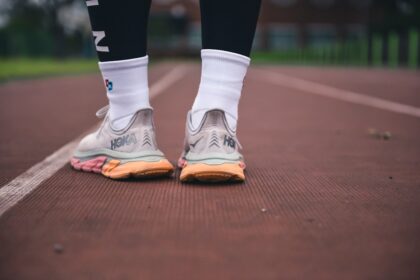
Don’t underestimate the power of a brisk walk. Power walking can burn 300–400 calories per hour, and it’s one of the easiest workouts to incorporate into your day. It’s kinder to your joints than running, and you can do it anywhere—around your neighborhood, at the park, or even on a treadmill. Add incline or weights for an extra challenge.
Take Emily, a busy mom of two, for example. She swapped her running routine for power walking after knee pain became an issue. “I was surprised at how much I sweat and how quickly I saw results,” she says. “Plus, I can bring my kids along in the stroller.”
How to Maximize Your Low-Impact Workouts
To get the most out of these exercises, focus on consistency and progression. Start with shorter sessions and gradually increase intensity or duration. Pair your workouts with a balanced diet for optimal results. And remember, listening to your body is key—push yourself, but don’t overdo it.
Low-impact workouts aren’t just a compromise; they’re a smart, sustainable way to stay fit. Whether you’re swimming laps, cycling through the park, or power walking with friends, these activities prove you don’t need high-impact moves to burn serious calories. So lace up those sneakers, grab your water bottle, and get moving—your body will thank you.
Frequently Asked Questions
Absolutely. Activities like swimming, cycling, and rowing can burn between 400–600 calories per hour, depending on intensity. For example, a 155-pound person can torch up to 500 calories in an hour of moderate swimming. Low-impact doesn’t mean low results—it’s all about consistency and effort.
Yes, they’re ideal for recovery. Low-impact workouts minimize stress on joints, making them safer for healing bodies. Swimming, for instance, uses water’s buoyancy to support your weight, while cycling avoids jarring movements. Always consult a doctor or physical therapist to tailor exercises to your specific needs.
Add variety by incorporating inclines, weights, or intervals. Walking uphill or carrying light hand weights can increase intensity, burning more calories. You can also alternate between brisk walking and slower recovery periods to boost endurance and calorie burn.
Rowing is a standout option. It engages your arms, legs, back, and core, blending cardio and strength training. At a moderate pace, rowing can burn 500–600 calories per hour while minimizing joint impact. Pilates is also excellent for core strength and muscle toning.
Definitely. Start with 10–20 minute sessions of activities like cycling or rowing. Even short bursts of consistent effort can yield results. For example, cycling indoors while watching TV or power walking during lunch breaks are practical ways to fit fitness into a busy schedule.
Yes, Pilates is fantastic for posture. It focuses on core strength, stability, and controlled movements, which help align your body and reduce strain on your back. Regular practice can also enhance flexibility and balance, making it a well-rounded choice for long-term health.