




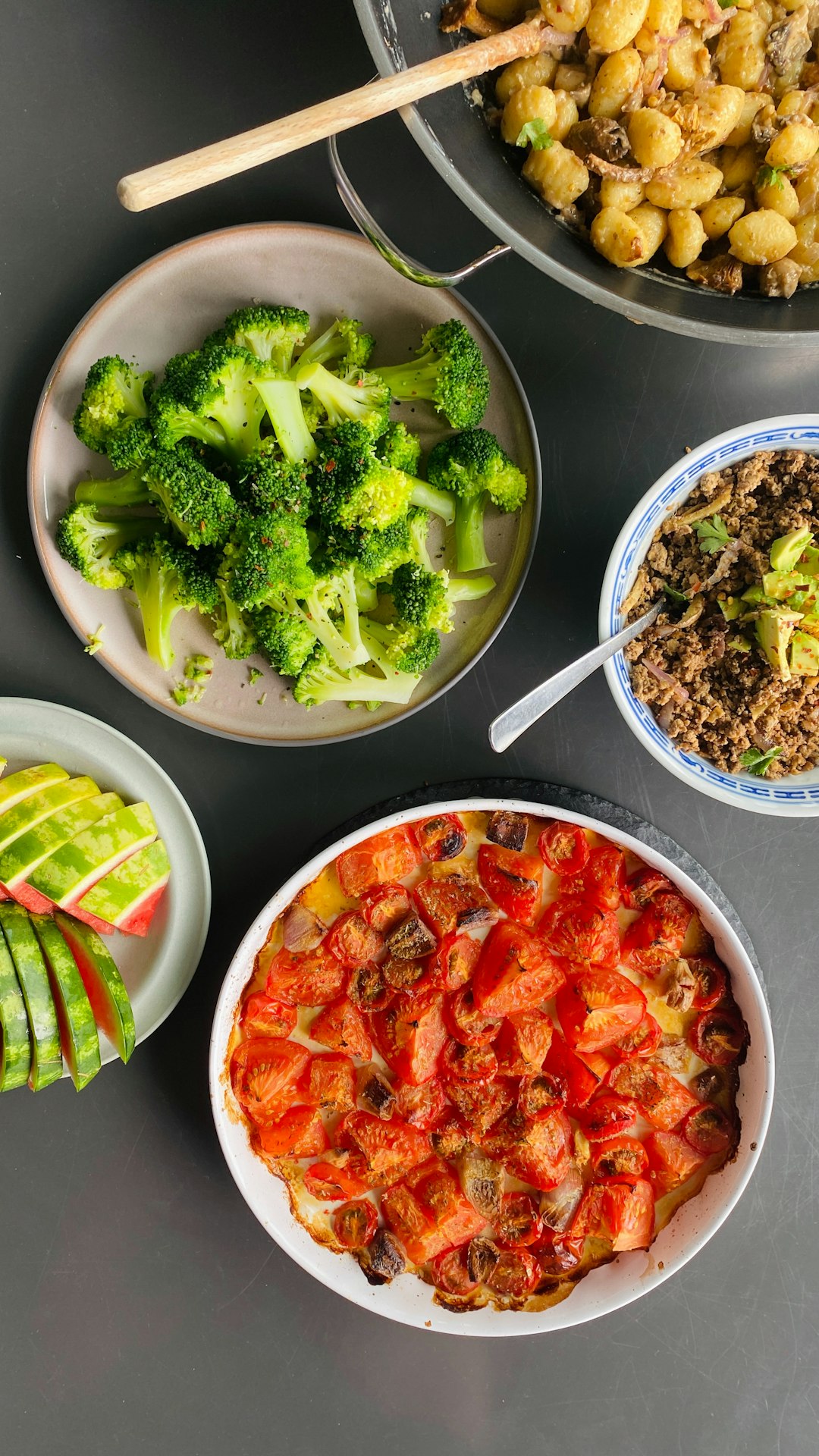
Ever finish a tough workout only to realize you have nothing nutritious ready to eat? You’re not alone. A solid post-workout meal helps your muscles recover, replenishes energy, and keeps cravings at bay—but when life gets busy, grabbing fast food or skipping meals becomes too easy.
The solution? Spend 2–3 hours prepping once, and you’ll have healthy meals ready all week. Whether you’re a parent juggling soccer practice and work, a student on a tight budget, or a freelancer with unpredictable hours, these strategies will fit your routine.
“Meal prep isn’t about perfection—it’s about making better choices easier.”
Step 1: Plan Your Meals Around Protein and Smart Carbs

After a workout, your body needs protein to repair muscles and carbs to restore glycogen. Aim for a 3:1 or 4:1 ratio of carbs to protein. Here’s how to build balanced meals:
- Pick 2–3 lean proteins: Chicken breast, turkey, tofu, or eggs. Batch-cook them for versatility.
- Choose complex carbs: Sweet potatoes, quinoa, or brown rice digest slowly for lasting energy.
- Add veggies for fiber: Roast broccoli, bell peppers, or zucchini—they reheat well.
Example Meal Combinations
| Protein | Carbs | Veggies |
|---|---|---|
| Grilled chicken | Quinoa | Roasted Brussels sprouts |
| Baked tofu | Sweet potato | Sautéed spinach |
Step 2: Prep Efficiently (Without Losing Your Mind)

Prepping five days’ worth of meals doesn’t mean slaving in the kitchen. Try these time-savers:
- Use the oven first: Roast veggies and proteins together at 400°F (20–30 mins).
- Cook grains in bulk: Make 3 cups of quinoa or rice—it keeps for 5 days.
- Chop once:
- Dice onions, peppers, and carrots for stir-fries or omelets.
- Wash and dry greens for salads.
Real-life tip: Sarah, a nurse working 12-hour shifts, preps mason jar salads—layered with dressing at the bottom, grains in the middle, and greens on top. They stay fresh for days.
Step 3: Store Food So It Stays Fresh
Nothing kills motivation like soggy veggies or dried-out chicken. Here’s how to store your meals:
- Invest in good containers: Glass or BPA-free plastic with tight seals.
- Portion proteins separately: Pre-slice chicken or tofu to avoid overcooking when reheating.
- Keep dressings/sauces on the side until you’re ready to eat.
Step 4: Mix and Match to Beat Boredom
Eating the same meal daily gets old fast. Build variety with these easy swaps:
| Base | Protein Swap | Flavor Boost |
|---|---|---|
| Brown rice | Shrimp instead of chicken | Lime + cilantro |
| Quinoa | Black beans instead of tofu | Avocado + hot sauce |
Quick Flavor Upgrades
- Spices: Cumin, paprika, or garlic powder add depth.
- Acids: A squeeze of lemon or vinegar brightens leftovers.
- Herbs: Toss in fresh basil or parsley before serving.
Step 5: Reheat Like a Pro
Microwaving turns chicken rubbery? Try these tricks:
- Add moisture: Drizzle a teaspoon of water or broth over proteins before reheating.
- Use medium power: 50–70% power heats food evenly.
- Stir halfway: Essential for grains and stews.
For crispy veggies: Reheat in a skillet with a little oil instead of the microwave.
Sample 5-Day Meal Prep Plan
Here’s a simple schedule for a week of post-workout meals:
- Monday/Wednesday/Friday: Grilled chicken, roasted sweet potatoes, steamed green beans.
- Tuesday/Thursday: Lentil curry with brown rice, side of sautéed kale.
- Snacks: Hard-boiled eggs, Greek yogurt with berries, or almond butter on rice cakes.
Adjust portions based on your calorie needs—a 150-lb athlete might need 400–500 calories per meal, while a 200-lb lifter could aim for 600–700.
Final Tips for Success
Meal prepping for workouts gets easier with practice. Remember:
- Start small—prep 3 days’ worth if 5 feels overwhelming.
- Double dinner recipes and pack leftovers for lunch.
- Keep emergency backups like canned tuna or frozen veggies.
Whether you’re fueling for marathon training or just trying to avoid the post-gym fast-food trap, a little prep goes a long way. Your body (and your schedule) will thank you.
Frequently Asked Questions
Aim for a 3:1 or 4:1 ratio of carbs to protein—for example, 1 cup of quinoa (40g carbs) with 4 oz of grilled chicken (30g protein). This combo helps restore glycogen and repairs muscles efficiently.
Roast proteins and veggies together at 400°F (20–30 mins), cook grains in bulk, and chop ingredients in one go. A nurse in the article saves time by prepping mason jar salads layered for freshness.
Use glass or BPA-free containers with tight seals, portion proteins separately to avoid drying out, and keep dressings on the side. Soggy veggies won’t stand a chance.
Drizzle a teaspoon of water over proteins before microwaving at 50–70% power. For crispy veggies, skip the microwave—reheat them in a skillet with a bit of oil.
Swap bases (like brown rice for quinoa), rotate proteins (try shrimp instead of chicken), and add quick flavor boosts like lime, hot sauce, or fresh herbs. The article includes a handy mix-and-match table.
Absolutely. Start with 3 days’ worth of meals, double dinner recipes for leftovers, and keep backups like canned tuna or frozen veggies. Even partial prep beats last-minute fast food.