




Meal prepping for two can feel like a balancing act. You want to save time and money, but you also don’t want to end up with a fridge full of leftovers that go bad. Whether you’re a busy parent juggling work and kids, a student on a budget, or a couple trying to eat healthier, streamlining your meal prep is totally doable. Here’s how to make it work without wasting food.
Why Meal Prepping for Two is Different

Prepping meals for two isn’t the same as cooking for a family of four or even a single person. You need smaller portions, but you still want variety. The key is to plan carefully and use ingredients that can stretch across multiple meals. For example, a rotisserie chicken can become dinner, a salad topping, and a sandwich filling—all in one week.
“The trick to meal prepping for two is flexibility. Build meals around ingredients that can be repurposed in different ways.”
Plan Your Meals Like a Pro

Start with a Realistic Plan
Before you hit the grocery store, take 10 minutes to map out your meals for the week. Think about what you and your partner (or roommate) actually enjoy eating. If you know you’ll skip the quinoa salad but devour the pasta, be honest about it. Planning meals you’ll actually eat is the first step to avoiding waste.
Use Overlapping Ingredients
Choose recipes that share some of the same ingredients. For instance, if you’re making roasted veggies for dinner, roast extra to toss into a grain bowl or omelet later in the week. This saves time and reduces the chance of unused produce wilting in your fridge.
| Ingredient | Meal 1 | Meal 2 |
|---|---|---|
| Chicken Breast | Grilled Chicken Salad | Chicken Stir-Fry |
| Bell Peppers | Stuffed Peppers | Fajita Bowl |
| Quinoa | Quinoa Salad | Quinoa Breakfast Bowl |
Portion Control is Key
Cooking for two means paying attention to portion sizes. It’s easy to accidentally make enough food for four, which can lead to leftovers that sit untouched. Here’s how to get it right:
- Use Smaller Containers: Divide meals into individual portions right away. This makes it easier to grab and go.
- Invest in a Kitchen Scale: Weighing ingredients ensures you’re not cooking more than you need.
- Freeze Extras: If you do end up with extra portions, freeze them for a quick meal later.
Store Food Smarter
Proper storage can make or break your meal prep. Here are some tips to keep your food fresh:
- Store cooked grains like rice or quinoa in airtight containers to prevent them from drying out.
- Keep herbs like cilantro or parsley in a jar of water, covered with a plastic bag, to extend their life.
- Use glass containers for soups and stews—they’re easier to reheat and won’t absorb odors.
Get Creative with Leftovers
Leftovers don’t have to be boring. With a little creativity, you can turn them into entirely new meals. For example:
- Use leftover roasted chicken to make tacos or a hearty soup.
- Turn extra roasted veggies into a frittata or a savory pancake.
- Blend leftover cooked beans into a dip or spread.
Shop Smart to Avoid Waste
Grocery shopping is where waste often starts. Here’s how to shop smarter:
- Stick to Your List: Impulse buys often end up unused. Plan your meals and buy only what you need.
- Buy in Bulk Wisely: Bulk items like rice or beans are great, but avoid buying perishables in bulk unless you’re sure you’ll use them.
- Choose Frozen Produce: Frozen fruits and veggies are just as nutritious as fresh and have a longer shelf life.
Make Meal Prep a Team Effort
If you’re prepping meals with a partner or roommate, divide the work. One person can chop veggies while the other cooks the protein. Not only does this make the process faster, but it also ensures you’re both invested in eating what’s prepared.
For example, Sarah and her husband, both busy professionals, spend Sunday afternoons prepping meals together. “It’s become our weekly ritual,” she says. “We listen to music, chat, and get a week’s worth of meals done in about an hour.”
Track What Works (and What Doesn’t)
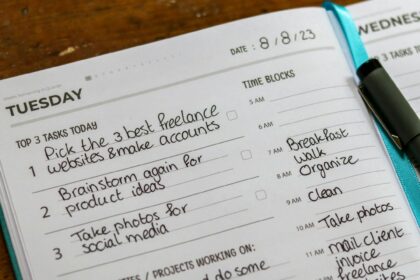
Keep a simple log of what meals you prepped and how they turned out. Did you love the stir-fry but skip the roasted broccoli? Adjust your plan for next week. Over time, you’ll refine your meal prep routine to fit your tastes and lifestyle.
Final Thoughts
Meal prepping for two doesn’t have to be complicated or wasteful. With a little planning, smart shopping, and creativity, you can enjoy delicious, homemade meals all week long—without throwing food away. Start small, experiment, and find what works best for you and your partner. Happy prepping!
Frequently Asked Questions
Plan meals around versatile ingredients that can be used in multiple dishes. For example, a rotisserie chicken can be repurposed for salads, sandwiches, and soups throughout the week. Stick to your grocery list and avoid impulse buys to reduce unused items.
Use smaller containers to divide meals into individual servings right after cooking. Investing in a kitchen scale can also help ensure you’re not preparing more than needed. If you have extra portions, freeze them for later use.
Transform leftovers into new meals by getting creative. For instance, turn roasted chicken into tacos or soup, or blend cooked beans into a dip. Experiment with different recipes to keep things fresh.
Use airtight containers for grains like rice or quinoa to prevent drying. Store herbs in a jar of water covered with a plastic bag to extend their shelf life. Glass containers are ideal for soups and stews, as they don’t absorb odors.
Choose recipes with overlapping ingredients to reduce prep time. For example, roast extra veggies to use in grain bowls or omelets later in the week. Divide tasks with your partner or roommate to make the process faster and more enjoyable.
Keep a simple log of the meals you prep and how they turn out. Note which dishes you loved and which ones you skipped. Over time, this will help you refine your meal plan to better suit your tastes and lifestyle.