






Working from home sounds like a dream—no commute, flexible hours, and the comfort of your own space. But let’s be honest, it’s not always easy to stay focused when your couch is calling or the laundry pile is staring you down. Whether you’re a small business owner juggling clients, a student balancing coursework, or a parent managing both work and family life, productivity can be a challenge. Here’s how to make remote work work for you.
Create a Dedicated Workspace

Your environment plays a huge role in how productive you are. Working from your bed might sound cozy, but it’s a recipe for distraction and procrastination. Instead, carve out a specific area in your home that’s just for work. It doesn’t have to be fancy—a corner of your dining table or a small desk in the guest room will do.
“Your workspace should signal to your brain that it’s time to work, not relax. Even small cues like a desk lamp or a specific chair can help.”
If space is tight, try using a folding desk or a portable laptop stand. The key is consistency. When you sit in that spot, your mind knows it’s time to focus.
Set a Routine (and Stick to It)

One of the biggest perks—and pitfalls—of remote work is flexibility. Without a structured schedule, it’s easy to drift through the day. Start by setting a consistent wake-up time and morning routine. This could include exercise, breakfast, or even just 10 minutes of meditation.
Here’s a simple routine to try:
- Wake up at the same time every day.
- Get dressed—yes, even if you’re not leaving the house.
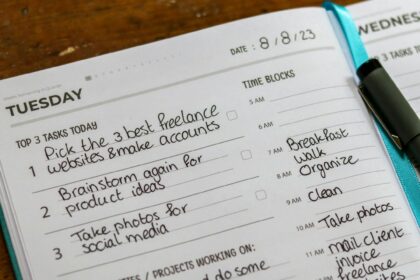
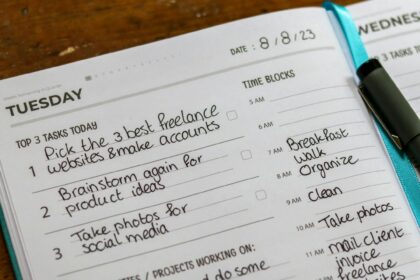
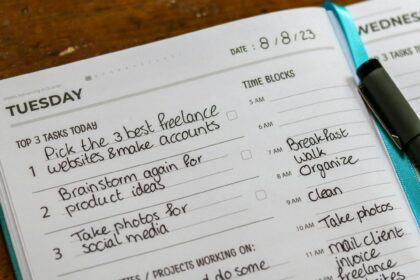
- Plan your top three tasks for the day.
- Start work at a set time.
Having a clear start and end to your workday helps create boundaries between work and personal life.
Minimize Distractions
Let’s face it—home is full of distractions. From Netflix to household chores, there’s always something vying for your attention. Here are a few ways to stay on track:
- Turn off notifications on your phone or use an app like Focus@Will to block distractions.
- Set specific times for checking emails or social media instead of scrolling throughout the day.
- Communicate with family members or roommates about your work hours to minimize interruptions.
For example, Sarah, a freelance graphic designer, uses noise-canceling headphones to signal to her kids that she’s in “work mode.” It’s a small but effective way to maintain focus.
Use Time Management Techniques
When you’re working remotely, time can slip away if you’re not careful. Techniques like the Pomodoro Method can help you stay on track. Here’s how it works:
- Set a timer for 25 minutes and focus on a single task.
- Take a 5-minute break when the timer goes off.
- After four cycles, take a longer break (15-30 minutes).
This method is especially helpful for tasks that feel overwhelming. Breaking them into smaller chunks makes them more manageable.
Pros and Cons of Remote Work Productivity Techniques
| Technique | Pros | Cons |
|---|---|---|
| Pomodoro Method | Improves focus, reduces burnout | May not work for deep, immersive tasks |
| Time Blocking | Helps prioritize tasks, creates structure | Requires discipline to stick to the schedule |
| Task Batching | Saves time by grouping similar tasks | Can feel repetitive |
Stay Connected with Your Team
Remote work can feel isolating, especially if you’re used to office camaraderie. Regular communication with your team is essential for staying motivated and aligned. Use tools like Slack, Zoom, or Microsoft Teams to check in daily.
For example, Mark, a project manager, schedules a quick 10-minute team huddle every morning to discuss priorities. It’s a simple way to stay connected and ensure everyone is on the same page.
Take Care of Yourself
Productivity isn’t just about work—it’s also about taking care of your physical and mental health. Make time for regular breaks, exercise, and healthy meals. Even a short walk around the block can refresh your mind and boost creativity.
Here’s a quick self-care checklist:
- Hydrate—keep a water bottle at your desk.
- Stretch—take a few minutes every hour to move your body.
- Unplug—step away from screens during breaks.
Evaluate and Adjust
What works for one person might not work for another. Regularly assess your productivity and make adjustments as needed. Are you more focused in the morning? Schedule your most challenging tasks then. Do you struggle with afternoon slumps? Take a longer break or switch to lighter tasks.
Remember, productivity isn’t about perfection—it’s about progress. Small, consistent changes can lead to big improvements over time.
Whether you’re new to remote work or a seasoned pro, these strategies can help you stay productive and make the most of your time at home. By creating a dedicated workspace, setting a routine, and minimizing distractions, you’ll find it easier to focus and achieve your goals. And don’t forget to take care of yourself along the way—after all, a healthy, happy you is the most productive version of you.
Frequently Asked Questions
Even in small spaces, you can carve out a functional workspace. Use a corner of your dining table, a folding desk, or a portable laptop stand. The key is consistency—make sure it’s a spot you associate only with work. Small cues like a desk lamp or a specific chair can help signal to your brain that it’s time to focus.
Start by waking up at the same time every day and getting dressed, even if you’re not leaving the house. Plan your top three tasks and set a specific start time for work. Having a clear routine creates boundaries between work and personal life, making it easier to stay focused.
Turn off phone notifications, use apps like Focus@Will, and set specific times for checking emails or social media. Communicate with family or roommates about your work hours to reduce interruptions. For example, noise-canceling headphones can signal to others that you’re in “work mode.”
The Pomodoro Method involves working for 25 minutes, then taking a 5-minute break. After four cycles, take a longer break of 15–30 minutes. This technique helps break overwhelming tasks into manageable chunks, improving focus and reducing burnout.
Schedule regular check-ins using tools like Slack, Zoom, or Microsoft Teams. For example, a quick 10-minute team huddle each morning can help align priorities and maintain camaraderie. Consistent communication keeps everyone motivated and on the same page.
Stay hydrated, stretch every hour, and take regular breaks away from screens. Even a short walk can refresh your mind and boost creativity. Balancing work with self-care ensures you stay healthy and productive in the long run.