




Let’s be honest: when your calendar is packed with meetings, errands, and responsibilities, “self-care” often feels like a luxury you can’t afford. But here’s the truth—ignoring it leads to burnout, and burnout makes everything harder. The key isn’t carving out hours; it’s weaving small, intentional moments into your existing routine.
- Why Tiny Self-Care Habits Beat Grand Gestures
- Step 1: Audit Your Daily Energy Dips and Peaks
- Step 2: Stack Habits for Effortless Consistency
- Step 3: Redefine What “Counts” as Self-Care
- Step 4: Protect Your Routine Like a Meeting
- When Life Gets Chaotic: The Emergency Self-Care Kit
- Final Thought: It’s About Sustainability, Not Sacrifice
- Frequently Asked Questions
Why Tiny Self-Care Habits Beat Grand Gestures

Many people imagine self-care as spa days or weekend retreats. But for a nurse working 12-hour shifts, a startup founder juggling investor calls, or a parent managing soccer practice and meal prep, those big blocks of time simply don’t exist. Research shows that micro-moments of self-care—think 2–5 minutes—can reduce stress just as effectively as longer breaks when done consistently.
“Self-care isn’t selfish. It’s the oxygen mask principle: you can’t pour from an empty cup.” — Dr. Sarah Johnson, clinical psychologist
Step 1: Audit Your Daily Energy Dips and Peaks

Self-care works best when it aligns with your natural rhythm. Grab a notebook and track your energy for three days:
- Morning: Are you groggy or focused?
- Midday: Do you crash after lunch?
- Evening: Are you wired or exhausted?
Example: Marcus, a freelance designer, realized his energy plummeted at 3 PM. Instead of fighting it, he now uses that time for a 10-minute walk—his version of a reset button.
Quick Energy Boosters for Common Slumps
| When | Activity | Time Needed |
|---|---|---|
| Morning rush | Deep breathing while coffee brews | 2 minutes |
| Post-lunch slump | Stretching at your desk | 5 minutes |
| Late-night wind-down | Gratitude journaling | 3 minutes |
Step 2: Stack Habits for Effortless Consistency
Habit stacking—pairing a new habit with an existing one—sneaks self-care into your routine without extra effort. Try these combos:
- After brushing your teeth: Say one affirmation aloud (“I’ve got this”).
- While waiting for a meeting to start: Sip water mindfully instead of checking email.
- During your commute: Listen to a calming playlist or podcast.
Maria, a teacher and mom of two, stacks hydration with her kids’ snack time—they all drink water together, making it a family ritual.
Step 3: Redefine What “Counts” as Self-Care
Self-care isn’t just face masks and yoga. It’s any action that preserves your mental, emotional, or physical well-being. For busy people, it often looks like:
- Practical care: Meal prepping on Sundays to avoid weekday stress.
- Boundary-setting: Saying no to a non-urgent request.
- Digital detox: Turning off notifications after 8 PM.
The 5-Minute Rule
If an activity takes less than five minutes and makes you feel recharged, it’s valid self-care. Folding laundry while listening to an audiobook? Absolutely. Dancing to one favorite song between tasks? That counts too.
Step 4: Protect Your Routine Like a Meeting
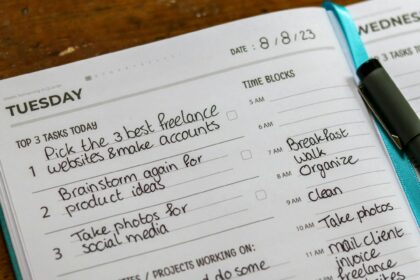
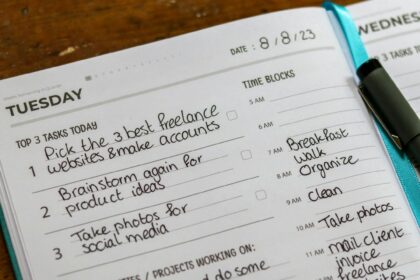
Treat self-care blocks as non-negotiable appointments. Block them in your calendar with a clear label (“3 PM – Fresh Air Break”). Start small—even five minutes daily builds the habit. Over time, you’ll notice:
- Fewer afternoon headaches (hydration breaks work).
- Better focus during work sprints (thanks to micro-breaks).
- More patience with your kids or coworkers.
James, a startup CEO, schedules a “no-screens” lunch break three times a week. It’s become his secret weapon for clarity.
When Life Gets Chaotic: The Emergency Self-Care Kit
Some days, even five minutes feels impossible. Prep a go-to list of 30-second resets for those moments:
- Hum a tune you love.
- Name three things you see around you (grounding technique).
- Apply hand cream and take one deep breath.
Remember: consistency beats perfection. Missed your morning meditation? Do one minute at a red light. The goal is progress, not a flawless routine.
Final Thought: It’s About Sustainability, Not Sacrifice
Building a self-care habit that fits a packed schedule isn’t about adding more to your plate—it’s about working smarter with what you already have. Start with one tiny change this week. Notice what shifts. Then build from there.
Your future self will thank you.
Frequently Asked Questions
Focus on micro-moments—2 to 5 minute activities that align with your natural energy dips. For example, stretch at your desk during a post-lunch slump or practice deep breathing while waiting for your coffee to brew. These small, consistent actions add up without requiring big time blocks.
It’s anything that protects your well-being, even if it doesn’t look Instagram-perfect. Meal prepping to reduce stress, saying no to extra commitments, or turning off notifications at night all qualify. If it recharges you in under five minutes (like dancing to one song), it’s valid.
Try habit stacking: pair new self-care actions with existing routines. For instance, say an affirmation after brushing your teeth or hydrate mindfully during your kids’ snack time. Schedule micro-breaks in your calendar like important meetings—even labeling them helps.
Keep emergency resets handy: hum a favorite song, name three objects around you to ground yourself, or take one intentional breath while applying hand cream. These tiny pauses can interrupt stress spirals during chaotic moments.
Track your energy for three days to spot patterns (e.g., a 3 PM slump). Match activities to those dips—like a walk when energy crashes or gratitude journaling before bed. The key is working with your rhythm, not against it.