





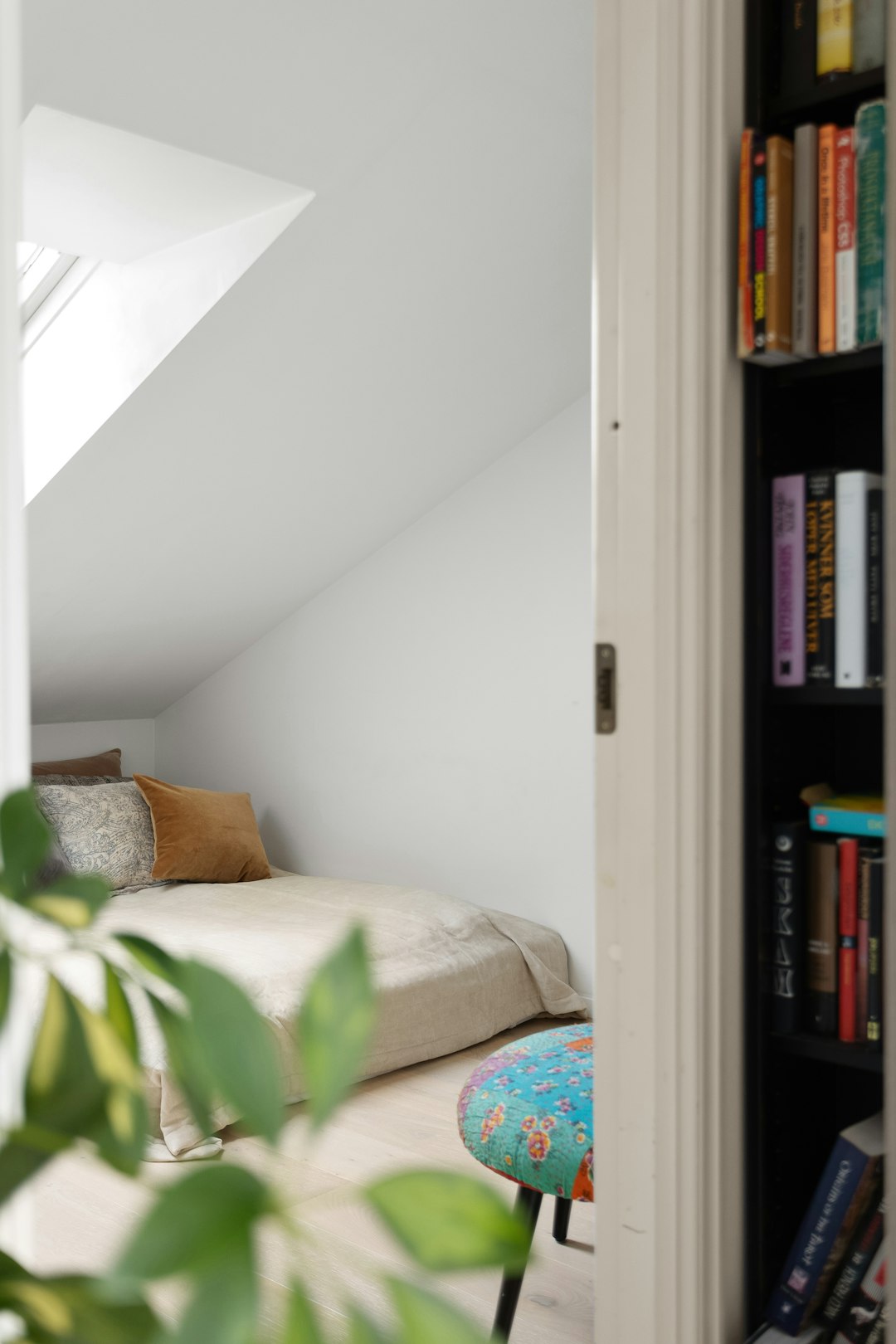
Picture this: a quiet corner where you can curl up with a book, sip tea, and forget the world for a while. You don’t need a library or a spare room to make it happen. With a little creativity, you can carve out a snug reading spot anywhere—whether you live in a studio apartment or a five-bedroom house.
Why Every Home Needs a Reading Nook

Reading nooks aren’t just for book lovers. They’re personal retreats—a place to unwind, reflect, or even take a quick nap. A well-designed nook can:
- Make small spaces feel intentional and inviting
- Encourage you to read more (or finally start that book club)
- Add character to underused corners
“Your reading nook should feel like a hug. If it doesn’t make you want to stay awhile, keep tweaking it.” — Sarah, a librarian who’s designed over 20 nooks for clients
Step 1: Choose Your Spot

Great reading corners often hide in plain sight. Look for:
- Natural light zones – Window seats or spaces near lamps
- Underused corners – That awkward space behind the couch? Perfect.
- Multi-functional areas – A bedroom bench that doubles as book storage
Jen, a busy mom in Chicago, turned her closet’s empty wall niche into a mini reading cave for her kids by adding floor cushions and string lights. “It’s their favorite ‘secret’ spot now,” she says.
Step 2: Comfort Is Key
No one reads comfortably on a wooden stool for long. Prioritize plushness:
| Element | Budget Option | Splurge-Worthy |
|---|---|---|
| Seating | Floor pillows + thrifted armchair | Custom window seat with storage |
| Lighting | Clip-on book light | Adjustable floor lamp |
| Textiles | Fleece throw blanket | Cashmere wrap |
Pro Tip: Layer Your Comfort
Start with a supportive seat (like a firm cushion or chair), then add softness: a knitted throw, a small pillow for lumbar support, and maybe a footstool. Tom, a freelance writer, swears by his $20 memory foam seat pad: “It makes my cheap IKEA chair feel like a throne.”
Step 3: Set the Mood With Lighting
Bad lighting ruins the vibe faster than a spoiler. Aim for:
- Task lighting – A 60-watt bulb (or equivalent LED) positioned slightly behind your shoulder
- Ambient glow – Fairy lights or a salt lamp for softer illumination
- Natural light control – Sheer curtains to diffuse harsh sunlight
College student Aisha uses a $15 LED floor lamp with adjustable color temperature: “Warm light for novels, cool white for textbooks.”
Step 4: Personalize Your Space
This is where your nook stops being generic and starts feeling like yours. Try:
- A tiny side table for coffee (or wine)
- A scented candle in your favorite fragrance
- Artwork or photos that inspire calm
Retiree Margaret turned her balcony corner into a Parisian café-inspired nook with a bistro chair, vintage postcards, and a small rug. “It’s my daily escape,” she says.
Creative Nook Ideas for Different Spaces
For Small Apartments
No spare room? No problem. Use vertical space:
- Wall-mounted shelves next to a compact chair
- A fold-down desk that converts to a reading ledge
- Over-the-armrest book caddies
For Shared Spaces
Make your nook adaptable:
- Ottomans with hidden storage for books
- Lightweight floor chairs you can move easily
- Room dividers (even a tall plant works) to define the area
Maintenance: Keep Your Nook Inviting
A neglected reading spot gathers dust—both literally and metaphorically. Spend 5 minutes weekly to:
- Fluff pillows and refold blankets
- Wipe down surfaces
- Rotate books or decor to keep it fresh
Remember, your cozy reading corner should evolve with you. Swap out seasonal decor, try new seating arrangements, or even relocate it entirely if the mood strikes. The goal isn’t perfection—it’s creating a space where you actually want to spend time.
Now grab that book you’ve been meaning to read, and go claim your corner. Your future self, curled up with a great story and zero distractions, will thank you.
Frequently Asked Questions
Look for overlooked spaces like the area behind a couch, under a staircase, or even a closet niche. Jen, a Chicago mom, transformed her closet’s empty wall into a cozy spot with floor cushions and string lights—now her kids’ favorite hideaway.
Start with thrifted or repurposed items: a secondhand armchair, memory foam seat pads ($20 or less), and fleece blankets. Tom, a writer, upgraded his IKEA chair with a cheap seat pad that feels “like a throne.” Layer textures for warmth without breaking the bank.
Use adjustable, plug-in options like clip-on book lights or LED floor lamps (around $15). Aisha, a student, uses a lamp with color temperature settings—warm for leisure reading, cool for studying. Position lights slightly behind you to reduce glare.
Spend 5 minutes weekly fluffing pillows, rotating decor, or wiping surfaces. Swap out a throw blanket or add a scented candle for instant coziness. Margaret revived her balcony nook with a small rug and vintage postcards for a fresh vibe.
Use adaptable pieces like storage ottomans for books, lightweight floor chairs, or room dividers (even a tall plant works). This keeps the space flexible and defined without permanent changes.
Absolutely! Prioritize layered lighting: a bright task lamp (60-watt equivalent) paired with ambient options like fairy lights or a salt lamp. Sheer curtains aren’t just for windows—draping them nearby can soften artificial light.