




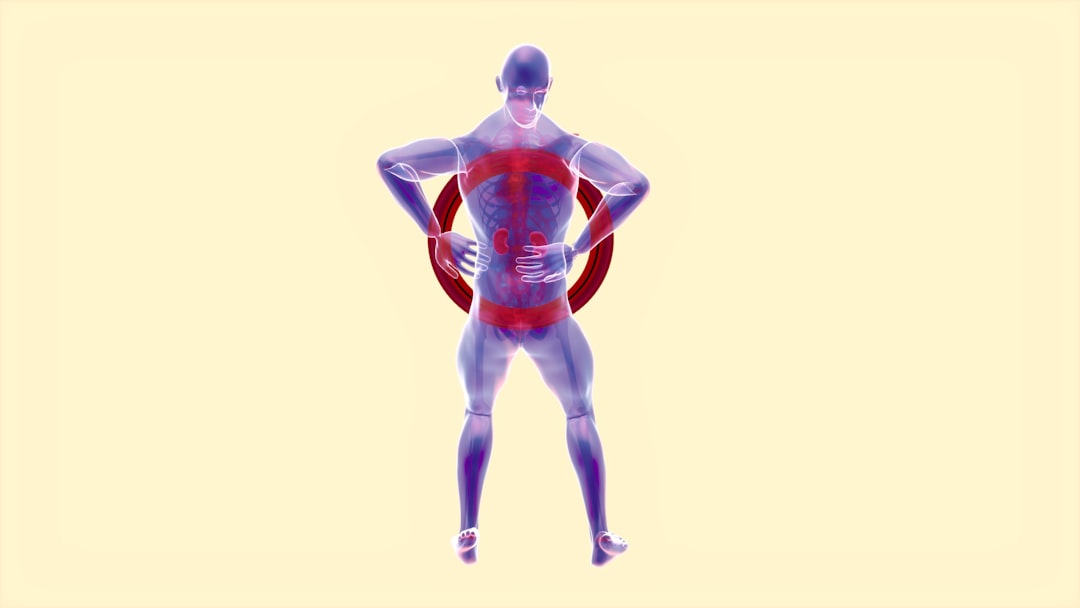
Ever woken up after a tough workout feeling like your muscles are staging a rebellion? You’re not alone. Muscle soreness is a universal experience, whether you’re a gym newbie, a marathon runner, or someone who just overdid it moving furniture. But what’s really going on when your body feels this way? And more importantly, how can you recover faster and get back to your routine? Let’s break it down.
Why Do Muscles Get Sore?

Muscle soreness, also known as delayed onset muscle soreness (DOMS), typically kicks in 12 to 24 hours after exercise and peaks around 48 hours. It’s that stiff, achy feeling that makes walking down stairs or lifting your arms a challenge. But why does it happen?
When you push your muscles harder than they’re used to—whether through weightlifting, running, or even yoga—tiny tears occur in the muscle fibers. This is a normal part of the muscle-building process. Your body responds by sending white blood cells and fluids to the area, which causes inflammation and triggers pain receptors.
“Muscle soreness is your body’s way of saying, ‘Hey, I’m adapting to something new.’ It’s not necessarily a bad thing—it’s a sign of growth.”
Is All Soreness the Same?
Not all soreness is created equal. There’s acute soreness, which happens during or immediately after exercise, and DOMS, which shows up later. Acute soreness is often due to lactic acid buildup, while DOMS is linked to those micro-tears. Understanding the difference can help you tailor your recovery methods.
| Type of Soreness | Causes | Duration |
|---|---|---|
| Acute Soreness | Lactic acid buildup during exercise | Few hours |
| DOMS | Micro-tears in muscle fibers | Up to 72 hours |
How to Recover Faster

While soreness is a natural part of fitness, there are ways to speed up recovery and reduce discomfort. Here are some tried-and-true strategies:
1. Stay Hydrated
Dehydration can worsen muscle soreness. Water helps flush out toxins and delivers nutrients to your muscles. Aim for at least 8 cups a day, more if you’re sweating heavily.
2. Eat for Recovery
Your body needs fuel to repair itself. Focus on protein-rich foods like chicken, eggs, or tofu to rebuild muscle fibers. Add complex carbs like sweet potatoes or quinoa to replenish glycogen stores.
3. Get Moving (Yes, Really)
Light exercise, like walking or gentle yoga, can increase blood flow to sore muscles and speed up recovery. It might feel counterintuitive, but movement helps reduce stiffness.
4. Try Foam Rolling
Foam rolling is like a DIY massage for your muscles. It helps release tightness and improve circulation. Spend 5–10 minutes rolling out the sore areas.
5. Prioritize Sleep
Sleep is when your body does most of its repair work. Aim for 7–9 hours of quality sleep to give your muscles the downtime they need.
Common Myths About Muscle Soreness
There’s a lot of misinformation out there about soreness. Let’s clear up a few myths:
- Myth: No pain, no gain. Truth: Pain isn’t always a sign of progress. Overtraining can lead to injury.
- Myth: Stretching prevents soreness. Truth: While stretching feels good, it doesn’t necessarily prevent DOMS.
- Myth: Soreness means you had a good workout. Truth: Soreness is just your body adapting. You can still have effective workouts without feeling sore.
Real-Life Recovery Tips
Let’s look at how different people approach recovery:
The Busy Parent
Emma, a mom of two, squeezes in workouts during nap time. To recover, she keeps a water bottle handy and snacks on protein-rich foods like Greek yogurt or nuts. She also uses a foam roller while watching TV in the evening.
The College Student
Jake, a college athlete, prioritizes sleep and hydration. After intense practices, he drinks a protein shake and takes an Epsom salt bath to relax his muscles.
The Small Business Owner
Maria, who runs a bakery, stays on her feet all day. She incorporates gentle yoga stretches into her morning routine to prevent stiffness and soreness.
When to See a Doctor
While muscle soreness is usually harmless, there are times when it’s worth seeking medical advice. If you experience severe pain, swelling, or soreness that lasts more than a week, it could be a sign of something more serious, like a strain or rhabdomyolysis. Don’t hesitate to consult a healthcare professional.
The Bottom Line
Understanding the science behind muscle soreness can help you approach recovery more effectively. Whether you’re a fitness enthusiast or just getting started, listening to your body and using these strategies can make a big difference. Remember, soreness is a sign that your body is adapting, but it doesn’t have to slow you down.
So next time you’re feeling achy after a workout, try hydrating, moving gently, and giving your muscles the care they need. Your body will thank you—and you’ll be back to your routine in no time.
Frequently Asked Questions
Acute soreness happens during or right after exercise, often due to lactic acid buildup, and fades within a few hours. DOMS, or delayed onset muscle soreness, appears 12 to 24 hours later, peaks around 48 hours, and is caused by micro-tears in muscle fibers. Knowing the difference helps you choose the right recovery methods.
Not necessarily. While stretching can feel good and improve flexibility, it doesn’t prevent DOMS. Focus instead on hydration, light movement, and proper nutrition to help your muscles recover more effectively.
Yes, but keep it light. Gentle activities like walking or yoga can increase blood flow and reduce stiffness. Avoid intense workouts until your muscles feel better, as pushing too hard can delay recovery or lead to injury.
Water flushes out toxins and delivers nutrients to your muscles, speeding up the repair process. Dehydration can worsen soreness, so aim for at least 8 cups of water daily—more if you’re sweating heavily during workouts.
If you experience severe pain, swelling, or soreness that lasts more than a week, it could signal a strain or a more serious condition like rhabdomyolysis. In these cases, consult a healthcare professional for advice.
Not always. Soreness simply means your body is adapting to new or intense activity. You can still have effective workouts without feeling sore, so don’t rely on soreness as a measure of progress.