






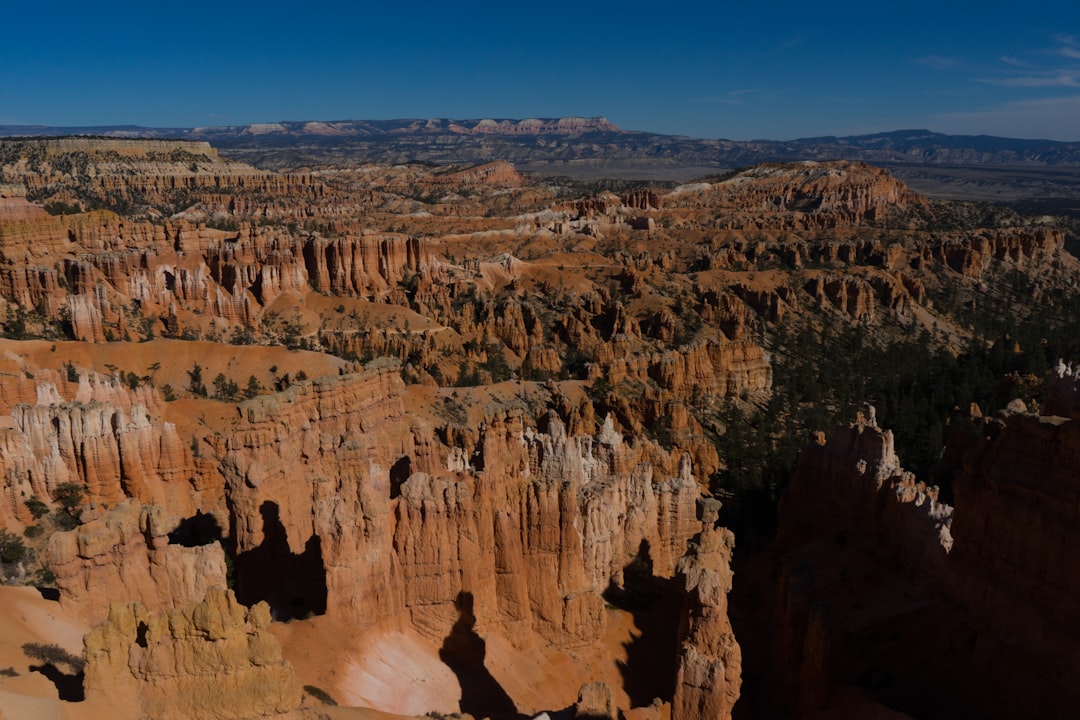
When most people think of national parks in the U.S., iconic spots like Yellowstone, Yosemite, and the Grand Canyon come to mind. While these parks are breathtaking, they’re also packed with visitors—especially during peak seasons. If you’re craving solitude, adventure, and the chance to explore lesser-known beauty, these 7 hidden gem national parks are waiting for you.
- Why Explore Lesser-Known National Parks?
- Top 7 Hidden Gem National Parks
- 1. Capitol Reef National Park, Utah
- 2. North Cascades National Park, Washington
- 3. Great Basin National Park, Nevada
- 4. Isle Royale National Park, Michigan
- 5. Congaree National Park, South Carolina
- 6. Guadalupe Mountains National Park, Texas
- 7. Channel Islands National Park, California
- Tips for Visiting These Parks
- Why These Parks Matter
- Comparing Crowds: Hidden Gems vs. Popular Parks
- Who Should Visit These Parks?
- Frequently Asked Questions
Why Explore Lesser-Known National Parks?

Imagine hiking through pristine forests, standing atop rugged cliffs, or kayaking on serene lakes—all without jostling for space. Smaller crowds mean more opportunities to connect with nature, take stunning photos without strangers in the frame, and enjoy a quieter pace. Plus, these parks often come with unique features you won’t find in the more famous destinations.
Top 7 Hidden Gem National Parks

Here’s a closer look at these underrated treasures:
1. Capitol Reef National Park, Utah
While Utah’s “Mighty 5” parks (Zion, Bryce Canyon, Arches, Canyonlands, and Capitol Reef) are all stunning, Capitol Reef often flies under the radar. Its Waterpocket Fold—a 100-mile-long wrinkle in the Earth’s crust—offers dramatic landscapes without the crowds. You can explore orchards planted by early settlers, hike to hidden canyons, and even enjoy homemade pies at the Gifford Homestead.
2. North Cascades National Park, Washington
Known as the “American Alps,” North Cascades is a paradise for hikers and backpackers. With jagged peaks, turquoise lakes, and over 300 glaciers, it’s a wilderness lover’s dream. Unlike nearby Mount Rainier, it sees fewer visitors, making it perfect for those who want to escape the hustle and bustle.
3. Great Basin National Park, Nevada
Tucked away in eastern Nevada, Great Basin is a hidden gem that offers a surprising range of experiences. Hike to the 13,000-foot summit of Wheeler Peak, explore ancient bristlecone pine groves, or venture into Lehman Caves—a stunning underground labyrinth. The park’s remote location means you’ll often have trails all to yourself.
4. Isle Royale National Park, Michigan
Accessible only by boat or seaplane, Isle Royale is one of the least-visited national parks in the U.S. This island in Lake Superior is a haven for backpackers, kayakers, and wildlife enthusiasts. Keep an eye out for moose, wolves, and foxes as you traverse its rugged terrain.
5. Congaree National Park, South Carolina
Congaree is a hidden gem for nature lovers and birdwatchers. Its old-growth hardwood forest is home to some of the tallest trees in the eastern U.S. Paddle through the park’s waterways, hike the boardwalk trails, and soak in the serene beauty of this swampy wonderland.
6. Guadalupe Mountains National Park, Texas
Home to the highest peak in Texas, Guadalupe Mountains offers rugged desert landscapes, vast canyons, and unique flora and fauna. It’s a hiker’s paradise, with trails ranging from easy strolls to challenging climbs. The park’s remote location ensures peace and quiet.
7. Channel Islands National Park, California
Just off the coast of Southern California, the Channel Islands are often overlooked despite their incredible biodiversity. Each of the five islands has its own unique charm, from sea caves and kelp forests to rugged cliffs and pristine beaches. Kayaking, snorkeling, and wildlife spotting are popular activities here.
Tips for Visiting These Parks
To make the most of your visit, keep these tips in mind:
- Plan Ahead: While these parks are less crowded, some still require permits for camping or specific activities.
- Pack Wisely: Many of these parks are remote, so bring plenty of water, food, and emergency supplies.
- Respect Wildlife: These areas are home to diverse species—keep a safe distance and follow park guidelines.
- Leave No Trace: Help preserve these pristine environments by packing out all trash and minimizing your impact.
Why These Parks Matter
These lesser-known national parks aren’t just alternatives to the crowded classics—they’re vital ecosystems that deserve our attention and protection. By visiting them, you’re supporting conservation efforts and helping to spread awareness about these incredible places.
“Exploring these hidden gems reminds us that adventure isn’t just about the destination—it’s about the journey and the moments of solitude along the way.”
Comparing Crowds: Hidden Gems vs. Popular Parks
Here’s a quick comparison of annual visitors to some popular parks versus these hidden gems:
| Park | Annual Visitors |
|---|---|
| Yellowstone | ~4 million |
| Great Smoky Mountains | ~12 million |
| Great Basin | ~150,000 |
| Isle Royale | ~25,000 |
As you can see, these hidden gems offer a chance to experience national parks in a more intimate way.
Who Should Visit These Parks?
These parks are perfect for:
- Busy Professionals: Looking for a quick escape from the daily grind.
- Families: Wanting to introduce kids to nature without overwhelming crowds.
- Photographers: Seeking untouched landscapes and unique shots.
- Adventure Seekers: Ready to tackle remote trails and explore uncharted territory.
Whether you’re a seasoned traveler or a first-time visitor, these lesser-known national parks offer something special for everyone. So pack your bags, lace up your hiking boots, and get ready to discover the beauty of these hidden gems.
Frequently Asked Questions
Capitol Reef stands out for its 100-mile-long Waterpocket Fold—a dramatic geological feature—plus historic orchards and the charming Gifford Homestead. You’ll experience Utah’s iconic red rock scenery with far fewer crowds than Zion or Arches.
Access requires planning: you’ll need to take a ferry (6-hour ride from Michigan) or seaplane. The extra effort pays off with exceptional solitude—you might share trails with more moose than people.
Start with the 2.4-mile Boardwalk Loop through towering hardwoods, then rent a canoe to paddle Cedar Creek. Morning visits offer the best wildlife sightings and misty swamp photography opportunities.
With over 300 glaciers, jagged peaks like Mount Shuksan, and turquoise lakes, the landscape closely resembles the European Alps. The park’s 400+ miles of trails let you explore this dramatic terrain with minimal crowds.
You can stand among 5,000-year-old bristlecone pines—some of Earth’s oldest living things—then descend into Lehman Caves’ marble passageways. The park’s high elevation (up to 13,000 feet) creates surprisingly diverse ecosystems.
Weekdays in spring (April-May) offer ideal conditions—wildflowers bloom, whale migrations pass by, and summer vacation crowds haven’t arrived yet. Water temperatures are chilly year-round, so bring a wetsuit for snorkeling.