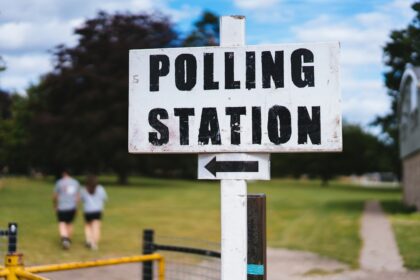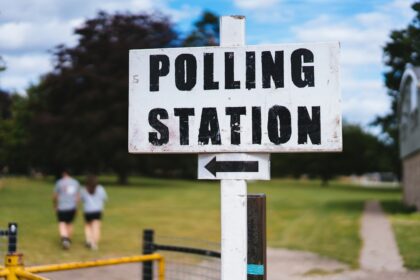






When it comes to elections, everyone seems to have an opinion about why people don’t vote. But how many of those assumptions are actually true? From “young people never vote” to “bad weather kills turnout,” we’re tackling the most stubborn myths with real data—and what they mean for your next trip to the polls.
- Myth 1: Younger Generations Don’t Care About Voting
- Myth 2: Bad Weather Dramatically Lowers Turnout
- Myth 3: Voting by Mail Leads to Fraud
- Myth 4: Midterm Elections Don’t Matter as Much
- Myth 5: Social Media Campaigns Drive Most Turnout
- Myth 6: Non-Voters Are Just Lazy
- Myth 7: My Vote Doesn’t Count Anyway
- Frequently Asked Questions
Myth 1: Younger Generations Don’t Care About Voting

The stereotype of apathetic young voters persists, but the numbers tell a different story. In the 2020 U.S. election, 50% of voters aged 18–29 cast ballots—a 11-point jump from 2016. When issues like student debt or climate policy take center stage, youth engagement spikes. Take Maria, a 22-year-old college student who organized dorm registration drives: “My friends showed up when they saw how local elections affected our tuition grants.”
What Actually Works for Young Voters
- Peer-to-peer outreach (texts from friends beat generic ads)
- Clear explanations of how policies impact daily life
- Same-day registration options
Myth 2: Bad Weather Dramatically Lowers Turnout

While torrential downpours might deter some, research from the Journal of Politics found that rain reduces turnout by less than 1% per inch. Snow has a slightly bigger effect (2–5%), but committed voters find ways. In Minnesota’s 2018 midterms—where temps hovered near freezing—turnout hit a 60-year high. As one campaign volunteer noted:
“People who plan to vote don’t let weather stop them. It’s the ‘maybe’ voters who need reminders that umbrellas exist.”
Myth 3: Voting by Mail Leads to Fraud
| Claim | Reality |
|---|---|
| “Mail ballots are often forged” | Signature verification and barcodes make fraud rates ~0.00006% (Heritage Foundation data) |
| “Dead people vote illegally” | Election officials purge voter rolls annually; cases are extremely rare |
Oregon, which has voted entirely by mail since 1998, has prosecuted just 12 cases of fraud out of 100 million ballots.
Myth 4: Midterm Elections Don’t Matter as Much
Local offices decided in midterms affect daily life more than presidential races. School boards control curriculum, mayors shape housing policies, and state legislatures draw voting districts. In 2022, a Wisconsin school board race decided by 37 votes determined whether critical race theory would be banned in classrooms.
Myth 5: Social Media Campaigns Drive Most Turnout
While viral posts raise awareness, studies show face-to-face conversations are 10× more effective at getting people to polls. A Yale experiment found that personalized letters increased turnout by 5%, while digital ads had near-zero impact. Small actions make big differences:
- Ask 3 friends their voting plan
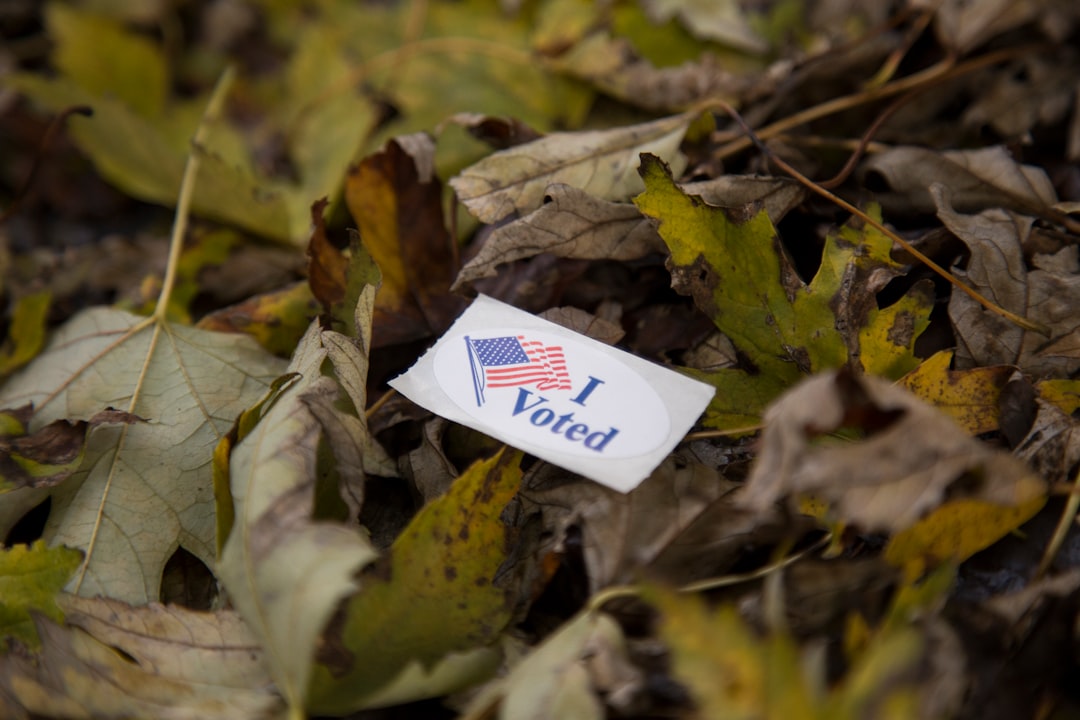
- Share your “I voted” sticker photo with a specific reason why
- Offer rides to polling places
Myth 6: Non-Voters Are Just Lazy
Structural barriers play a bigger role than indifference. In Texas, where polls close at 7 PM and early voting is limited, shift workers often can’t get time off. Over 14 million registered voters nationwide missed the 2020 election due to logistical hurdles like lack of childcare or long lines.
Myth 7: My Vote Doesn’t Count Anyway
Tell that to Virginia’s 2017 House of Delegates race, where a tie was decided by drawing names from a bowl. Or the 2000 U.S. presidential election, decided by 537 votes in Florida. Even in landslides, high turnout sends a mandate—like when Denver voters approved a 0.25% sales tax increase for mental health services by a 57% margin in 2018, securing $45 million annually.
Close Races Where Every Vote Mattered
- 2017 New Mexico special election: Winner by 0.2%
- 2022 Alaska House primary: Tie decided by coin flip
- 2019 Kentucky governor’s race: 5,000-vote difference
Now that we’ve debunked these myths about voter participation, here’s your challenge: Pick one action today. Text a friend to confirm they’re registered, sign up as a poll worker, or research down-ballot candidates. Democracy isn’t a spectator sport—it’s built by people who show up, even when myths say they shouldn’t.
Frequently Asked Questions
Not really. Research shows rain reduces turnout by less than 1% per inch, and snow has a slightly bigger impact at 2–5%. Committed voters find ways to get to the polls, as seen in Minnesota’s 2018 midterms, where freezing temperatures didn’t stop turnout from hitting a 60-year high.
Yes, voting by mail is extremely secure. Signature verification and barcodes keep fraud rates at about 0.00006%. Oregon, which has used mail-in voting since 1998, has prosecuted only 12 cases of fraud out of 100 million ballots.
Absolutely. Midterm elections decide local offices that directly impact daily life, like school boards, mayors, and state legislatures. For example, a 2022 Wisconsin school board race decided by 37 votes determined the future of critical race theory in classrooms.
While social media raises awareness, face-to-face conversations are 10 times more effective at getting people to vote. Personalized letters increased turnout by 5% in a Yale experiment, while digital ads had almost no impact.
Peer-to-peer outreach works best—texts from friends are more effective than generic ads. Clear explanations of how policies affect daily life and same-day registration options also help. DailyAdviceHub suggests focusing on relatable issues like student debt or climate policy.
No, structural barriers like limited early voting or long poll hours often prevent people from voting. In Texas, polls close at 7 PM, making it hard for shift workers to participate. Over 14 million registered voters missed the 2020 election due to logistical hurdles like childcare or long lines.