





You’ve just finished a long run. Your legs feel heavy, your muscles are screaming, and all you want to do is collapse on the couch. But before you do, take 10 minutes to stretch. It’s the difference between feeling great tomorrow and waking up stiff and sore.
- Why Stretching After a Run Matters
- The Best Post-Run Stretches
- 1. Hamstring Stretch
- 2. Quad Stretch
- 3. Calf Stretch
- 4. Hip Flexor Stretch
- 5. Glute Stretch
- 6. IT Band Stretch
- 7. Lower Back Stretch
- When to Stretch After a Run
- Common Mistakes to Avoid
- How Stretching Fits into Your Recovery Routine
- Frequently Asked Questions
Stretching after a run helps your muscles recover, improves flexibility, and reduces the risk of injury. Whether you’re a marathoner, a weekend jogger, or someone who’s just getting into running, these 7 stretches are your ticket to staying loose and limber.
Why Stretching After a Run Matters

When you run, your muscles contract repeatedly, which can leave them tight and shortened. Stretching helps return them to their natural length, improves blood flow, and flushes out lactic acid. Think of it as hitting the reset button for your body.
“Stretching after a run isn’t just about flexibility—it’s about giving your body the tools it needs to recover and perform better next time.”
Busy parents, students, or professionals often skip stretching because they’re short on time. But trust me, those 10 minutes will pay off. You’ll feel better, move better, and recover faster.
The Best Post-Run Stretches

Here’s a simple routine to follow after your next long run. Hold each stretch for 20–30 seconds, breathe deeply, and avoid bouncing. Let’s dive in.
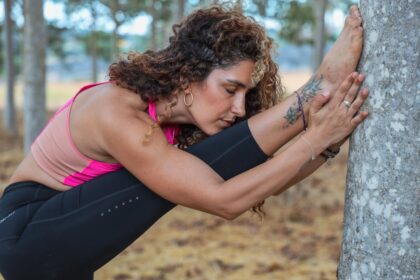
1. Hamstring Stretch
Your hamstrings work hard during a run, and they’re often the first to tighten up. To stretch them:
- Sit on the ground with one leg extended straight in front of you.
- Bend the other leg so your foot rests against your inner thigh.
- Reach forward toward your toes, keeping your back straight.
If you’re tight, use a towel or strap to gently pull your foot toward you.
2. Quad Stretch
Your quads are the powerhouse of your legs, and they need some love after a run. Here’s how to stretch them:
- Stand on one leg and grab the opposite ankle with your hand.
- Pull your heel toward your glutes, keeping your knees close together.
- Hold onto a wall or chair for balance if needed.
3. Calf Stretch
Tight calves can lead to Achilles pain or plantar fasciitis. This stretch helps prevent that:
- Stand facing a wall with one foot forward and one foot back.
- Press your back heel into the ground while leaning into the wall.
- Switch legs and repeat.
4. Hip Flexor Stretch
Your hip flexors can become tight from the repetitive motion of running. To loosen them:
- Kneel on one knee with the other foot flat on the ground in front of you.
- Push your hips forward until you feel a stretch in the front of your hip.
- Hold, then switch sides.
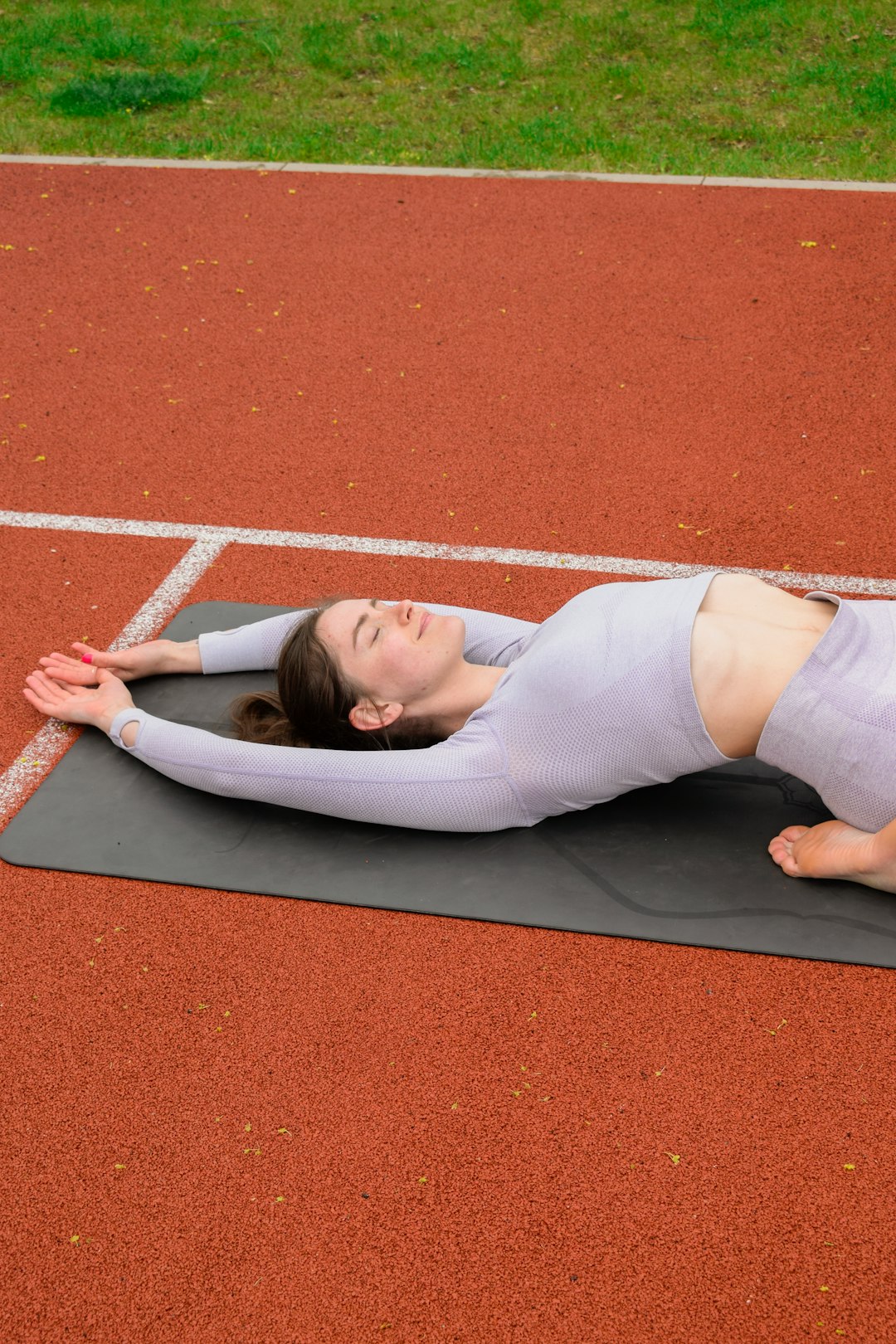
5. Glute Stretch
Your glutes are crucial for stability and power. Stretch them with this simple move:
- Lie on your back with both knees bent.
- Cross one ankle over the opposite knee.
- Pull the uncrossed leg toward your chest until you feel a stretch in your glutes.
6. IT Band Stretch
The IT band runs along the outside of your thigh and can cause knee pain if it’s tight. Try this stretch:
- Stand with one leg crossed behind the other.
- Lean to the side of your front leg until you feel a stretch along your outer thigh.
- Switch sides and repeat.
7. Lower Back Stretch
Running can tighten your lower back, especially if your form isn’t perfect. This stretch helps release tension:
- Sit on the ground with your legs extended.
- Twist your torso to one side, placing your opposite elbow on the outside of your knee.
- Hold, then switch sides.
When to Stretch After a Run
Timing matters. Stretch immediately after your run while your muscles are still warm. If you wait too long, your muscles will cool down and become less pliable, which increases the risk of injury.
For busy people, here’s a tip: multitask. Stretch while watching TV, chatting with a friend, or waiting for your coffee to brew. It’s a small habit that makes a big difference.
Common Mistakes to Avoid
Even experienced runners make stretching errors. Here’s what to watch out for:
- Bouncing: This can cause tiny tears in your muscles. Stretch gently and hold the position.
- Overstretching: You should feel tension, not pain. Pushing too hard can lead to injury.
- Skipping stretches: Don’t just focus on your legs. Your hips, back, and even shoulders need attention too.
How Stretching Fits into Your Recovery Routine
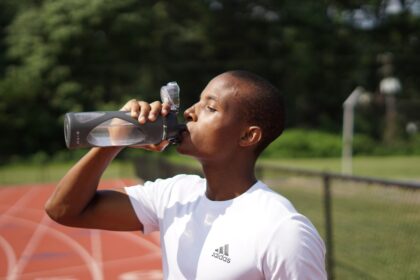
Stretching is just one piece of the recovery puzzle. Pair it with hydration, proper nutrition, and rest for the best results. For example, a student who runs between classes might stretch, drink water, and grab a protein-rich snack like yogurt or nuts.
Here’s a quick comparison of recovery strategies:
| Strategy | Benefit |
|---|---|
| Stretching | Improves flexibility and reduces tightness |
| Hydration | Replenishes fluids lost during the run |
| Nutrition | Provides energy and aids muscle repair |
| Rest |